

Handcrafted Honey Face Toner: Why Natural Beats Mass-Produced

Table of Contents
- What Makes Handcrafted Honey Face Toner Different
- The Benefits of Honey for Skin
- Handcrafted Skincare vs. Mass-Produced Alternatives
- Key Ingredients That Pair With Honey in Toners
- How to Choose a Natural Face Toner
- How to Incorporate Honey Toner Into Your Skincare Routine
- Common Reactions and Troubleshooting
- Conclusion
Last Updated: August 27, 2026
What Makes Handcrafted Honey Face Toner Different
Handcrafted honey face toner prioritizes ingredient integrity and purposeful formulation over shelf stability and profit margins. Small-batch artisan toners contain no filler, unnecessary preservatives, or compromised potency. Mass-manufactured toners rely on stabilizers, emulsifiers, and synthetic preservatives to ensure consistency across thousands of units, sacrificing efficacy in the process. A handcrafted honey face toner is formulated to work within weeks of creation, when active ingredients remain at peak potency. The honey itself, whether raw, manuka, or propolis-infused, retains its antimicrobial and humectant properties rather than being diluted or heat-processed.
At FAITH & RICH, we've built our reputation on this principle: luxury skincare shouldn't require compromise. Our handcrafted toners combine raw honey with complementary botanical extracts and skin-balancing ingredients, all measured to work synergistically. You're buying a solution engineered for real skin concerns, hyperpigmentation, uneven texture, sensitivity, dehydration, not a product designed to appeal to the broadest possible market.
The transparency matters too. When you purchase from a handcrafted brand, you can trace the sourcing of your honey, understand why each ingredient was chosen, and see the actual formulation rather than a vague "proprietary blend." This accountability doesn't exist in mass production, where ingredients are sourced based on cost and availability rather than quality and purpose.
The Benefits of Honey for Skin
Honey has been used in skincare for thousands of years, and modern dermatology confirms what practitioners have always known: this ingredient delivers measurable results across multiple skin concerns. Honey contains enzymes, amino acids, minerals, and compounds that address inflammation, bacterial overgrowth, and moisture loss simultaneously.
Antimicrobial and Anti-Inflammatory Properties
Honey's antimicrobial action comes from hydrogen peroxide naturally produced when the enzyme glucose oxidase reacts with glucose (peer-reviewed research). This creates a low-level, sustained antimicrobial effect without the harshness of synthetic antibacterials. For acne-prone skin, this means fewer breakouts and faster healing of existing lesions.
Raw honey contains polyphenols and flavonoids that reduce redness and calm irritated skin (peer-reviewed research). Many people with rosacea-prone or sensitive skin find that honey-based toners settle inflammation that other products aggravate. When you apply a handcrafted honey face toner with active honey content, you're introducing these compounds at a concentration that actually matters. Mass-produced versions often list honey far down the formula, making its presence more marketing than medicine.

pH Balancing and Hydration
Healthy skin maintains a slightly acidic pH around 4.5 to 5.5, protecting against bacterial overgrowth and maintaining the skin barrier (peer-reviewed research). Most tap water and cleansers push skin toward neutral or alkaline, disrupting this balance. A pH-balancing toner restores equilibrium, allowing optimal skin function.
Honey is a natural humectant that draws moisture from the air and binds it to the skin. Combined with other hydrating ingredients like glycerin or botanical extracts, honey creates a moisture-retention system that plumps skin, reduces fine lines, and improves elasticity. This hydration benefit is especially valuable for dehydration-related hyperpigmentation or uneven skin tone. The pH-balancing aspect of a handcrafted honey face toner also prepares your skin to receive subsequent products more effectively, meaning you get more value from your entire skincare routine.
Handcrafted Skincare vs. Mass-Produced Alternatives
The choice between handcrafted and mass-produced skincare comes down to philosophy: do you want a product designed to work for as many people as possible, or one designed to work exceptionally well for your specific skin?
Quality Control and Ingredient Integrity
Mass production requires standardization. Ingredients are sourced from the lowest-cost suppliers meeting minimum quality thresholds. Honey might come from industrial apiaries where bees are fed sugar water, or it might be processed with heat and filtration that strip away beneficial enzymes. Botanical extracts are often standardized concentrates chosen for stability rather than efficacy.
Handcrafted producers build relationships with suppliers, sourcing raw honey from vetted apiaries and prioritizing manuka honey or raw honey with visible pollen and propolis. They work with botanical extracts at concentrations that deliver results, even if that means shorter shelf life or batch-to-batch variation. This variation is actually a feature, if your handcrafted honey face toner varies slightly between batches, it's because the honey itself varies, confirming you're getting real ingredients, not synthetic approximations.
Quality control in handcrafted production means smaller batch sizes allow catching issues before they reach customers and adjusting formulations based on feedback.
Sustainability and Sourcing Ethics
Mass-produced skincare often relies on industrial agriculture and unsustainable sourcing. Handcrafted brands maintain closer relationships with suppliers and can speak to sourcing practices with specificity. At FAITH & RICH, our approach to sourcing reflects commitment to both efficacy and ethics. We prioritize suppliers who practice sustainable beekeeping and ethical botanical harvesting. Bees that are treated well produce better honey, and plants grown sustainably produce more potent extracts.
Key Ingredients That Pair With Honey in Toners
A truly effective handcrafted honey face toner combines honey with complementary ingredients that address specific skin concerns while enhancing honey's natural benefits.
Witch hazel provides astringent properties that refine pores and control sebum without over-drying. Combined with honey's hydration, you get pore refinement without the tight, uncomfortable feeling of harsh astringents.
Niacinamide (vitamin B3) strengthens the skin barrier and reduces inflammation while helping regulate sebum production and minimize pore appearance. For anyone dealing with acne or uneven texture, niacinamide and honey together create powerful clarifying and soothing effects.
Apple cider vinegar enhances pH-balancing and antimicrobial properties when properly diluted and combined with honey. The key is dilution, undiluted apple cider vinegar is too harsh and can damage the skin barrier.
Botanical extracts like rose water, chamomile, or green tea add antioxidant-rich compounds that support skin health. These are best sourced as whole-plant infusions rather than standardized concentrates.
Essential oils can enhance a toner's benefits when used sparingly and carefully. Lavender, chamomile, and ylang-ylang are common choices for their soothing properties, but they must be non-comedogenic and properly diluted.
How to Choose a Natural Face Toner
Selecting the right toner requires understanding your skin type, specific concerns, and what to look for in formulation.
Start by identifying your primary skin concern: acne and breakouts, hyperpigmentation, sensitivity and redness, or dehydration and loss of elasticity. The best toner addresses your specific issue rather than claiming to solve everything.
Next, examine the ingredient list. Real handcrafted toners have short, recognizable ingredient lists. Look for honey listed in the first three ingredients, indicating it's a primary active, not a minor addition for marketing purposes.
Patch Testing and Safety Protocols
Before committing to a full-size bottle, always patch test. Apply a small amount to a discreet area like the inside of your wrist or behind your ear, and wait 24-48 hours. If no redness, itching, burning, or irritation develops, it's likely safe for your face.
For sensitive skin, start with the smallest possible amount and introduce the toner gradually, two or three times per week for the first week, then increase frequency if your skin tolerates it well. This allows your skin barrier to adjust and reduces irritation risk.
Pay special attention if you're using other active ingredients like retinoids, vitamin C, or chemical exfoliants. A honey-based toner is generally gentle enough to layer with most products, but introduce it slowly when your routine already includes other actives.
Reading Labels for Authenticity
Authentic handcrafted toners are transparent about sourcing and processing. The label should specify:
- Where the honey comes from (specific region or country)
- Whether it's raw, pasteurized, or processed
- The type of honey (manuka, wildflower, raw, etc.)
- Complete ingredient list with no vague terms like "proprietary blend"
- Manufacturing date or batch number
- Shelf life and storage instructions
Avoid toners using terms like "honey extract" or "honey powder", these are processed forms lacking honey's full spectrum of benefits. Look for "raw honey," "whole honey," or specific types like "manuka honey." The label should also specify whether the toner is alcohol-free or contains minimal alcohol, as high alcohol content can over-dry skin and disrupt the skin barrier.
How to Incorporate Honey Toner Into Your Skincare Routine
Apply your handcrafted honey face toner immediately after cleansing, while your skin is still slightly damp. Damp skin helps the toner penetrate more effectively and allows honey's humectant properties to lock in moisture. Use a soft cotton pad or your fingertips to apply in upward, gentle motions, avoiding tugging or aggressive rubbing.
Wait 30-60 seconds for the toner to fully absorb before applying serums or moisturizers. If you're using other active ingredients like retinoids or vitamin C, apply those first while skin is clean and dry, wait 15-20 minutes for absorption, then apply your honey toner.
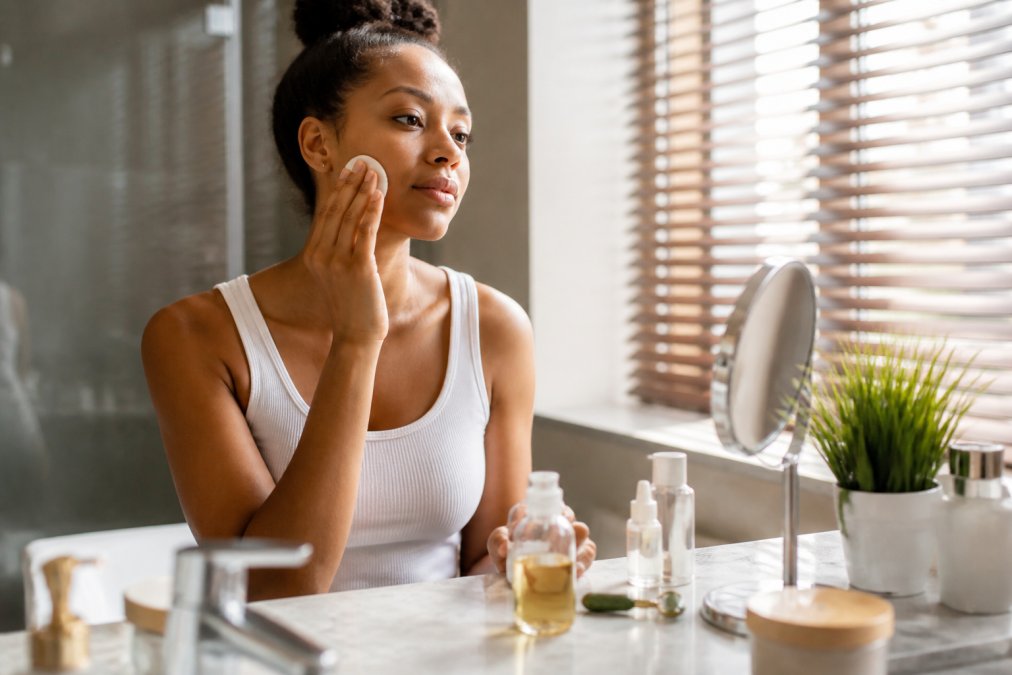
For best results, follow your toner with a hydrating serum or essence that complements honey's benefits. A serum containing hyaluronic acid or glycerin will amplify the humectant effect. For sensitive skin, start with the toner once daily in the evening, then gradually increase to twice daily if your skin tolerates it well.
Common Reactions and Troubleshooting
Mild tingling or slight warmth on first application is often normal, especially if the toner contains witch hazel or apple cider vinegar. This sensation typically subsides within a few minutes. If tingling persists beyond five minutes or intensifies, rinse the toner off immediately.
Temporary dryness during the first week sometimes occurs as the toner's pH-balancing action adjusts your skin's microbiome. This usually resolves within 3-5 days. If it persists, reduce application frequency to every other day or ensure you're following the toner with adequate hydration.
Breakouts or purging can happen when introducing any new skincare product. True purging typically lasts 1-2 weeks and results in clearer skin afterward. If breakouts worsen beyond two weeks, the product may not be right for your skin.
Redness or stinging indicates irritation and means you should stop use. Rinse your face thoroughly with cool water and allow your skin to recover before introducing new products.
Sensitivity to specific ingredients is common. If you react to a honey toner, identify which ingredient triggered the reaction by testing individual components. You might tolerate honey perfectly but react to witch hazel, or vice versa.
Inconsistent results between batches is actually a sign of authenticity in handcrafted products. Honey varies seasonally and by source, so slight variations in color, texture, or scent are normal. However, efficacy should remain consistent.
Choosing a handcrafted honey face toner means prioritizing ingredient quality and formulation integrity over mass-market convenience. Your skin deserves products engineered with purpose, not manufactured for profit. At FAITH & RICH, we create toners that combine raw honey with complementary botanicals to address real skin concerns, hyperpigmentation, blemishes, sensitivity, and uneven texture. Every batch is formulated to deliver results, backed by transparent sourcing and authentic craftsmanship. Explore our collection and discover why handcrafted skincare transforms not just how your skin looks, but how it feels.
Frequently Asked Questions
Q: What are the benefits of using honey in facial toners?
A: Honey acts as a natural humectant, drawing moisture into the skin and improving hydration. Its antimicrobial and anti-inflammatory properties help reduce blemishes and redness, making it effective for acne-prone and sensitive skin. Honey also contains antioxidants that support skin elasticity and can help fade hyperpigmentation and uneven skin tone over time with consistent use.
Q: How does handcrafted skincare differ from mass-produced toners?
A: Handcrafted toners prioritize ingredient integrity and quality control, using minimal processing and preservatives. Artisan-crafted formulas often feature higher concentrations of active ingredients like manuka honey and botanical extracts, while mass-produced options frequently rely on fillers and synthetic stabilizers. Handcrafted products also emphasize sustainability and ethical sourcing, supporting small-batch production methods that reduce environmental impact.
Q: Which type of honey is best for the face?
A: Manuka honey and raw honey are often considered effective for skincare. Manuka honey has antimicrobial and anti-inflammatory properties. Raw honey retains more enzymes and nutrients than processed varieties. Look for organic certification and minimal processing to ensure maximum efficacy.
Q: What should I look for when buying a handcrafted honey face toner?
A: Check for organic certification, minimal ingredient lists with recognizable botanicals, and alcohol-free formulations that won't strip your skin barrier. Verify that honey is listed as a primary ingredient, not a trace amount. Prioritize brands that disclose sourcing practices and offer clear guidance on how to incorporate the toner into your routine safely.
This article was written using GrandRanker


