

Why Handcrafted Skincare Is Better: Quality Over Mass Production

Table of Contents
- Why Handcrafted Skincare Delivers Superior Results
- Handmade vs. Factory-Made Skincare: What Sets Them Apart
- The Benefits of Small-Batch Skincare Production
- Clean Beauty Standards in Handcrafted Formulations
- Sustainability and Ethical Sourcing in Artisanal Skincare
- Shelf-Life, Stability, and Regulatory Safety Standards
- The Cost-Benefit Analysis: Investment vs. Results
- Conclusion
Last Updated: August 21, 2026
Why Handcrafted Skincare Delivers Superior Results
Handcrafted skincare represents a fundamental shift in how beauty products are formulated, produced, and delivered to your skin. Unlike mass-manufactured alternatives, handcrafted skincare prioritizes ingredient integrity, formulation control, and personalized attention at every stage. At FAITH & RICH, we understand that your skin deserves more than a one-size-fits-all solution manufactured months before it reaches your bathroom shelf.
The difference between handcrafted skincare and factory-made products goes far beyond marketing language. When products are made in small batches with careful attention to ingredient sourcing and formulation science, the results speak for themselves. Women who switch to handcrafted options frequently report visible improvements in skin clarity, texture, and overall radiance within weeks of consistent use.
This guide explores why handcrafted skincare delivers measurably better outcomes than mass-produced alternatives, covering everything from ingredient freshness to regulatory safety standards and the real cost-benefit analysis that determines whether premium pricing actually translates to superior results.
Handmade vs. Factory-Made Skincare: What Sets Them Apart
The distinction between handmade and factory-made skincare is not merely philosophical, it's rooted in production methodology, ingredient handling, and quality control practices that directly impact efficacy.
Control Over Formulation
Handcrafted skincare producers maintain complete control over every variable in the formulation process. When a small-batch maker decides to adjust ingredient ratios, source a different botanical extract, or modify pH balance, they can implement changes immediately without navigating corporate approval hierarchies or retooling massive manufacturing lines.
Factory-made skincare operates under rigid standardization requirements. Once a formula is locked into production, changing even a single ingredient percentage requires extensive documentation, regulatory review, and often a complete production run restart. This inflexibility means factory formulations are optimized for manufacturing efficiency and shelf stability rather than skin performance.
The practical implication: handcrafted producers can respond to seasonal ingredient variations, source premium-grade botanicals at peak potency, and continuously refine formulations based on real user feedback. Factory systems cannot.
Ingredient Sourcing and Transparency
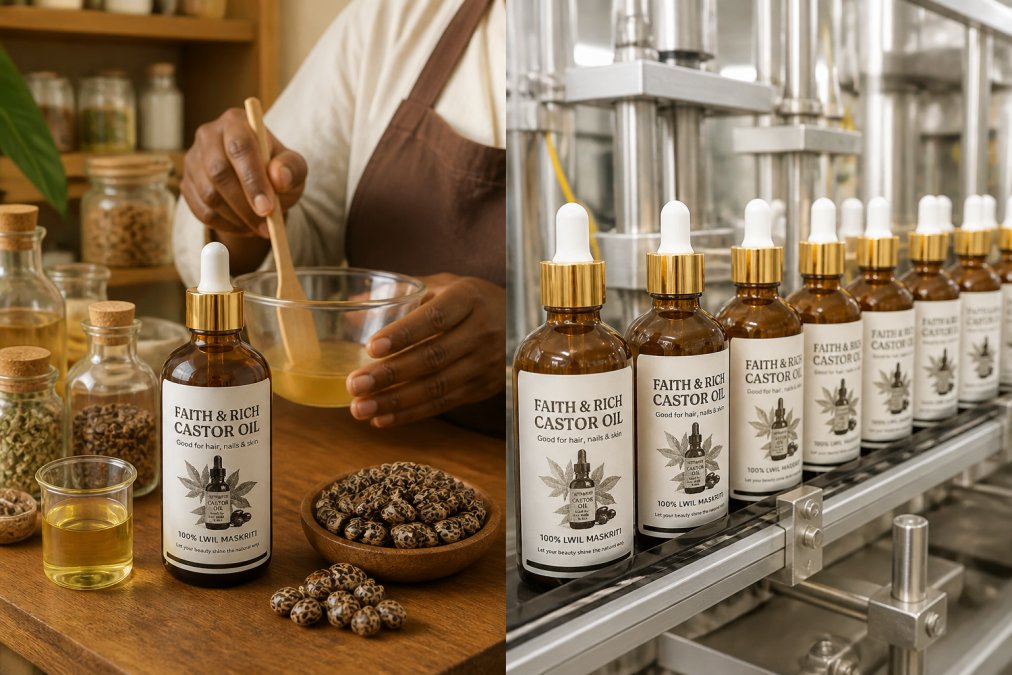
Handcrafted skincare makers typically work directly with ingredient suppliers, often developing relationships with specific farms, cold-press facilities, and botanical harvesters. This direct sourcing model creates accountability. When a small-batch producer sources turmeric extract or cold-pressed castor oil, they know exactly where it came from and how it was processed.
Factory suppliers operate through multiple distribution layers. A factory purchasing department buys bulk ingredients from commodity suppliers, who source from networks of producers. By the time an ingredient reaches the manufacturing floor, its origin story has been filtered through several intermediaries. Transparency diminishes with each layer.
According to FDA guidance on cosmetic ingredient safety, manufacturers must disclose ingredient sourcing and safety data, but factory systems often rely on supplier certifications rather than direct verification. Handcrafted producers typically verify sourcing personally, creating a direct chain of custody that factory systems simply cannot replicate at scale.
The real difference: when you purchase handcrafted skincare, you're often buying from someone who has personally selected and tested the ingredients in their formulation. Factory skincare comes from supply chains where accountability is diffused across multiple organizations.
The Benefits of Small-Batch Skincare Production
Small-batch production creates conditions where ingredient quality and formulation precision naturally flourish. This approach directly addresses the core frustration many women experience with conventional skincare: products that promise results but deliver inconsistency.
Freshness and Potency of Active Ingredients
The moment a skincare product is manufactured, its active ingredients begin a slow degradation process. This is not a flaw, it's chemistry. Vitamin C oxidizes, botanical extracts lose potency, and preservative systems begin their work of preventing microbial growth at the cost of some ingredient vitality.
Factory-made skincare is often manufactured 6-12 months before it reaches retail shelves (the FDA). During manufacturing, products sit in warehouses, travel through distribution networks, and wait on store shelves before purchase. By the time you apply a factory-made product to your skin, some of its most potent active ingredients have already lost measurable effectiveness.
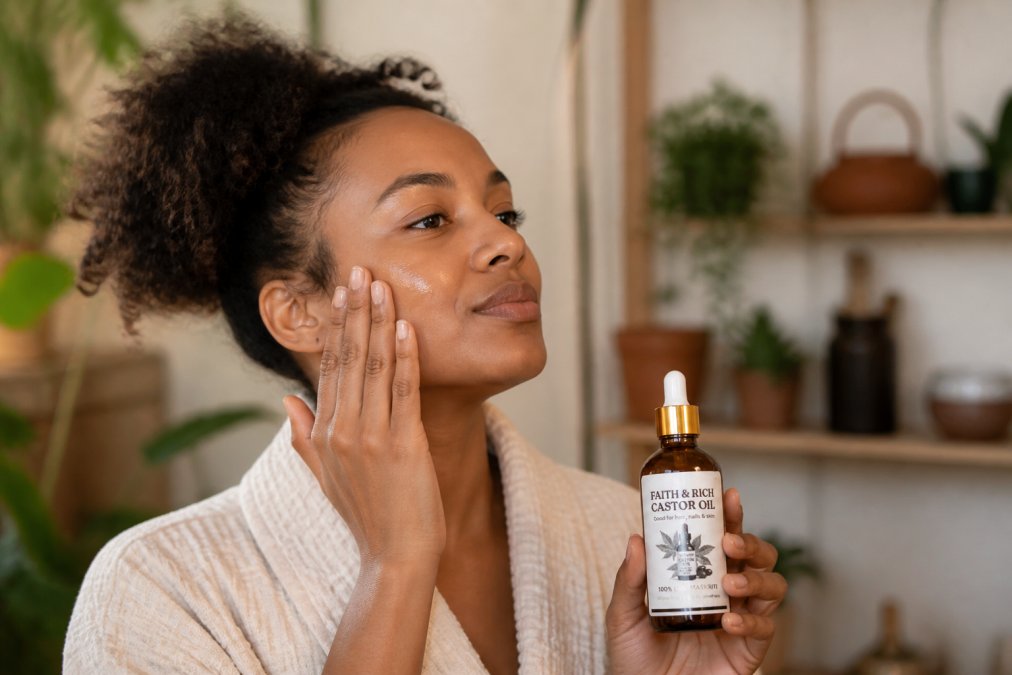
Small-batch handcrafted skincare is typically produced in quantities that sell within weeks or months. Your jar of FAITH & RICH toner or our Turmeric Face Cleanser was likely formulated and bottled far closer to your purchase date than any mass-produced alternative. This means higher active ingredient potency at the moment of application.

Consistency and Quality Assurance
A common objection to handcrafted skincare is the assumption that small-batch production creates inconsistency between batches. This misconception stems from conflating "handmade" with "uncontrolled."
Professional handcrafted skincare producers maintain meticulous batch documentation. Each production run records ingredient lot numbers, mixing temperatures, pH measurements, and shelf-life testing data. When you reorder a product you love, the formulation is identical to your previous purchase, not because of factory automation, but because of documented precision.
Factory systems achieve consistency through standardization and automation. Handcrafted systems achieve consistency through documentation and attention. The outcome is identical; the method differs. Many women find that handcrafted products actually feel more consistent because they're not reformulated quarterly to reduce manufacturing costs or accommodate supply chain disruptions.
Clean Beauty Standards in Handcrafted Formulations
Clean beauty has become a marketing buzzword, but handcrafted skincare producers define it through actual formulation choices rather than vague claims.
Avoiding Synthetic Preservatives and Harsh Chemicals
Handcrafted skincare makers face a genuine formulation challenge: preserving products safely without synthetic preservatives while maintaining stability and preventing microbial contamination. This is not simple chemistry. It requires understanding which botanical preservative systems actually work, how to layer them effectively, and when to accept shorter shelf-life as a trade-off for cleaner ingredients.
Many handcrafted producers use natural preservative systems like vitamin E, rosemary extract, and essential oils with antimicrobial properties. These work, but they require careful formulation and typically result in shorter shelf-life than synthetic alternatives. The producer must choose: shorter shelf-life with cleaner ingredients, or longer shelf-life with synthetic preservatives.
Factory skincare almost universally chooses synthetic preservatives because they're more cost-effective and enable the 18-24 month shelf-life that retail distribution requires. This is a business decision, not a technical limitation.
When you choose handcrafted skincare, you're often choosing products formulated without parabens, synthetic fragrance, or harsh chemical stabilizers. This matters if your skin is sensitive, prone to breakouts, or reactive to conventional skincare ingredients.
Customization for Your Skin Requirements
Your skin is unique. It has a specific pH balance, moisture barrier characteristics, and sensitivity profile that differs from every other person's skin. Yet factory skincare assumes all skin within a category (oily, dry, combination) is essentially identical.
Handcrafted producers can customize. If you have hyperpigmentation combined with sensitivity, a skilled handcrafted skincare maker can formulate a toner that addresses both concerns simultaneously. If your skin barrier is compromised, they can adjust ingredient ratios to prioritize barrier repair over active treatment.
This customization capacity is one of the most undervalued benefits of handcrafted skincare. Rather than buying three different products hoping one addresses your specific skin profile, you can work with a maker who understands your exact requirements and formulates accordingly.
FAITH & RICH's approach emphasizes this personalization. Our handcrafted skin toners and honey-based soaps are designed with specific skin concerns in mind, not generic skin types, but actual problems like uneven skin tone and blemish-prone complexions.

Sustainability and Ethical Sourcing in Artisanal Skincare
Sustainability in skincare involves multiple dimensions: ingredient sourcing practices, packaging choices, production waste, and supply chain ethics. Handcrafted producers typically perform better across these metrics, though not universally.
Small-batch producers source ingredients in quantities that match actual demand. This reduces waste from unsold inventory and allows for seasonal sourcing of peak-potency ingredients. Factory systems must forecast demand months in advance and maintain large ingredient reserves, often resulting in expired or degraded materials that cannot be used.
Ethical sourcing becomes personally meaningful in handcrafted systems. Many artisanal skincare makers have direct relationships with farms and botanical suppliers, enabling them to verify fair labor practices and sustainable harvesting methods. Factory supply chains, by contrast, often cannot trace ingredients back to specific farms or verify labor conditions.
Packaging in handcrafted skincare tends toward simplicity: glass jars, minimal labeling, and sustainable materials. Factory skincare requires complex packaging infrastructure to protect products during months of storage and shipping, resulting in more plastic, more padding, and more environmental footprint per unit.
The sustainability advantage of handcrafted skincare is real but requires verification. Not all small-batch producers prioritize environmental impact. Look for transparency about sourcing practices and packaging choices, genuine artisanal makers are typically eager to discuss these details.
Shelf-Life, Stability, and Regulatory Safety Standards
One legitimate concern about handcrafted skincare is shelf-life. Products without synthetic preservatives or chemical stabilizers naturally have shorter usable lifespans than factory alternatives.
How Handcrafted Products Maintain Potency
Handcrafted skincare maintains potency through multiple mechanisms. First, careful ingredient selection prioritizes naturally stable compounds. Oils high in antioxidants resist oxidation longer than refined alternatives. Botanical extracts formulated with natural preservative systems maintain efficacy longer than products relying on a single preservative.
Second, storage conditions matter. Handcrafted producers typically ship in dark glass or opaque containers that protect light-sensitive ingredients. They often include usage guidelines emphasizing cool, dry storage. These practices extend shelf-life significantly without synthetic additives.
Third, many handcrafted products are formulated with intention toward shorter shelf-life. Rather than viewing 24-month stability as a requirement, artisanal makers accept 6-12 month shelf-life as reasonable for products with higher active ingredient potency. You use the product more quickly, which ensures maximum efficacy.
The practical reality: handcrafted skincare typically remains potent and safe for 6-12 months with proper storage. Factory skincare remains stable for 18-24 months. For products you use consistently, this difference is negligible, you'll finish the jar within the potency window regardless.
Meeting FDA and Safety Requirements
Handcrafted skincare producers must meet the same FDA requirements as factory manufacturers. There is no separate regulatory pathway for small-batch skincare. All cosmetic products, regardless of production scale, must comply with the Federal Food, Drug, and Cosmetic Act and FDA cosmetic regulations.
This means handcrafted producers must:
- Document ingredient safety and sourcing
- Maintain facility cleanliness and quality control standards
- Test for microbial contamination and stability
- Properly label products with ingredient disclosure
- Report adverse events to the FDA
The misconception that handcrafted skincare operates outside regulatory oversight is false. Professional artisanal makers treat safety with the same rigor as factory systems, often with more personal accountability since they're directly associated with their brand.
Many handcrafted skincare producers voluntarily exceed FDA requirements, conducting additional stability testing and third-party safety verification. This higher standard reflects the personal investment artisanal makers have in their products and their customers' wellbeing.
The Cost-Benefit Analysis: Investment vs. Results
Handcrafted skincare costs more than drugstore alternatives. A jar of artisanal toner might cost $35-50, while a factory equivalent might cost $12-18. The question is whether the premium price translates to proportionally better results.
The honest answer is: sometimes yes, sometimes no. It depends on what you're comparing and what your skin actually needs.
For women with sensitive skin, hyperpigmentation, or complex skin concerns, handcrafted skincare often delivers results that justify premium pricing. Products formulated specifically for your skin profile outperform generic solutions. FAITH & RICH's Turmeric Face Cleanser ($24.99) and Castro Oil options ($9.99-19.99) are priced at the artisanal level but deliver targeted results for specific concerns, fighting blemishes, reducing signs of aging, and addressing uneven skin tone.

For women with straightforward skincare needs and resilient skin, the cost-benefit calculation is less clear. A simple, effective drugstore moisturizer might deliver adequate results at a fraction of the price.
The real cost-benefit consideration involves several factors:
Ingredient Quality: Handcrafted skincare typically uses higher-grade, fresher ingredients. This costs more but translates to measurable efficacy improvements.
Customization: If you're currently using three different products to address different skin concerns, switching to one customized handcrafted product might actually reduce total spending while improving results.
Longevity: Handcrafted products are often more potent, meaning you use less product per application. A jar that costs more upfront might last longer in actual use.
Efficacy Timeline: Handcrafted skincare designed for specific concerns often shows visible results within 4-8 weeks. Factory skincare frequently requires 8-12 weeks or longer, if results appear at all.
For women struggling with stubborn hyperpigmentation, blemish-prone skin, or uneven tone, the investment in handcrafted skincare often pays dividends within weeks. For women seeking general skincare maintenance, the premium may not be justified.
Choosing skincare is ultimately about matching the product to your actual skin needs and concerns. If you've struggled with drugstore products that promise results but deliver disappointment, handcrafted skincare offers a fundamentally different approach: products formulated with attention to ingredient quality, freshness, and your specific skin profile.
FAITH & RICH's handcrafted skincare line, from our Turmeric Face Cleanser to our honey-based soaps and artisanal toners, is designed specifically for women seeking to address hyperpigmentation, uneven skin tone, and blemishes with products that enhance natural beauty while delivering measurable results. Explore our handcrafted collection and discover skincare that treats your skin as unique rather than generic.
Frequently Asked Questions
How does handcrafted skincare differ from mass-produced beauty products?
Handcrafted skincare is made in small batches with direct control over every ingredient and formulation step, whereas mass-produced products prioritize consistency and cost efficiency over customization. Artisanal brands can adjust formulations for specific skin concerns, source premium natural ingredients, and avoid synthetic preservatives that factory-made products often require for extended shelf-life. This hands-on approach means fresher, more potent active ingredients reach your skin with minimal degradation.
What are the primary benefits of using small-batch skincare?
Small-batch skincare offers superior freshness since products are made in smaller quantities and used sooner, preserving ingredient potency. You get customization options tailored to your skin type and concerns, transparency about sourcing and formulation, and typically fewer synthetic additives. Small-batch producers can also respond quickly to feedback and adjust recipes, ensuring you receive products optimized for real results rather than mass-market appeal.
Is handcrafted skincare safer for sensitive skin?
Handcrafted skincare can be safer for sensitive skin because artisanal makers often eliminate harsh synthetic preservatives, fillers, and irritating chemicals found in mass-produced formulas. However, safety depends on the specific ingredients used. Natural doesn't automatically mean gentle, some botanical extracts can trigger reactions. Look for brands that disclose full ingredient lists, conduct patch testing, and offer customization so you can avoid known irritants.
Does expensive handcrafted skincare actually deliver better results than drugstore brands?
Handcrafted skincare typically delivers better results for targeted concerns like hyperpigmentation and uneven skin tone because artisanal makers invest in premium, bioavailable ingredients and optimize formulations for efficacy rather than profit margins. Freshness matters too, small-batch products have shorter shelf-lives, meaning active ingredients remain potent. While price reflects quality ingredients and small-scale production, the real difference is measurable improvement in skin clarity, tone, and texture over time when you choose formulations matched to your specific needs.
This article was written using GrandRanker


