

Honey-Based Skincare for Sensitive Skin: A Complete Guide

Table of Contents
- Why Honey-Based Skincare Works for Sensitive Skin
- How Honey Helps with Acne and Inflammation
- The Science Behind Honey's Antioxidant and Antibacterial Properties
- Manuka Honey for Face: Why This Type Stands Apart
- How to Patch Test Skincare Products Safely
- Building Your Honey-Based Skincare Routine
- Sustainable and Ethical Sourcing: What to Look For
- Conclusion
Last Updated: August 25, 2026
Why Honey-Based Skincare Works for Sensitive Skin
Sensitive skin doesn't need complicated formulas, it needs ingredients that calm without irritating. Honey-based skincare for sensitive skin has gained traction precisely because honey addresses the core issues that trigger reactions: inflammation, compromised moisture barriers, and bacterial overgrowth. At FAITH & RICH, we offer high-quality, innovative products designed to enhance natural beauty and fight blemishes.
The reason honey works so effectively comes down to its dual nature. Honey is both a humectant and an antimicrobial agent, meaning it pulls moisture into the skin while simultaneously protecting against bacteria that worsen inflammation. For sensitive skin specifically, this combination matters because you're not adding harsh actives or synthetic preservatives, you're working with a naturally soothing ingredient that your skin recognizes.
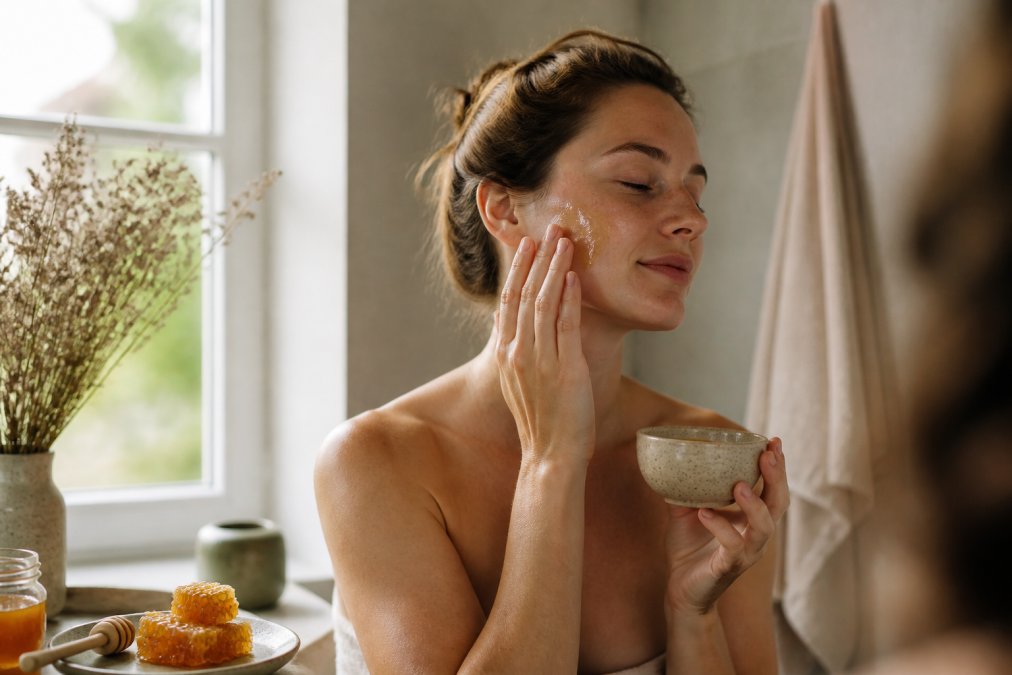
What makes honey particularly valuable for sensitive complexions is that it doesn't disrupt your skin barrier. Many active ingredients strip away the protective lipid layer, leaving skin more vulnerable to irritation. Honey, by contrast, supports barrier resilience through its phytochemicals and natural enzymes. This means your skin can tolerate the product and actually improve over time rather than becoming more reactive.
The soothing properties of honey also address the inflammation that sits beneath sensitive skin issues. Whether your sensitivity shows up as redness, tenderness, or general reactivity, honey's anti-inflammatory compounds work to calm the underlying irritation. This is why many dermatology-minded skincare lines now include honey as a core ingredient rather than a marketing afterthought.
How Honey Helps with Acne and Inflammation
Acne-prone sensitive skin presents a particular challenge: you need something strong enough to address breakouts but gentle enough not to trigger more inflammation. Honey-based skincare for sensitive skin solves this by attacking acne through antibacterial action rather than harsh chemical exfoliation or drying actives.
Honey's antibacterial properties come from its hydrogen peroxide content and its ability to maintain a low pH that bacteria struggle to survive in (peer-reviewed research). This means honey can reduce the bacteria that cause acne without the irritation of benzoyl peroxide or salicylic acid. For sensitive skin, this distinction is critical, you get acne reduction without the redness, peeling, and sensitization that come with conventional acne treatments.
The anti-inflammatory angle matters equally. Acne isn't just bacteria; it's an inflammatory response. When you treat only the bacteria and ignore the inflammation, your skin stays red and irritated even as the breakouts clear. Honey addresses both simultaneously, which is why people with sensitive, acne-prone skin often see improvement faster with honey products than with traditional acne treatments.
Many people worry that honey-based products are too gentle for real acne problems. That concern usually comes from experience with stronger actives. But the data tells a different story: honey delivers measurable acne reduction without the sensitization that makes skin more reactive long-term. You're not choosing between clear skin and calm skin, you're getting both.
The Science Behind Honey's Antioxidant and Antibacterial Properties
Honey contains a complex array of phytochemicals that deliver both antioxidant and antibacterial benefits. These aren't marketing claims, they're measurable properties that show up consistently in how honey interacts with skin.
The antioxidant activity comes primarily from flavonoids and phenolic acids naturally present in honey (peer-reviewed research). These compounds neutralize free radicals that damage skin cells and accelerate aging. For sensitive skin, this matters because oxidative stress is a driver of inflammation and barrier dysfunction. By providing antioxidant protection, honey-based skincare reduces one of the underlying causes of sensitivity itself.
The antibacterial mechanism operates through multiple pathways. Hydrogen peroxide, produced when honey contacts skin enzymes, creates an environment hostile to acne-causing bacteria. Simultaneously, honey's low pH and osmotic properties inhibit bacterial growth. This multi-mechanism approach is why bacteria don't develop resistance to honey the way they do to single-action antibiotics.
What separates effective honey skincare from ineffective formulations is enzyme activity. Raw or minimally processed honey retains the enzymes that generate hydrogen peroxide and deliver the full spectrum of benefits. Heavily processed or heat-treated honey loses much of this activity. This is why sourcing and formulation matter, not all honey in skincare is equivalent.
The healing properties of honey also extend to how it supports dermal health at a cellular level. Honey stimulates collagen production and promotes the growth of new skin cells, which is why it's been used in wound care and dermatological settings for decades. For sensitive skin, this translates to faster recovery from irritation and improved resilience over time.
Manuka Honey for Face: Why This Type Stands Apart
Not all honey is created equal, and manuka honey represents the premium tier for facial skincare. Manuka honey comes from bees that pollinate the manuka bush, native to specific regions, and it contains a unique compound called methylglyoxal (MGO) in concentrations far higher than regular honey.
This MGO content is what makes manuka honey for face applications distinct. While regular honey might contain trace amounts of MGO, manuka honey can contain 100 to 700+ times more (peer-reviewed research). This higher concentration delivers stronger antibacterial and anti-inflammatory effects, making manuka honey particularly effective for acne-prone sensitive skin that needs more intensive support.
The UMF (Unique Manuka Factor) rating on manuka honey products tells you the strength of the antibacterial activity. Higher UMF ratings indicate more potent antimicrobial power. For facial applications, UMF 10+ is considered therapeutic, while UMF 20+ is reserved for more intensive treatment. Understanding this rating helps you choose the right manuka honey for face care based on your specific skin needs.
Many dermatologists recommend manuka honey for sensitive skin specifically because it delivers results without the irritation of conventional acne treatments. The higher efficacy means you can use less product to achieve the same effect, which reduces the risk of over-treating delicate skin. This makes manuka honey for face use a smart choice for anyone with sensitivity combined with acne concerns.
The trade-off is that authentic manuka honey costs more than regular honey products. This isn't arbitrary pricing, it reflects the rarity of manuka honey and the higher concentration of active compounds. When shopping for honey-based skincare for sensitive skin, manuka honey products represent the premium option for maximum efficacy.
How to Patch Test Skincare Products Safely
Patch testing is non-negotiable for sensitive skin, yet many people skip it or do it incorrectly. The goal is to identify a potential reaction before applying a product to your entire face. Done properly, patch testing takes just a few minutes and can save you from days of irritation.
Start by choosing a small, discreet area of skin, the inner arm behind the elbow, the area behind your ear, or the inside of your wrist all work well. These areas have thinner, more reactive skin than your face, so if a reaction will happen, it will show up here first. Clean the area gently and apply a small amount of the product you're testing.
Wait 24 hours before assessing the results. This timeframe allows for both immediate and delayed reactions to surface. During that 24 hours, avoid touching the test area, getting it wet unnecessarily, or applying other products. If no redness, itching, burning, or other irritation appears after 24 hours, the product is likely safe for your face. If any reaction occurs, wash the area immediately and avoid the product.
For products you're particularly cautious about, consider a two-week patch test before full integration into your routine. Apply the product to the test area daily for two weeks, observing for cumulative reactions. This extended timeline catches sensitivities that might not show up in a single 24-hour test. It's a more thorough approach, especially valuable if you've had bad reactions to skincare in the past.
Even after a successful patch test, introduce the product to your face gradually. Apply it to a small area first, perhaps just your cheeks or forehead, before incorporating it into your full routine. This staged approach gives your skin time to adjust and helps you identify any reactions specific to facial skin versus test-area skin.
Building Your Honey-Based Skincare Routine
A honey-based skincare routine for sensitive skin should follow a simple structure: cleanse, tone, treat, moisturize. This progression allows each product to work effectively without overwhelming your skin barrier.
Start with a gentle cleanser that removes impurities without stripping moisture. Your cleanser sets the foundation, if it's too harsh, everything that follows will be fighting an uphill battle. Look for cleansers labeled for sensitive skin or those formulated with honey as a primary ingredient. The goal is clean skin that doesn't feel tight or dry after cleansing.
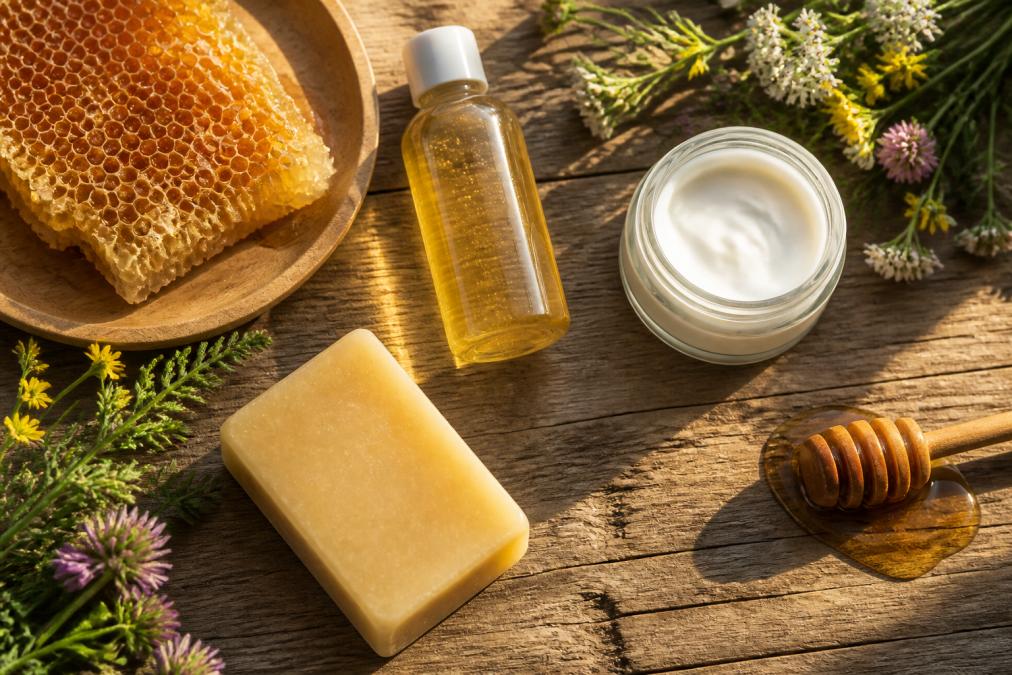
The toning step is where many people see dramatic improvement. A honey-based toner delivers hydration and prepares your skin to absorb subsequent products more effectively. Toners also help balance pH after cleansing, which is important for maintaining your skin barrier's integrity. Apply toner with a clean cotton pad or by patting gently with your hands, avoid rubbing, which can irritate sensitive skin.
Treatment products come next. This might be a honey-based serum, essence, or targeted treatment for specific concerns like acne or hyperpigmentation. At FAITH & RICH, our handcrafted honey-based toners serve this role effectively, providing concentrated benefits without unnecessary additives. Use treatment products sparingly, sensitive skin doesn't need heavy layering. One or two treatment products maximum is the rule.
Moisturize last to seal in the hydration from your previous steps. A good moisturizer for sensitive skin should be lightweight enough not to clog pores but substantial enough to lock in moisture. Honey-based moisturizers work particularly well here because they provide hydration without the heavy feel of traditional creams.
The frequency of this routine should be twice daily, morning and night. However, if your skin is particularly reactive, start with just evening applications until your skin acclimates. You can always add the morning routine once you're confident your skin tolerates the products.
Sustainable and Ethical Sourcing: What to Look For
The honey in your skincare should be sourced responsibly. This means understanding where it comes from, how it's harvested, and what practices the producer follows. Sustainable honey sourcing protects both bee populations and the quality of the honey itself.
Look for certifications that indicate responsible sourcing. Cruelty-free and fair-trade certifications provide some assurance, though they vary in rigor. The most reliable indicator is often transparency, companies that openly discuss their sourcing practices and supplier relationships are more likely to be genuinely committed to sustainability.
Raw honey retains more of its beneficial enzymes and phytochemicals than heavily processed honey. When shopping for honey-based skincare, prioritize products made with raw or minimally processed honey. The labeling should clearly indicate the processing level. Avoid products that list honey far down the ingredient list, as this suggests honey is present more for marketing than for actual benefit.
Consider the environmental impact of honey sourcing. Responsible beekeeping practices support pollinator populations and maintain healthy ecosystems. Brands that source from apiaries using sustainable practices contribute to environmental resilience while ensuring their honey is of higher quality. This isn't just ethical, it's practical, because better-sourced honey delivers better skincare results.
Many consumers assume all honey-based skincare products contain substantial honey. In reality, some formulations contain only trace amounts. Reading ingredient lists carefully and prioritizing products where honey appears in the first few ingredients ensures you're getting meaningful honey content. This is where handcrafted brands like FAITH & RICH, which focus on honey as a core ingredient rather than a secondary additive, make a measurable difference.
Sensitive skin deserves skincare that works with your skin's needs rather than against them. Honey-based skincare for sensitive skin provides proven benefits, antibacterial action, anti-inflammatory support, and moisture retention, without the irritation of harsher alternatives. The key is choosing products formulated specifically for sensitive skin, patch testing before full integration, and building a routine that respects your skin's unique requirements. FAITH & RICH's handcrafted honey-based toners and soaps are designed with this philosophy in mind, combining the proven benefits of honey with a commitment to quality and sustainability. EXPLORE our collection to find the honey-based products that work for your skin.
Frequently Asked Questions
Q: Can you use honey on sensitive skin?
A: Yes, honey is generally safe for sensitive skin when used correctly. Its antibacterial, anti-inflammatory, and humectant properties make it soothing rather than irritating. Raw honey and manuka honey are especially beneficial for sensitive complexions. Always patch test first on a small area, wait 24 hours to check for reactions, and introduce honey-based products gradually into your routine to ensure your skin tolerates them well.
Q: Does honey help with acne?
A: Honey is effective for acne-prone skin because of its antibacterial and anti-inflammatory properties. It helps reduce bacteria that cause breakouts while soothing inflammation and redness. Manuka honey is particularly potent due to its high enzyme activity. For best results, use honey-based skincare consistently and combine with other acne-fighting ingredients. Patch test first, especially if your skin is sensitive or currently inflamed.
Q: What type of honey is best for skin care?
A: Manuka honey and raw honey are the top choices for skincare. Manuka honey, sourced from New Zealand, has superior antibacterial and healing properties due to its unique enzyme profile. Raw honey retains more phytochemicals and antioxidants compared to processed varieties. Look for products labeled with UMF (Unique Manuka Factor) ratings for manuka honey, and choose raw, unheated honey when possible. Both types support skin hydration, barrier resilience, and complexion clarity.
Q: How do I know if honey-based skincare is right for my sensitive skin?
A: Start with a patch test on a small, inconspicuous area like behind your ear or inside your wrist. Apply a small amount, wait 24 hours, and watch for redness, itching, or irritation. If no reaction occurs, introduce the product into your routine slowly, using it 2-3 times per week initially. Most women with sensitive skin tolerate honey well, but individual reactions vary. If irritation develops, discontinue use and consult a dermatologist.
This article was written using GrandRanker


