

Honey for Aging: Science-Backed Benefits & How to Use

Table of Contents
- Why Honey Works for Aging Skin and Health
- Honey Skincare Benefits: Antioxidants and Cellular Repair
- Does Honey Help With Acne and Inflammation
- Honey for Cognitive Health and Brain Function
- How to Use Honey for Face Masks and Topical Application
- Dosage, Quality, and Medication Interactions for Seniors
- Blood Sugar Management and Metabolic Health
- Wound Healing and Sleep Quality in Aging
Last Updated: August 30, 2026
Why Honey Works for Aging Skin and Health
Honey has been used in skincare for thousands of years, and modern research validates its anti-aging properties. It contains bioactive compounds that address the primary drivers of visible aging: oxidative stress, inflammation, and cellular damage. Honey directly counteracts these mechanisms through its antioxidant and anti-inflammatory properties.
At FAITH & RICH, we've built our honey-based skincare line around this principle. Our handcrafted formulations use honey's natural capacity to penetrate skin and deliver results. The difference between honey-based skincare and generic moisturizers comes down to what happens at the cellular level, most products sit on the surface; honey works deeper.
Honey Skincare Benefits: Antioxidants and Cellular Repair
Honey contains over 180 bioactive compounds, including polyphenols and flavonoids that function as powerful antioxidants (the NIH). These compounds neutralize free radicals, unstable molecules that damage skin cells and accelerate aging. When skin is exposed to UV radiation, pollution, and stress, free radical production increases dramatically. Antioxidants prevent this oxidative stress from degrading collagen and elastin, the proteins responsible for skin firmness and elasticity.
Regular use creates a cumulative effect: your skin becomes more resilient, recovers faster from environmental damage, and maintains a more youthful appearance over time.
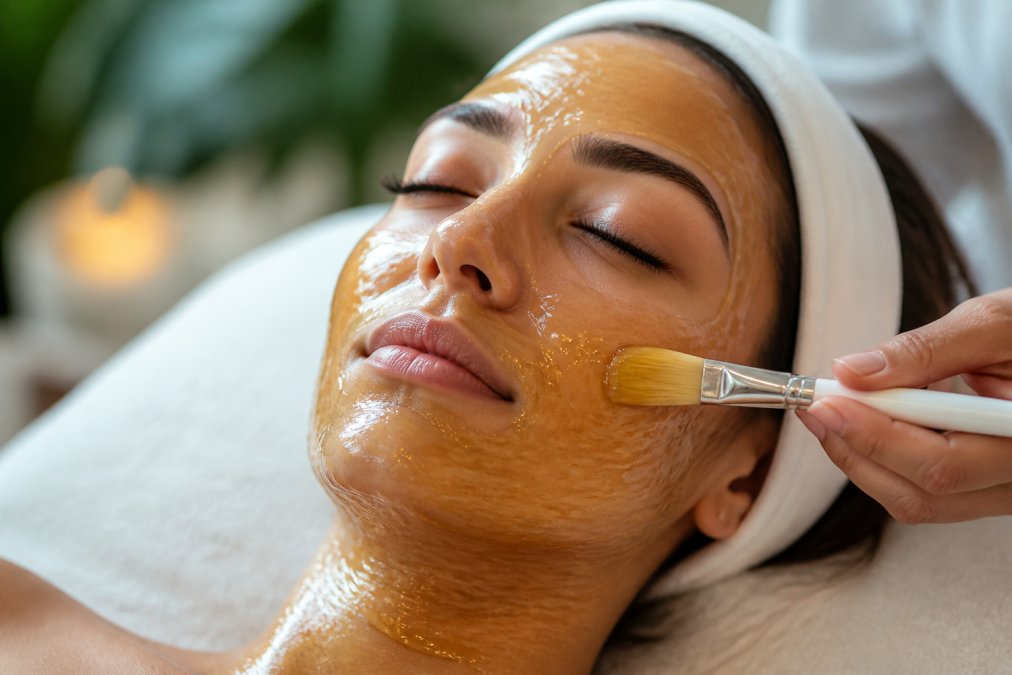
Oxidative Stress and Free Radical Damage
Oxidative stress occurs when free radicals outnumber the antioxidants your skin can produce naturally. This imbalance accelerates senescence, the process by which skin cells lose their ability to regenerate, resulting in fine lines, loss of elasticity, and dull complexion.
Honey's antioxidant compounds work by donating electrons to free radicals, neutralizing them before they can damage cell membranes or DNA. This is particularly important for aging skin, which produces fewer antioxidants internally. By applying honey-based products topically, you supplement your skin's natural defense system, reducing inflammation, improving cellular turnover, and strengthening barrier function.
Collagen Synthesis and Skin Elasticity
Collagen production declines by approximately 1% per year after age 25 (peer-reviewed research). By age 40, most people have lost 20% of their collagen stores, causing sagging and deepened wrinkles.
Honey supports collagen synthesis through multiple pathways. Its polyphenols stimulate fibroblasts, the cells responsible for producing collagen. Additionally, honey's anti-inflammatory properties reduce inflammatory signals that inhibit collagen production. When inflammation is high, your skin prioritizes healing damaged tissue over building new collagen. Reducing inflammation removes this barrier.
:::pro The best results come from combining topical honey-based products with internal support. Consistent sleep, hydration, and sun protection amplify honey's collagen-boosting effects by reducing the inflammatory load your skin must manage. :::
Does Honey Help With Acne and Inflammation
Acne and inflammation often accelerate visible aging. Chronic inflammation creates a hostile environment for collagen synthesis and triggers hyperpigmentation. Honey's anti-inflammatory properties make it particularly valuable for aging skin prone to breakouts or rosacea.
Honey contains hydrogen peroxide and gluconic acid, which have mild antimicrobial properties that inhibit bacterial growth without the harshness of conventional acne treatments. For older adults with sensitive skin, this gentle approach is often more effective than stronger actives that trigger irritation and barrier damage.
Honey for Cognitive Health and Brain Function
The connection between skin health and cognitive health is linked through oxidative stress and inflammation. The polyphenols in honey cross the blood-brain barrier and protect neural tissue from free radical damage (peer-reviewed research). Research reveals that regular consumption supports memory, attention, and processing speed by reducing neuroinflammation, a primary driver of age-related cognitive decline. Additionally, honey improves blood glucose regulation, which is critical for brain function.
For aging adults, incorporating honey into your daily routine addresses cognitive health alongside visible aging.
How to Use Honey for Face Masks and Topical Application
Honey for aging works best when applied topically as part of a consistent skincare ritual. The most effective delivery method is a face mask, which allows honey to penetrate skin and remain in contact long enough for its compounds to be absorbed.
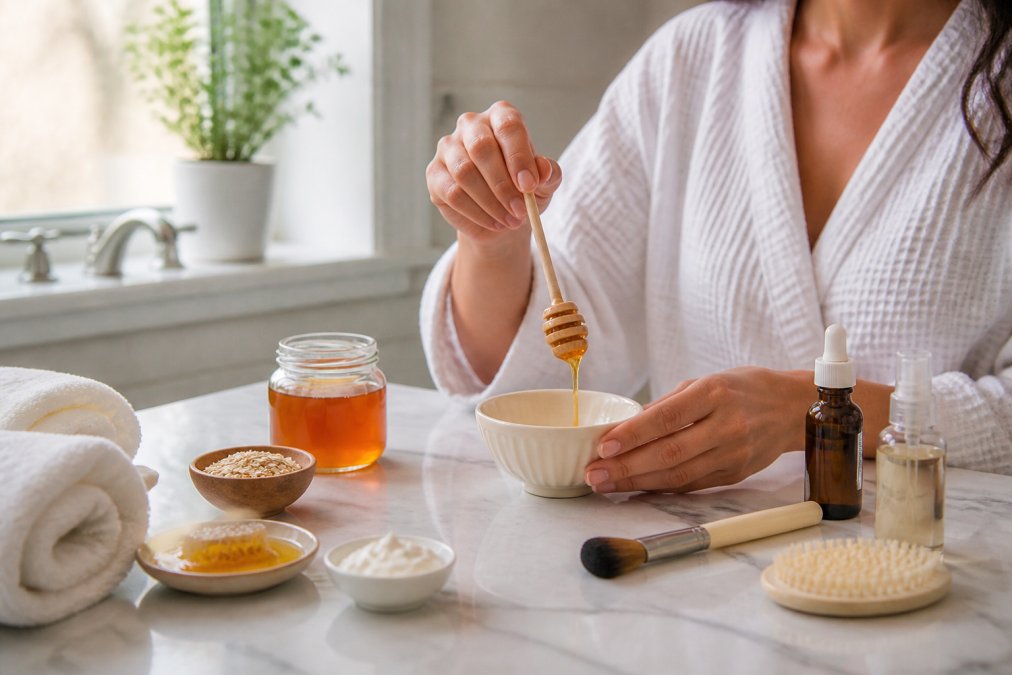
DIY Honey Mask Recipes for Aging Skin
Simple Honey Mask:
- 1 tablespoon raw honey
- Apply directly to clean, damp skin
- Leave on for 15-20 minutes
- Rinse with lukewarm water
- Use 2-3 times per week
Honey + Turmeric Mask (for inflammation and hyperpigmentation):
- 1 tablespoon raw honey
- 1/4 teaspoon turmeric powder
- 1 teaspoon plain yogurt
- Mix until smooth, apply to face, leave 15 minutes, rinse
Honey + Oat Mask (for sensitive, reactive skin):
- 1 tablespoon raw honey
- 2 tablespoons colloidal oatmeal
- 1 teaspoon aloe vera gel
- Mix and apply for 15 minutes
Apply masks to clean skin, avoiding the eye area. Frequency depends on your skin type: dry skin benefits from 3 times weekly, normal skin 2 times weekly, and oily or acne-prone skin 1-2 times weekly.
Professional Honey-Based Skincare Products
Professional formulations offer advantages over DIY masks. They contain stabilized honey extracts that remain potent longer and are combined with complementary ingredients that enhance absorption and efficacy.
FAITH & RICH's Collagen & Snail Essence Face Serum ($24.99) combines honey with collagen and snail secretion filtrate, a proven ingredient for supporting skin elasticity and hydration. Apply morning and evening after cleansing for optimal results.

The Collagen & Snail Skincare Set-Complete Face & Body Kit ($119.99) provides a complete 6-piece routine designed to work synergistically, addressing oxidative stress, inflammation, and collagen loss simultaneously.
The Collagen & Snail Body Lotion ($29.99) extends honey's anti-aging benefits beyond the face, helping maintain skin elasticity across your entire body.
Dosage, Quality, and Medication Interactions for Seniors
Honey for aging is generally safe for older adults, but dosage and quality matter significantly. Additionally, honey can interact with certain medications commonly used by seniors.
Raw vs. Pasteurized vs. Manuka Honey
Raw Honey: Unheated and unfiltered, raw honey retains all its enzymes, polyphenols, and bioactive compounds. It's the most potent form for anti-aging purposes. For topical application on aging skin, raw honey is ideal.
Pasteurized Honey: Heat-treated to eliminate bacteria and extend shelf life, pasteurized honey loses some bioactive compounds and enzymatic activity. For skincare purposes, it's less effective than raw honey, though still beneficial.
Manuka Honey: Produced exclusively from the Manuka bush in New Zealand, this honey contains methylglyoxal (MGO), a compound with exceptional antimicrobial and anti-inflammatory properties. Graded by UMF (Unique Manuka Factor) rating; UMF 10+ is therapeutic grade. For aging skin with acne or inflammation, Manuka honey is most effective, though more expensive.
For topical skincare, raw honey offers the best value. For internal consumption, Manuka honey provides superior anti-inflammatory effects.
Safe Dosage and Frequency for Older Adults
Topical application of honey is safe for all ages and skin types. Apply honey masks 1-3 times weekly depending on skin type and tolerance. If you have sensitive skin, start with once weekly and increase gradually.
Internal consumption should be limited for older adults with diabetes or blood glucose regulation concerns. A safe starting dose is 1 teaspoon daily, taken with food to minimize blood sugar impact.
Interactions With Common Age-Related Medications
Honey can interact with several medications commonly used by seniors:
Blood Thinners (Warfarin, Apixaban): Honey has mild anticoagulant properties. Consult your healthcare provider before consuming honey internally. Topical application is safe.
Blood Pressure Medications: Honey may have modest blood pressure-lowering effects. Monitor your blood pressure if you begin consuming honey regularly.
Diabetes Medications: Honey raises blood glucose. Monitor glucose levels carefully if consuming honey internally.
Cough Suppressants: Honey is itself a cough suppressant and may reduce the effectiveness of certain cough medications if taken simultaneously.
Discuss honey consumption with your healthcare provider before starting, especially if you're on multiple medications.
Blood Sugar Management and Metabolic Health
While honey contains glucose and fructose, it has a lower glycemic index than table sugar, raising blood glucose more gradually. This slower response is crucial for aging adults, where metabolic health directly impacts aging speed.
Stable blood glucose reduces inflammation, supports cognitive function, and improves skin health. Chronically elevated blood glucose accelerates glycation, a process where glucose binds to proteins like collagen, damaging them and accelerating aging. A teaspoon of honey daily provides metabolic benefits without spiking blood glucose.
For aging adults focused on metabolic health, honey is a better sweetener choice than refined sugar or high-fructose corn syrup, though portion control remains essential.
Wound Healing and Sleep Quality in Aging
Honey accelerates wound healing through multiple mechanisms: it reduces inflammation, stimulates immune response, and creates a moist environment that promotes tissue regeneration. For older adults, this is particularly valuable because healing naturally slows with age. Topical application of honey to minor cuts, scrapes, or age spots supports faster healing and reduces scarring.
Sleep quality declines with age, and poor sleep accelerates aging through increased cortisol, impaired cellular repair, and increased inflammation. Honey supports sleep through its effect on serotonin and melatonin production. A small amount of honey before bed, about 1 teaspoon, can improve sleep quality without causing significant blood glucose disruption.
The most effective approach to honey for aging combines quality topical products with informed internal use and attention to medication interactions. FAITH & RICH's handcrafted honey-based skincare products are designed specifically for aging skin, with formulations that enhance honey's natural anti-aging properties through complementary ingredients like collagen and snail secretion filtrate. Start with our Collagen & Snail Essence Face Serum to experience how professional honey-based formulations deliver faster, more consistent results than DIY masks alone. Explore our complete collection and discover why women seeking to reduce signs of aging are choosing FAITH & RICH for their skincare ritual.

Frequently Asked Questions
Q: What happens if I rub honey on my face every day?
A: Daily honey application can hydrate skin, reduce inflammation, and support collagen production over time. However, frequency depends on your skin type. Sensitive or acne-prone skin may benefit from 2-3 times per week to avoid irritation, while dry skin tolerates daily use better. Always patch-test first, and discontinue if redness or breakouts occur. Honey's polyphenols and enzymatic activity work gradually, so consistency matters more than intensity.
Q: Does honey help reduce wrinkles and fine lines?
A: Yes. Honey contains bioactive compounds that stimulate collagen synthesis and combat oxidative stress, two primary drivers of cellular aging. Its humectant properties draw moisture into the skin, plumping fine lines temporarily and improving skin elasticity over weeks of use. For best results, combine honey-based skincare with sun protection and a consistent routine. FAITH & RICH's Collagen & Snail Essence Face Serum ($24.99) pairs well with honey masks to amplify anti-aging benefits.
Q: Is honey safe to take internally every day for aging benefits?
A: A tablespoon of raw honey daily is generally safe for most adults and supports metabolic health and immune function. However, seniors taking blood thinners, diabetes medications, or those with honey allergies should consult their doctor first. Honey can interact with certain medications and may affect blood glucose regulation in people with diabetes. Start with 1 teaspoon daily and monitor how you feel. Avoid if you have a shellfish allergy, as some honey may contain trace bee pollen.
Q: What's the difference between raw, pasteurized, and Manuka honey for skincare?
A: Raw honey retains all enzymes and polyphenols, making it most potent for antioxidant therapy and wound healing. Pasteurized honey loses some bioactive compounds during heat treatment but lasts longer and is safer for sensitive skin. Manuka honey (from New Zealand) has higher methylglyoxal content, offering superior antimicrobial and anti-inflammatory benefits, making it ideal for acne-prone aging skin. For topical use, raw or Manuka are superior; for internal use, pasteurized is safer for seniors with compromised immune systems.
This article was written using GrandRanker


