

LYS Beauty Alternatives: 5 Clean Dupes That Cost Less

Table of Contents
- Why Shoppers Search for LYS Beauty Alternatives
- Quick Comparison: 5 LYS Beauty Alternatives at a Glance
- Ingredient-Specific Alternatives: What to Swap and Why
- Honey Glow vs LYS Beauty: How the Two Approaches Differ
- How to Choose Clean Beauty Products That Match Your Skin
- Price-Per-Ounce Breakdown: What You Actually Pay
- Conclusion
- Frequently Asked Questions
Last Updated: September 10, 2026
Why Shoppers Search for LYS Beauty Alternatives
The search for ly s beauty alternatives usually starts with a specific frustration: a foundation that oxidizes by noon, a concealer that creases under the eyes, or a serum that promises brightening but delivers nothing after eight weeks. LYS Beauty built its reputation on clean, affordable color cosmetics, and for many shoppers it works well. For others, the formula simply doesn't match their skin. This guide from FAITH & RICH breaks down five clean alternatives worth considering, including what each one does better and where it falls short.
What LYS Beauty Does Well
LYS Beauty earned its following by making clean beauty accessible. The brand positions itself around inclusive shade ranges, cruelty-free formulation, and price points that undercut most prestige competitors. Their serum foundation and cream products appeal to shoppers who want medium, buildable coverage without a long ingredient list.
That's a legitimate achievement. Clean color cosmetics were once a niche category with limited shade depth.
Where It Falls Short for Some Skin Types
The most common complaints center on wear time and skin compatibility. Shoppers with oily or combination skin sometimes report that cream-based products slide and separate within a few hours. Those with very dry or textured skin sometimes find that matte finishes emphasize flakiness rather than blur it.
Ingredient sensitivity is the other issue. Even "clean" formulations can trigger reactions, and fragrance-free is not the same as irritant-free.
Quick Comparison: 5 LYS Beauty Alternatives at a Glance
The table below maps five clean options by price, best use case, and the skin type each one suits. Prices reflect the brand's own catalog and current listed retail pricing.
| Alternative | Starting Price | Best For | Skin Type Match |
|---|---|---|---|
| FAITH & RICH Turmeric Toner | $19.99 | Brightening, inflammation | Oily, combination, acne-prone |
| FAITH & RICH Whitening Plant Essence Toner | $19.99 | Anti-aging, hydration | Dry, mature, sensitive |
| FAITH & RICH Turmeric Lemon Set | $34.99 | Dark spots, dullness | All types |
| FAITH & RICH 6-Piece Turmeric & Lemon Set | $89.99 | Full routine reset | All types |
| FAITH & RICH Double Glutathione Set | $124.99 | Uneven tone, glow | All types |
Ingredient-Specific Alternatives: What to Swap and Why
Ingredient-specific swaps matter more than brand loyalty. If a product isn't addressing your actual concern, switching brands won't fix anything.

Turmeric and Lemon for Hyperpigmentation
Turmeric and lemon are the workhorses for stubborn dark spots. Turmeric brings antioxidant and anti-inflammatory activity, which helps calm the redness that often accompanies post-acne marks. Lemon contributes vitamin C, which supports a more even-looking tone over time.
The American Academy of Dermatology's guidance on hyperpigmentation notes that consistent sun protection is essential to any brightening routine, since UV exposure re-triggers the pigment you're trying to fade.
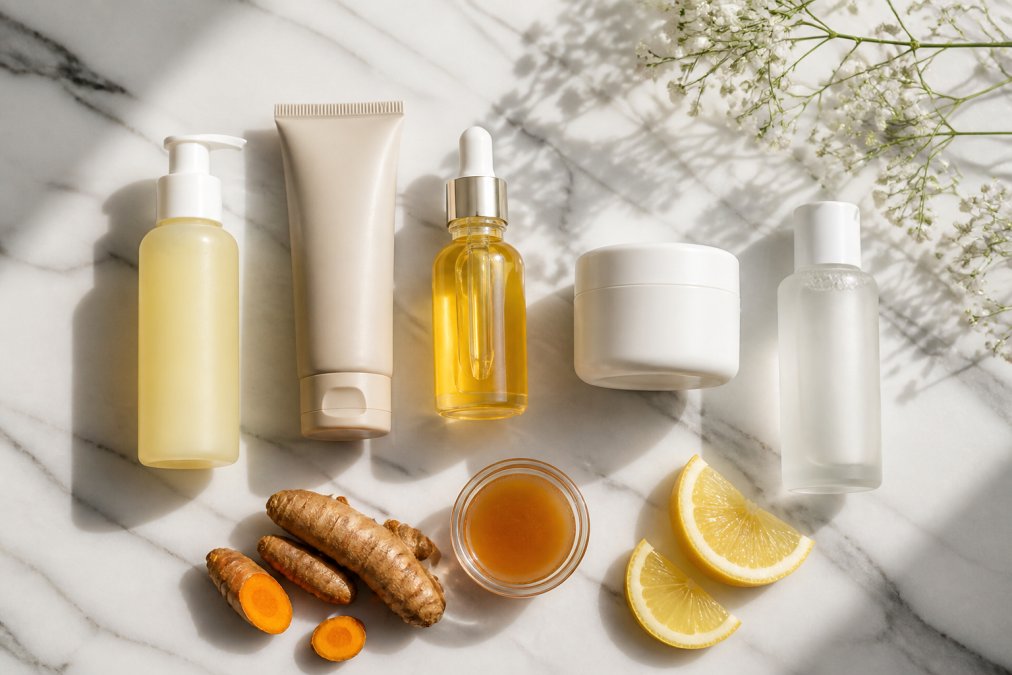
FAITH & RICH's Turmeric Toner pairs turmeric with a lightweight base for daily use, and the Turmeric Lemon Set bundles a face cream, body cream, and soap for a full-body approach at $34.99.

Glutathione for Brightening and Evening Tone
Glutathione is an antioxidant naturally present in the body, and topical formulations aim to support a brighter, more even appearance. It's gentler than acid-based brighteners, which makes it a reasonable option for sensitive skin that can't tolerate retinoids or high-percentage vitamin C.
The NIH overview of glutathione's role in skin explains its antioxidant function in the body. Topical results vary, and consistency over weeks matters more than concentration.
FAITH & RICH's Double Glutathione Set at $124.99 is the brand's most complete brightening routine, built around cleanse, hydrate, and tone-evening steps.
Honey Glow vs LYS Beauty: How the Two Approaches Differ
Honey glow vs lys beauty is really a question of category, not just brand. LYS Beauty is primarily a color cosmetics line: foundation, concealer, blush, lip. The honey-glow approach is skincare-first, built around humectant-rich ingredients that draw moisture into the skin and support a natural, no-makeup makeup finish.
If your goal is coverage, you want cosmetics. If your goal is to need less coverage, you want skincare.
That distinction explains why so many shoppers who "tried everything" for uneven tone end up back at square one. They keep buying base products to conceal a problem that a consistent brightening routine would reduce.
How to Choose Clean Beauty Products That Match Your Skin
How to choose clean beauty products comes down to three checks: read the first five ingredients, match the formulation to your skin type, and confirm the product is actually doing the job you bought it for. Everything else, including the label claims, is secondary.
Check the First Five Ingredients
Ingredients are listed by concentration, highest first. The first five tell you what the product actually is, not what the front of the bottle says.
- Water or aloe first: lightweight, likely a toner or gel, good for layering under makeup
- Oil or butter first: rich and occlusive, better for dry or barrier-compromised skin
- Alcohol denat. high on the list: fast-drying but potentially stripping for sensitive types
- Active botanicals near the top: the functional ingredients are present in meaningful amounts, not sprinkled in for label appeal
- Fragrance listed early: a flag if you're reactive, since fragrance can appear anywhere from the second to the last ingredient and still trigger irritation
A useful habit: ignore the marketing panel entirely on the first pass and read only the ingredient deck. If the first five ingredients don't match the concern you're trying to address, the product isn't the right one regardless of how it's positioned.
Match Formulation to Skin Type
Match the texture to your skin, not to the marketing. This is where most swaps fail, a shopper buys a clean product that's technically well-formulated but wrong for their skin.
| Skin Type | Look For | Avoid |
|---|---|---|
| Oily / acne-prone | Gel, water-light toners, non-comedogenic oils like squalane | Heavy butters, coconut oil, occlusive balms |
| Dry | Cream, oil-based, humectants like glycerin and hyaluronic acid | High-alcohol toners, clay masks used too often |
| Sensitive | Fragrance-free, short ingredient lists, single active | Essential oils, exfoliating acids, high-percentage vitamin C |
| Combination | Lightweight lotions, balancing toners, layered hydration | Overly occlusive balms, heavy creams on the T-zone |
The Skin-Type Angle Most Comparisons Skip
Most brand-to-brand swap guides treat "clean" as a single category. It isn't. A serum foundation built for oily skin and a cream foundation built for dry skin can both be clean, cruelty-free, and vegan, and only one will work on your face. Before you swap brands, identify which formulation class your skin actually tolerates, then look for a clean option inside that class. That single step eliminates most of the trial-and-error that makes clean beauty feel expensive.
FDA information on cosmetics labeling is worth reading if you want to understand what manufacturers are and aren't required to disclose on a label. It's a short read and it changes how you scan a bottle.
Price-Per-Ounce Breakdown: What You Actually Pay
Price-per-ounce is where most clean beauty comparisons fall apart. A $20 toner and a $60 toner can cost nearly the same per use if one lasts three months and the other lasts three weeks. The only way to know is to do the math, and almost no comparison guide does it.
How to Run the Math Yourself
Two numbers matter: the total volume in the bottle and how many pumps or drops you actually use per application. Multiply your daily applications by your typical dose, then divide the bottle volume by that number to get days of use. Divide the price by days of use for your true daily cost.
Here's how that plays out on the options above, using standard usage assumptions:
- Turmeric Toner at $19.99: a 4-ounce bottle used twice daily at roughly a quarter-teaspoon per use can last 8-10 weeks, which works out to roughly $0.30-$0.36 per day
- Turmeric Lemon Set at $34.99: three products covering face, body, and cleansing, about $0.42 per day across the full routine, but only if used consistently
- Double Glutathione Set at $124.99: a multi-step routine that can replace several standalone purchases, which can drop the effective cost per step considerably, the savings only materialize if you'd otherwise have bought each step separately
The Set Trap
Sets almost always beat single-item buying on cost per use. The trade-off is that you commit to a full routine before knowing whether one product in it suits your skin. If a single product in a $124.99 set doesn't work, you've effectively paid a premium for the products you do use, and the per-day math on the remaining items gets worse, not better.
Shoppers sometimes buy sets to save money, then replace one or two items with a different brand, which can erase the savings entirely. A set only wins if every product in it earns its place in your routine.
When a Cheaper Alternative Isn't Actually Cheaper
A lower sticker price doesn't guarantee a lower cost per use. A $12 toner that lasts three weeks costs more per day than a $20 toner that lasts ten weeks. Before you swap, check the volume on the bottle, many clean beauty toners come in 2-ounce or 3.4-ounce sizes rather than the standard 4 ounces, which can increase the effective price.
Conclusion
Finding a clean alternative that actually performs on your skin type takes more than swapping one brand for another. It takes reading ingredient lists, matching formulation to your skin, and giving a routine enough time to show results.
At FAITH & RICH, we built our line around handcrafted toners and honey-based formulas designed to enhance natural beauty, fight blemishes, and reduce visible signs of aging. Our Whitening Plant Essence Toner and 6-Piece Turmeric & Lemon Set give you a starting point at $19.99 and $89.99 respectively, with no guesswork about what's in the bottle.

Get started with FAITH & RICH and build a brightening routine that fits your skin, not someone else's.
Frequently Asked Questions
Is LYS Beauty considered a high-end brand?
LYS Beauty sits in the mid-tier range, typically priced between $12 and $30 per item. It markets itself as clean, vegan, and cruelty-free, which puts it above drugstore pricing but below luxury department store lines. For shoppers comparing lys beauty alternatives, the key question is whether the clean formulation justifies the price. Brands like FAITH & RICH offer turmeric and glutathione-based skincare at $19.99 to $124.99 per set, with a focus on hyperpigmentation and uneven tone rather than color cosmetics.
What are the best clean beauty alternatives to LYS Beauty for sensitive skin?
Look for fragrance-free, non-comedogenic formulas with short ingredient lists. Turmeric-based toners and glutathione serums are common swaps because they target redness and dark spots without harsh acids. Patch-test any new product on your inner forearm for 48 hours before applying to your face. If you have reactive skin, start with a single toner rather than a full set so you can isolate what works. FAITH & RICH's Turmeric Toner at $19.99 is a low-commitment starting point.
Are there affordable alternatives to LYS Beauty foundation?
Yes. If you are looking for a foundation dupe, check the shade range and undertone options first. Many affordable clean brands now offer 30 or more shades with warm, cool, and neutral undertones. The price gap matters: a $12 to $18 foundation versus a $30 to $40 one adds up over a year. For skincare-focused alternatives that address uneven tone before makeup, a brightening toner or serum can reduce how much foundation you need in the first place.
How does FAITH & RICH compare to LYS Beauty?
FAITH & RICH focuses on skincare first: turmeric toners, glutathione sets, and honey-based soaps designed to fade dark spots and even skin tone. LYS Beauty leans toward color cosmetics with clean ingredients. If your main concern is hyperpigmentation or dullness, FAITH & RICH's Turmeric & Lemon 6 Piece Set at $89.99 or the Double Glutathione Set at $124.99 targets those concerns directly. If you need foundation or concealer, LYS may still be the better fit. The two brands solve different problems.
Does LYS Beauty use clean ingredients, and do alternatives match that standard?
LYS Beauty formulates without parabens, sulfates, and phthalates, and it is cruelty-free and vegan. Many alternatives meet the same standard. When comparing, check for the same exclusions plus any certifications like Leaping Bunny or EWG Verified. Ingredient transparency matters more than marketing claims. A brand that lists every ingredient and explains what each one does is easier to trust than one that only says 'clean' on the label.


