

Natural Skincare for Uneven Skin: A 2026 Guide

Table of Contents
- Understanding Uneven Skin Tone and Hyperpigmentation
- How to Treat Hyperpigmentation Naturally
- Best Natural Ingredients for Dark Spots
- Natural Exfoliation for Skin Texture and Cell Turnover
- Building Your Daily Skincare Routine for Even Complexion
- Prevention: Protecting Your Skin from Future Discoloration
- When to See a Dermatologist
- Conclusion
Understanding Uneven Skin Tone and Hyperpigmentation
Uneven skin tone and hyperpigmentation are common skin concerns affecting confidence. When melanin production becomes irregular, dark spots and patches emerge from sun exposure, hormonal shifts, inflammation, or post-inflammatory responses. At FAITH & RICH, we recognize that natural skincare for uneven skin works best when you understand what's happening beneath the surface.
UV damage triggers melanin overproduction, creating sun spots that deepen over time. Hormonal fluctuations, particularly during pregnancy or with certain medications, trigger melasma across the cheeks and forehead. Inflammation from acne, eczema, or irritation leaves post-inflammatory hyperpigmentation, especially in deeper skin tones where melanin responds more aggressively to injury. Aging compounds this through cumulative sun exposure manifesting as age spots and dullness.
The key distinction is treating existing hyperpigmentation while preventing new discoloration. A routine addressing only dark spots won't stop recurrence without UV protection or management of internal triggers fueling melanin overproduction. A layered approach combining ingredients that fade current discoloration with daily protection and lifestyle adjustments prevents recurrence.
How to Treat Hyperpigmentation Naturally
Treating hyperpigmentation naturally requires patience and consistency. Natural remedies work by inhibiting melanin production, accelerating cell turnover to shed pigmented cells, or reducing inflammation that drives discoloration deeper into skin.
The most effective approach combines three mechanisms: ingredients that slow melanin synthesis at the cellular level, gentle exfoliation to remove pigmented outer layers, and antioxidants protecting against oxidative stress triggering melanin production. Unlike harsh chemical peels or expensive laser treatments, natural ingredients work gradually with fewer side effects and better long-term skin health.
Consistency matters more than potency. A gentle natural treatment applied daily for three months outperforms aggressive treatment used sporadically. Your skin's cell turnover cycle takes about 28 days, so expect eight to twelve weeks before meaningful fading of established dark spots (peer-reviewed research). Newer discoloration fades faster; older spots take longer.
Best Natural Ingredients for Dark Spots
The most effective natural ingredients for treating dark spots have been validated through traditional use and modern research. These botanicals work through different mechanisms, some inhibit tyrosinase that produces melanin, others accelerate cell turnover, and some reduce inflammation perpetuating discoloration.
Turmeric and Lemon for Brightening
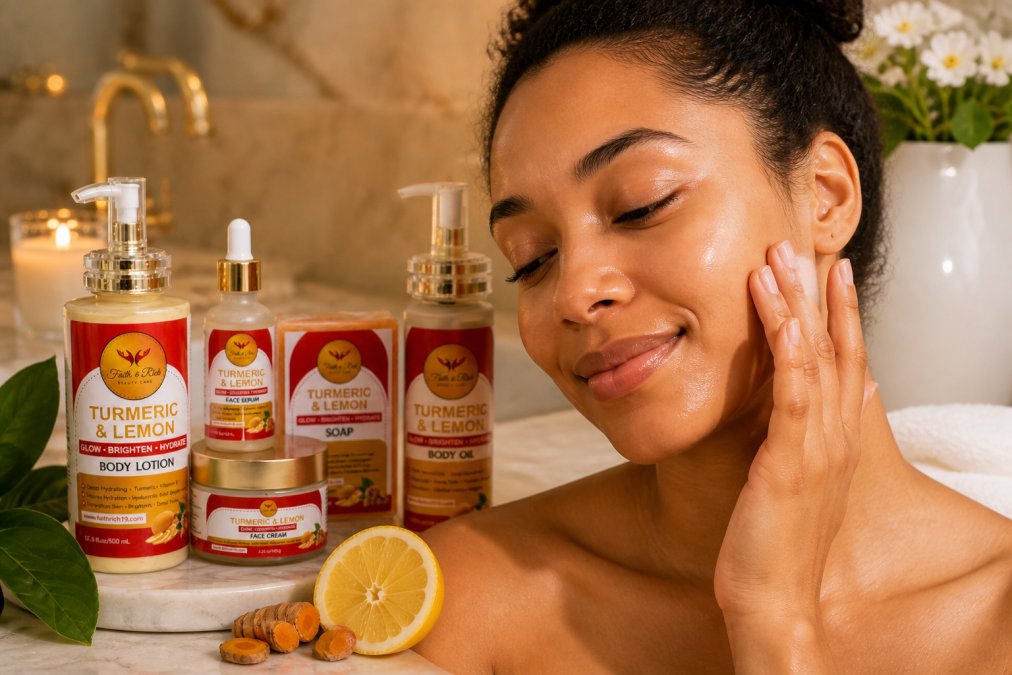
Turmeric contains curcumin, a powerful compound reducing inflammation and inhibiting melanin production by suppressing tyrosinase activity (peer-reviewed research). Combined with lemon's natural vitamin C and citric acid, the brightening effect intensifies. Lemon gently exfoliates while providing antioxidant protection, creating a synergistic effect addressing hyperpigmentation from multiple angles.
The FAITH & RICH Turmeric & Lemon Set ($79.99) brings this combination into a complete treatment system. Turmeric's anti-inflammatory properties calm irritated skin and reduce redness accompanying hyperpigmentation, while lemon's natural acids promote cell turnover shedding pigmented outer layers.

Mix turmeric powder with lemon juice to create a paste, apply to affected areas for 10-15 minutes, then rinse thoroughly. Balance is essential, too much lemon irritates sensitive skin. Start with twice weekly application and increase frequency only if your skin tolerates it well.
For daily maintenance, the Turmeric Serum ($19.99) delivers brightening benefits in a lightweight formula. Apply after cleansing and before moisturizer, allowing full absorption. The serum promotes healthy cell turnover and improves circulation, enhancing your skin's natural radiance over time.
Vitamin C and Antioxidants
Vitamin C is one of the most researched natural ingredients for brightening and evening skin tone. It inhibits melanin synthesis and provides powerful antioxidant protection against free radical damage accelerating aging and discoloration. Topical vitamin C brightens existing dark spots while preventing new ones.
Antioxidants work synergistically with vitamin C to protect your skin barrier and reduce inflammation. Green tea, resveratrol from grapes, and other plant-based antioxidants neutralize free radicals generated by UV exposure and environmental stress. By reducing oxidation, you prevent the root cause of future hyperpigmentation.
Vitamin C oxidizes easily, so look for stabilized forms like ascorbyl palmitate or magnesium ascorbyl phosphate maintaining effectiveness longer. Serums and toners deliver vitamin C more effectively than creams, as lighter texture allows better penetration.
Niacinamide and Azelaic Acid
Niacinamide, also called vitamin B3, is a gentle yet powerful ingredient for treating hyperpigmentation and improving skin texture. It regulates sebum production, reduces inflammation, strengthens your skin barrier, and inhibits melanin transfer to skin cells, directly addressing discoloration mechanisms.
Azelaic acid is a naturally occurring compound found in grains like barley and rye (the FDA). It's particularly effective for post-inflammatory hyperpigmentation and melasma because it selectively inhibits melanin production in overactive melanocytes while leaving normal skin cells unaffected. This targeted action makes it gentler than broad-spectrum brightening ingredients while remaining highly effective.
Both ingredients work best combined with gentle exfoliation and sun protection. Niacinamide can be used daily in serums or toners, while azelaic acid is typically applied once or twice daily depending on sensitivity. Many natural skincare lines now include these ingredients because they deliver clinical results without synthetic harshness.
Natural Exfoliation for Skin Texture and Cell Turnover
Exfoliation is essential for treating hyperpigmentation because dark spots live in outer skin layers. By removing dead skin cells and promoting cell turnover, you shed discolored cells and reveal fresher, clearer skin. Natural exfoliation methods are gentler than chemical or mechanical alternatives while delivering results.
Chemical exfoliation using natural acids, alpha-hydroxy acids (AHAs) like glycolic acid from sugar cane and beta-hydroxy acids (BHAs) like salicylic acid, dissolves bonds between dead skin cells without harsh scrubbing. These acids work gradually and can be used consistently without damaging your skin barrier.
Mechanical exfoliation using ground oatmeal, walnut shell powder, or sugar provides immediate texture improvement. Use gentle pressure and avoid over-exfoliation, which irritates skin and can worsen hyperpigmentation through post-inflammatory response.
Most skin types benefit from exfoliation two to three times weekly. Over-exfoliating strips your skin barrier, increases sensitivity, and can trigger more melanin production as your skin protects itself. Finding your skin's sweet spot, typically twice weekly for normal skin, once weekly for sensitive skin, is essential.
Building Your Daily Skincare Routine for Even Complexion
A consistent daily routine delivers results for natural skincare treating uneven skin. Sporadic treatment won't fade hyperpigmentation effectively because your skin needs regular exposure to brightening ingredients and consistent UV protection. Your routine should gently cleanse, apply active brightening ingredients, and protect against UV damage.
Morning Routine Steps
Start with a gentle cleanser removing overnight oil and debris without stripping your skin barrier. Look for natural cleansers with mild surfactants; avoid harsh sulfates that damage your barrier and trigger melanin production as a protective response.
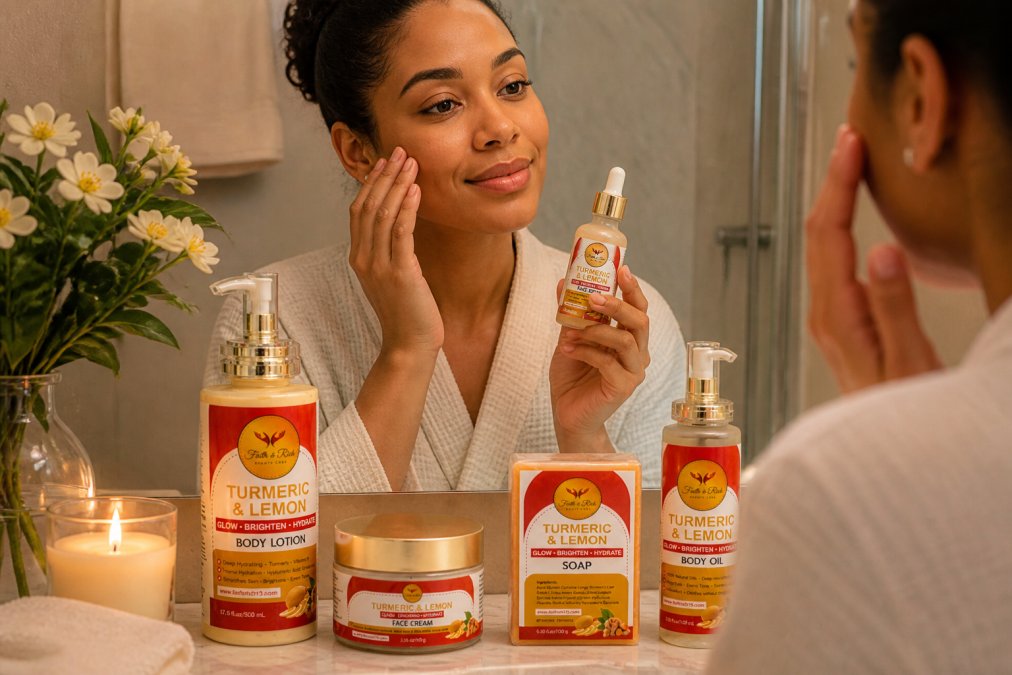
Apply your brightening serum while skin is slightly damp, helping deeper penetration. The Turmeric Serum ($19.99) delivers melanin-inhibiting benefits compounding over weeks of consistent use. Allow 30-60 seconds for absorption before the next step.

Apply a lightweight moisturizer supporting your skin barrier without creating occlusion trapping heat and humidity, conditions worsening hyperpigmentation. Natural moisturizers with aloe vera, hyaluronic acid, and plant oils provide hydration while soothing inflammation.
The final critical step is broad-spectrum sunscreen with SPF 30 or higher. This is non-negotiable for treating hyperpigmentation because UV exposure is the primary melanin overproduction trigger. Without daily sun protection, every other routine step fights an uphill battle. Apply sunscreen generously, most people apply too little, and reapply every two hours if outdoors.
Evening Routine Steps
Evening allows slightly stronger brightening ingredients without UV exposure risk. Start with gentle cleanser, then apply exfoliating treatment on exfoliation nights. Use natural chemical exfoliant like glycolic acid or gentle mechanical exfoliant, but not both on the same night.
After exfoliation, apply primary brightening treatment. The Turmeric & Lemon Set ($79.99) works ideally here, apply the turmeric-lemon mask to clean, dry skin for 10-15 minutes, then rinse thoroughly. Follow with hydrating toner restoring moisture, then evening moisturizer.
On non-exfoliation nights, apply additional brightening serums or treatments. Many layer niacinamide serum under moisturizer for extra melanin-inhibiting benefits. Introduce new products gradually, add one new ingredient every two weeks to ensure tolerance and identify most effective ingredients for your hyperpigmentation.
Before bed, consider applying the Turmeric & Lemon Body Oil ($34.99) to body areas with uneven tone or dark spots. Your skin's repair mechanisms are most active during sleep, making nighttime ideal for intensive treatment.
Prevention: Protecting Your Skin from Future Discoloration
Once you've faded existing hyperpigmentation, prevention becomes priority. The most common mistake is abandoning your brightening routine once dark spots fade, then watching them return within months as UV exposure and inflammation trigger new discoloration.
UV protection is prevention's foundation. Broad-spectrum sunscreen with SPF 30+ is essential, but insufficient alone. Wear protective clothing when possible, wide-brimmed hats, UV-blocking sunglasses, long sleeves during peak sun hours (10 AM to 4 PM). Cumulative daily sun exposure drives hyperpigmentation; even brief exposure adds up over months and years.
Antioxidant serums provide ongoing protection against oxidative stress triggering melanin overproduction. Applying vitamin C serum in the morning before sunscreen creates a protective shield reducing oxidative damage from UV exposure. This is preventive medicine for your skin.
Inflammation management is equally important. Many hyperpigmentation cases stem from chronic inflammation, acne, eczema, rosacea, or sensitivity reactions, rather than sun damage. Managing these inflammatory conditions prevents post-inflammatory hyperpigmentation. Use gentle, fragrance-free products; avoid known irritants; incorporate anti-inflammatory ingredients like turmeric and green tea.
Hormonal management matters if your hyperpigmentation is melasma or hormone-triggered. While natural skincare can't change hormones, consistent sun protection and brightening ingredients prevent melasma from worsening. Discuss with your doctor whether specific hormonal birth control or hormone replacement therapy might trigger or worsen melasma.
When to See a Dermatologist
Natural skincare for uneven skin is highly effective for many cases, but certain situations warrant professional evaluation. If hyperpigmentation appeared suddenly without clear trigger, covers large body areas, or accompanies other skin changes, see a dermatologist to rule out underlying conditions like thyroid disease or medication side effects.
Stubborn melasma unresponsive to three months of consistent natural treatment may benefit from professional treatments like laser therapy or chemical peels. A dermatologist can assess whether hyperpigmentation is truly superficial (treatable with topical ingredients) or extends deeper into the dermis (requiring professional intervention).
If you have sensitive skin, severe acne, or conditions like rosacea or eczema, consult a dermatologist before beginning intensive natural skincare. A professional can recommend which brightening ingredients are safe for your specific condition and help you avoid ingredients triggering flares.
Post-inflammatory hyperpigmentation in deeper skin tones sometimes requires professional treatment because discoloration extends deeper than in lighter skin tones. A dermatologist specializing in diverse skin types can recommend the most effective combination of professional and at-home treatments.
Natural skincare for uneven skin works when you combine the right ingredients with consistent application and sun protection. The FAITH & RICH Turmeric & Lemon collection, including the Turmeric & Lemon Set ($79.99), Turmeric Serum ($19.99), and Turmeric & Lemon Body Oil ($34.99), delivers brightening power of proven natural ingredients in formulations designed for real results. Start with a clear routine, give it 12 weeks of consistent use, and you'll see the even complexion you've been working toward. Explore FAITH & RICH's natural skincare collection and commit to the routine that transforms not just your skin, but your confidence.

Frequently Asked Questions
Q: How can I fix my uneven skin tone naturally?
A: Start with consistent natural skincare using ingredients like turmeric, vitamin C, and niacinamide to address hyperpigmentation and melanin production. Exfoliate 2-3 times weekly to support cell turnover, use broad-spectrum sunscreen daily to prevent UV damage, and follow a structured morning and evening routine. FAITH & RICH's Turmeric & Lemon Set combines two powerful brightening botanicals specifically formulated to fade dark spots and even skin tone.
Q: Are there specific natural ingredients that help with hyperpigmentation?
A: Yes. Turmeric contains curcumin, which reduces dark spots and inflammation. Lemon provides vitamin C for natural brightening. Niacinamide regulates melanin production and strengthens your skin barrier. Azelaic acid addresses discoloration without harsh chemicals. Licorice root extract and alpha-hydroxy acids from natural sources support cell turnover. Antioxidants like green tea and aloe vera protect against photoaging. Combine these in a routine, they work synergistically to address both existing spots and prevent future discoloration.
Q: How long does it take to see results from natural skincare?
A: Most people notice subtle improvements in skin texture and radiance within 2-3 weeks. Visible fading of dark spots and more even complexion typically appears after 6-8 weeks of consistent use. Stubborn hyperpigmentation from years of sun damage may take 12 weeks or longer. Results depend on how severe your discoloration is, your skin type, sun protection habits, and consistency with your routine.
Q: Can uneven skin tone be reversed?
A: Yes, but the timeline depends on the cause and depth of discoloration. Superficial hyperpigmentation from sun exposure, inflammation, or hormonal changes responds well to natural brightening ingredients and exfoliation within weeks to months. Deeper melasma or post-inflammatory hyperpigmentation requires longer treatment, often 3-6 months. Consistency matters more than speed; skipping sunscreen or your routine will slow progress. A dermatologist can assess whether your specific discoloration is reversible and recommend professional treatments if natural skincare reaches a plateau.
This article was written using GrandRanker


