

How to Treat Hyperpigmentation Naturally

Table of Contents
- What Is Hyperpigmentation and What Causes It?
- Best Natural Ingredients for Dark Spots
- How to Treat Hyperpigmentation Naturally: A Step-by-Step Routine
- Sun Protection: The Non-Negotiable Step in Natural Treatment
- How Long Does It Take to Fade Hyperpigmentation Naturally?
- Risks of DIY Hyperpigmentation Treatments to Know First
- How to Treat Hyperpigmentation Naturally: Sustainability and Sourcing
- Conclusion
Last Updated: August 12, 2026
What Is Hyperpigmentation and What Causes It?
Hyperpigmentation is a common skin condition where patches of skin become darker than surrounding areas due to excess melanin production. While not harmful, it can be persistent and frustrating to address.
At FAITH & RICH, we hear from women every day who are dealing with stubborn dark spots and want real answers, not just feel-good advice. This guide breaks down the science behind hyperpigmentation, the best natural ingredients for dark spots, and a practical routine you can build at home, including the safety steps most articles skip entirely.
Several triggers drive excess melanin production: UV exposure, hormonal shifts, acne breakouts, and skin injuries. Understanding which type you're dealing with shapes every treatment decision you make.
Post-Inflammatory Hyperpigmentation vs. Melasma vs. Sun Damage
Post-inflammatory hyperpigmentation (PIH) is darkening that appears after skin inflammation from acne, eczema, or wounds, typically as flat, dark marks in the exact location of the original blemish.
Melasma is hormonally driven hyperpigmentation, commonly triggered by pregnancy, oral contraceptives, or sun exposure in people with higher melanin levels. It typically appears as larger, symmetrical patches across the cheeks, forehead, and upper lip.
Sun damage results from cumulative UV exposure that accelerates melanin production in specific zones, producing freckle-like spots that develop over years of outdoor activity.
Each type responds differently to treatment. PIH often fades faster with consistent topical care, while melasma can be more resistant and may require a dermatologist's guidance alongside any natural approach.
Best Natural Ingredients for Dark Spots
The most effective natural approach targets melanin production at its source. Several botanical ingredients have genuine scientific backing for slowing or interrupting the process that creates dark spots, without stripping your skin barrier or causing irritation that worsens pigmentation.
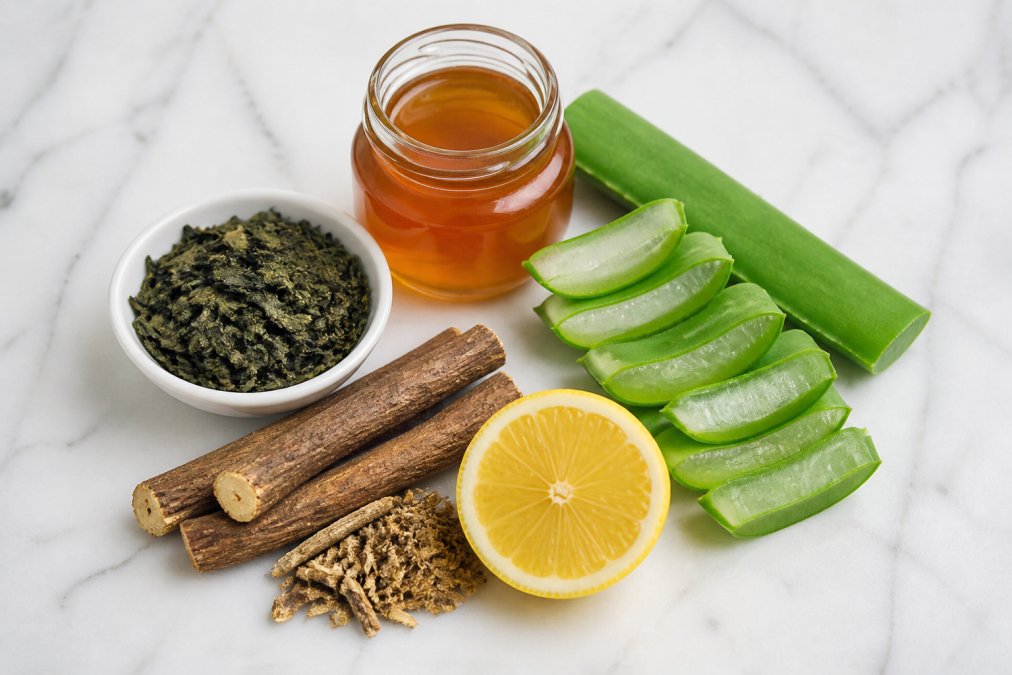
The table below summarizes the most well-supported natural ingredients, what they target, and the best format for topical application.
| Ingredient | Primary Action | Best Application Format | Skin Sensitivity Level |
|---|---|---|---|
| Licorice root extract | Tyrosinase inhibition | Serum or toner | Low |
| Aloe vera | Anti-inflammatory, melanin regulation | Gel or light cream | Very low |
| Green tea extract | Antioxidant, UV damage defense | Serum or mist | Low |
| Turmeric | Anti-inflammatory | Mask (short contact) | Moderate |
| Apple cider vinegar | Exfoliation via acidic properties | Diluted toner | High |
| Vitamin C (botanical) | Collagen synthesis, pigment regulation | Serum | Moderate |
Licorice Root Extract and Tyrosinase Inhibition
Licorice root extract is one of the most well-studied natural ingredients for addressing skin discoloration. Its active compound, glabridin, works by inhibiting tyrosinase, the enzyme responsible for triggering melanin production. Without tyrosinase activity, the chain reaction that leads to dark spots is interrupted before it starts.
Licorice root also has anti-inflammatory properties, making it particularly useful for post-inflammatory hyperpigmentation. It addresses both the original inflammation and the pigment response that follows. For sensitive skin, it is one of the gentler options in the natural brightening category.
According to the American Academy of Dermatology's guidance on skin brightening ingredients, botanical extracts that inhibit tyrosinase are among the most clinically supported options for non-prescription pigmentation treatment.
Aloe Vera, Green Tea, and Other Botanical Ingredients
Aloe vera contains aloesin, which has been shown in cellular research to inhibit tyrosinase activity and reduce melanin synthesis. Beyond its brightening potential, aloe vera supports the skin barrier and reduces inflammation, making it reliable for sensitive skin dealing with PIH.
Green tea extract brings a different mechanism. Its high concentration of antioxidants, particularly EGCG, neutralizes oxidative stress caused by UV exposure. This matters because sun damage both directly causes hyperpigmentation and worsens existing dark spots. Using green tea topically adds preventative care alongside active treatment.
Other botanical ingredients worth including:
- Vitamin C from botanical sources (rosehip, kakadu plum): supports collagen synthesis and interrupts melanin transfer to skin cells
- Kojic acid (derived from fungi): another tyrosinase inhibitor with a long track record in brightening formulations
- Niacinamide: reduces melanin transfer to the skin's surface and strengthens the skin barrier
Apple Cider Vinegar and Turmeric: What the Evidence Actually Shows
Apple cider vinegar's acidic properties provide mild exfoliation that improves cellular turnover. The problem is pH balance risk. Undiluted apple cider vinegar is too acidic for facial skin and can cause chemical burns, worsen inflammation, and trigger post-inflammatory hyperpigmentation.
Turmeric's active compound, curcumin, has genuine anti-inflammatory properties. As a short-contact mask diluted in honey or yogurt, it can calm inflammation and mildly brighten skin. The risk is staining and potential contact dermatitis if applied too frequently or at high concentrations.
Both ingredients can play a supporting role, but neither should be used undiluted, and neither replaces more targeted botanical extracts.
How to Treat Hyperpigmentation Naturally: A Step-by-Step Routine
To treat hyperpigmentation naturally, you need a consistent, layered routine combining targeted active ingredients with daily sun protection. Consistency matters more than intensity.
Patch Testing Protocol Before You Start
This is the step most people skip, and it prevents the most problems.
Before applying any new ingredient to your face, perform a patch test on a small area of skin, typically the inner forearm or behind the ear. Apply a small amount, wait 24 to 48 hours, and check for redness, itching, swelling, or any change. If any reaction occurs, do not use that ingredient on your face.
Patch testing is especially important when you have a history of skin sensitivity, are combining multiple new ingredients at once, are using acidic ingredients, or your skin is already inflamed or compromised.
Building Your Daily and Weekly Routine
A practical natural routine for hyperpigmentation looks like this:
Morning:
- Gentle, pH-balanced cleanser
- Antioxidant serum (green tea extract or botanical vitamin C) applied to damp skin
- Moisturizer that supports the skin barrier
- Broad-spectrum SPF 30 or higher (non-negotiable)
Evening:
- Double cleanse if you wore sunscreen or makeup
- Targeted treatment: licorice root serum, aloe vera gel, or niacinamide
- Moisturizer to seal in treatment and support overnight cellular turnover
Weekly (1-2 times):
- Gentle exfoliation to support cellular turnover and improve ingredient absorption
- Short-contact brightening mask (turmeric with honey, or a clay mask with botanical extracts)
Sun Protection: The Non-Negotiable Step in Natural Treatment
Every natural ingredient in your routine works harder when UV exposure is controlled. Without consistent sun protection, melanin production is continuously stimulated, and any fading achieved during the night gets partially reversed the next morning.
Broad-spectrum sunscreen with a sun protection factor of at least 30 is the single most evidence-supported tool for managing hyperpigmentation. As documented in the Skin Cancer Foundation's guidance on UV protection and pigmentation, daily sunscreen use is the most effective preventative care measure for all forms of skin discoloration, including melasma and sun damage.
Key practical points often overlooked:
- Reapply every two hours when outdoors
- Mineral sunscreens (zinc oxide, titanium dioxide) are generally better tolerated by sensitive skin than chemical filters
- Tinted formulas provide additional protection against visible light, which can stimulate melanin in people with melasma
Sunscreen is not optional in a natural hyperpigmentation routine. It is the foundation everything else is built on.
How Long Does It Take to Fade Hyperpigmentation Naturally?
How long it takes depends on the type of pigmentation, skin tone, consistency of treatment, and daily sun protection. Many people see noticeable improvement in eight to twelve weeks of consistent use, but deeper or longer-standing pigmentation can take six months or more.
PIH from recent acne tends to respond faster than melasma or long-term sun damage. Deeper skin tones may experience slower visible fading because melanin is more concentrated in dermal layers, though the pigmentation is often no more resistant to treatment.
The timeline breakdown:
- Weeks 1-4: Skin barrier improves, inflammation reduces, surface texture evens out
- Weeks 4-8: Early fading visible in lighter spots; skin tone begins to even
- Weeks 8-12: Meaningful fading in most PIH cases; melasma shows slower progress
- Months 3-6+: Deeper pigmentation continues to fade with consistent care
Risks of DIY Hyperpigmentation Treatments to Know First
Some popular DIY approaches actively worsen skin discoloration rather than improving it.
Lemon juice is one of the most commonly recommended home treatments and one of the most problematic. Its acidic properties provide exfoliation, but it causes phototoxicity, increasing UV sensitivity and causing dark patches when skin is exposed to sunlight immediately after application. According to guidance from the National Institutes of Health on phototoxic reactions, certain plant-based compounds significantly increase the skin's sensitivity to UV radiation.
Other risks:
- Over-exfoliation disrupts the skin barrier and triggers post-inflammatory hyperpigmentation
- Using multiple actives at once without testing each one causes compounding irritation
- High-concentration essential oils applied directly to skin can cause chemical burns and lasting discoloration
- Skipping sunscreen while using brightening actives accelerates sun damage in treated areas
Ingredient Interactions That Can Worsen Skin Discoloration
Certain ingredient combinations are genuinely problematic.
Vitamin C and acidic ingredients (like AHAs or apple cider vinegar): Both are acidic. Layering them drops the skin's pH too low, causing irritation and inflammation that worsens pigmentation.
Retinol and exfoliating acids: Using both without a slow introduction phase often leads to barrier disruption and rebound redness.
Niacinamide and vitamin C: At high concentrations, they can interact and temporarily reduce effectiveness. Using them at different times of day sidesteps the issue.
How to Treat Hyperpigmentation Naturally: Sustainability and Sourcing
The way an ingredient is sourced affects both its environmental impact and quality. Many botanical ingredients used in natural skincare, including licorice root, aloe vera, and green tea extract, are subject to varying standards of agricultural practice. Sustainably farmed or certified organic sources tend to maintain more consistent concentrations of active compounds.
What to look for when choosing natural skincare products:
- USDA Organic certification for ingredients where pesticide residue is a concern
- Fair trade or ethical sourcing labels for globally sourced botanicals like turmeric and licorice root
- Small-batch or handcrafted production can signal fresher ingredient use and higher active compound concentration
- Transparent ingredient lists that name the specific extract form indicate a brand that understands its formulations
FAITH & RICH's handcrafted approach to skincare, including its skin toners and honey-based formulas, reflects this philosophy. Honey itself has well-documented antimicrobial and anti-inflammatory properties that support skin barrier health, creating a foundation that makes brightening treatments more effective. When your skin barrier is intact, active ingredients penetrate more efficiently and irritation risk drops.
| Natural Ingredient | Target Pigmentation Type | Timeline to See Results | Key Precaution |
|---|---|---|---|
| Licorice root extract | PIH, melasma, sun damage | 6-12 weeks | Patch test first |
| Aloe vera | PIH, inflammation-driven spots | 4-8 weeks | Use pure gel without additives |
| Green tea extract | Sun damage, oxidative discoloration | 8-12 weeks | Best layered under SPF |
| Turmeric mask | Mild PIH, dull skin tone | 4-8 weeks (with consistency) | Short contact only; may stain |
| Apple cider vinegar | Surface-level discoloration | Variable | Always dilute; avoid sun exposure after |
| Botanical vitamin C | Sun damage, overall brightening | 8-16 weeks | Store away from light and heat |
When building a routine to treat hyperpigmentation naturally, the ingredients that work best are the ones you use consistently, safely, and with adequate sun protection every single day. There are no shortcuts, but there is a clear path.
Frequently Asked Questions
Can hyperpigmentation be removed naturally?
Natural treatments can significantly fade hyperpigmentation, though complete removal depends on the type and depth of pigmentation. Surface-level dark spots from sun damage or post-inflammatory hyperpigmentation respond well to consistent use of tyrosinase-inhibiting ingredients like licorice root extract and vitamin C, combined with daily sun protection. Deeper pigmentation, such as melasma, is harder to address without professional intervention. Results take time, and patience paired with a structured routine is essential for meaningful improvement.
How long does it take to see results from natural hyperpigmentation treatments?
Most people notice visible fading in 8 to 12 weeks with consistent daily use of proven natural ingredients. Superficial dark spots may lighten within 4 to 6 weeks, while deeper discoloration or melasma can take 3 to 6 months or longer. Cellular turnover plays a big role: skin renews roughly every 28 days, so give each routine at least two full cycles before judging results. Skipping sunscreen during this period can undo progress, as UV exposure actively triggers more melanin production.
Are natural remedies for hyperpigmentation safe for all skin tones?
Most botanical ingredients are safe across skin tones, but darker skin tones are more prone to post-inflammatory hyperpigmentation if an ingredient causes irritation. This makes patch testing non-negotiable before applying anything new to your face. Acidic ingredients like apple cider vinegar can disrupt the skin's pH balance and cause burns if used undiluted, which risks worsening discoloration in deeper skin tones. Stick to well-formulated products with clinically studied concentrations rather than undiluted kitchen remedies.
What fades dark spots the fastest naturally?
Licorice root extract and niacinamide are among the fastest-acting natural options because they directly inhibit tyrosinase, the enzyme that drives melanin production. Consistent exfoliation with gentle acids like lactic acid speeds up cellular turnover, helping pigmented cells shed faster. Vitamin C supports collagen synthesis and brightens existing discoloration. No single ingredient works overnight, but combining a tyrosinase inhibitor with daily SPF 30 or higher sunscreen produces the most noticeable results within the shortest realistic timeframe.
Stubborn hyperpigmentation and uneven skin tone require more than a single product fix. FAITH & RICH's handcrafted skin toners and honey-based formulas are designed to support the skin barrier, fight blemishes, and create the conditions where brightening ingredients can do their best work. Explore the FAITH & RICH collection and find the routine that works for your skin.
This article was written using GrandRanker


