

Honey Based Skincare for Acne: A Complete Guide

Table of Contents
- Why Honey Works for Acne-Prone Skin
- How to Use Manuka Honey for Acne
- How to Apply Honey to Your Face
- How Long Should I Leave Honey on My Face
- Honey Face Mask for Acne Scars
- Raw vs. Processed Honey: Which Is Better for Acne
- Combining Honey Skincare With Other Acne Treatments
- Storage, Safety, and When to Stop Using Honey
- Frequently Asked Questions
Last Updated: September 2, 2026
Why Honey Works for Acne-Prone Skin
Honey has been used in skincare for thousands of years, and the science behind its effectiveness for acne is straightforward. Raw honey contains natural compounds that address inflammation, bacteria, and skin barrier damage simultaneously, three problems most conventional acne treatments handle separately.
The antibacterial properties come from hydrogen peroxide production and methylglyoxal, which inhibit bacterial growth without the harshness of benzoyl peroxide or salicylic acid (peer-reviewed research). The anti-inflammatory effects reduce redness and swelling, making honey particularly useful for cystic acne. What sets honey apart is its ability to accelerate skin repair by promoting collagen synthesis and maintaining hydration while fighting acne. This dual action explains why many people see clearer, smoother skin within 2-3 weeks of consistent use.
Honey works best as part of a consistent routine. Daily or every-other-day use is where benefits compound. Sporadic application won't deliver results.
How to Use Manuka Honey for Acne
Manuka honey, produced by bees that pollinate the manuka bush in New Zealand, contains significantly higher levels of methylglyoxal than conventional honey (peer-reviewed research). For acne treatment, manuka honey is the gold standard, delivering faster results and working on more resistant bacterial strains.
When using manuka honey for acne, concentration is critical. Look for products labeled with a UMF (Unique Manuka Factor) rating of 10 or higher; UMF 15+ is ideal for acne treatment. Lower ratings won't deliver the same results.
Application frequency depends on your skin's tolerance. Some people use manuka honey as a spot treatment once daily; others apply it as a full-face mask 2-3 times weekly. Consistency matters more than intensity. Pick a routine you'll maintain for at least 4 weeks before evaluating results.
Store manuka honey in a cool, dark place away from direct sunlight. Heat degrades the enzymatic activity that makes it effective. Once opened, most manuka honey products last 12-18 months if stored properly.
How to Apply Honey to Your Face
Applying honey correctly determines whether you'll see benefits or frustration.
Patch Testing Before Full Application
Before applying honey to your full face, always patch test on a small area first. Choose a discreet location like your jawline, behind your ear, or your inner forearm. Apply a small amount of honey (roughly the size of a pea) and leave it for 10-15 minutes. Watch for redness, stinging, swelling, or burning. If your skin remains calm, you're safe to proceed.
Patch testing is especially important if you have sensitive skin, a history of allergic reactions, or if you're using other active acne treatments simultaneously. Perform your patch test in the evening and wait at least 24 hours before committing to full-face use.
Step-by-Step Application Process
Step 1: Cleanse your face thoroughly. Use a gentle cleanser appropriate for acne-prone skin. Wash for 30-60 seconds, focusing on areas where breakouts cluster. Rinse with lukewarm water and pat dry, leaving skin slightly damp.
Step 2: Apply honey evenly across your face. Use clean fingers or a clean brush to spread a thin, even layer. For full-face application, use about a teaspoon of honey. The layer should be thin enough that you can still see your skin underneath.
Step 3: Leave the honey on for 10-20 minutes. This is the active treatment window. If you experience stinging or burning, rinse immediately.
Step 4: Rinse with lukewarm water. You may need to rinse 2-3 times to remove all residue.
Step 5: Follow with your regular skincare routine. Apply any toners, serums, or moisturizers you normally use. A hydrating moisturizer balances the treatment and prevents excess oil production.
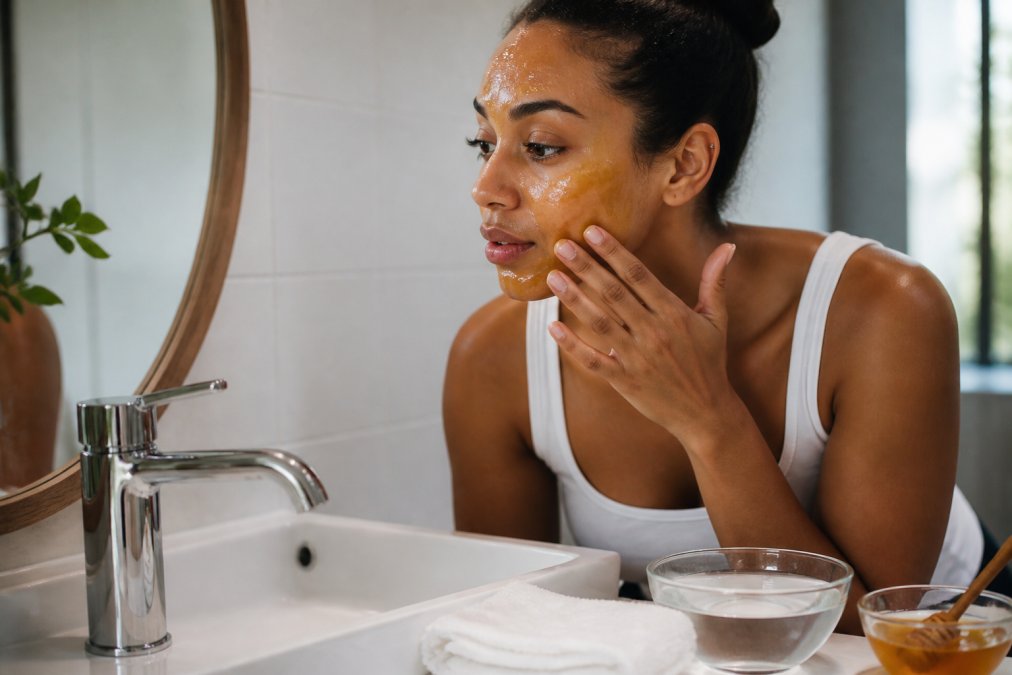
Frequency: For most people, applying honey works best 3-4 times weekly. Once you see improvement, you can reduce to 2 times weekly for maintenance.
How Long Should I Leave Honey on My Face
The ideal duration for honey application is 10-20 minutes. This window balances therapeutic benefit with skin tolerance.
Ten minutes is the minimum active time, allowing honey's antibacterial compounds to penetrate the skin. Fifteen to twenty minutes is optimal for most acne-prone skin types, maximizing anti-inflammatory and wound-healing benefits. Never exceed 20 minutes; beyond this point, honey begins drawing moisture from your skin rather than adding it.
If you're using honey daily, keep applications to 10 minutes. If you're using it 2-3 times weekly, you can extend to 15-20 minutes. This adjustment prevents cumulative dryness while maintaining consistent results.
Honey Face Mask for Acne Scars
Acne scars form when inflammation damages the skin's collagen structure. Honey face mask for acne scars works because honey accelerates collagen remodeling and improves skin texture. Unlike active acne treatment, scar reduction requires patience, expect 8-12 weeks of regular use before seeing noticeable improvement.
Honey's wound-healing properties stimulate fibroblast activity, which produces new collagen. This new collagen gradually fills in shallow indented scars and smooths raised scars. For the most effective honey face mask, combine honey with complementary ingredients. Mix 2 tablespoons of honey with 1 teaspoon of lemon juice (vitamin C), turmeric (anti-inflammatory), or cinnamon (promotes circulation).
Apply the mask directly to scarred areas, leaving it on for 20-30 minutes. Use this mask 2-3 times weekly. Many people see texture improvement within 4 weeks and significant scar reduction within 8-12 weeks.
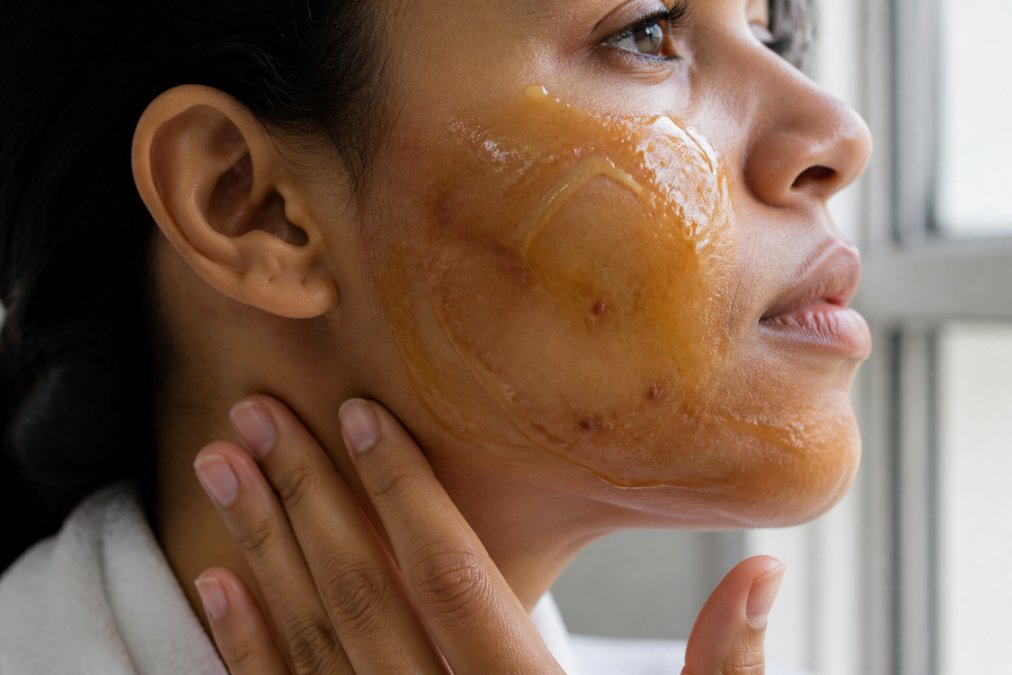
Manuka honey is superior for scar treatment because its higher enzymatic activity accelerates collagen synthesis. Keep prepared masks in an airtight container in the refrigerator for up to one week. Refrigerated honey masks actually work better, as the cool temperature reduces inflammation.
Raw vs. Processed Honey: Which Is Better for Acne
Raw honey is honey in its most natural state, minimally processed, unheated, and unpasteurized. It contains pollen, enzymes, and beneficial compounds that remain intact. For acne treatment, raw honey is superior because these compounds, particularly enzymes and antioxidants, create the antibacterial and anti-inflammatory effects.
Processed honey has been heated, filtered, and sometimes pasteurized. This processing extends shelf life but destroys many beneficial compounds. The enzymatic activity drops substantially, making processed honey less effective for acne treatment.
The practical difference is noticeable. Many people report faster breakout resolution when switching from processed to raw honey. Raw honey genuinely contains more active compounds. If you've tried honey skincare with processed honey and saw minimal results, switching to raw honey often changes the outcome entirely.
Manuka honey exists in both raw and processed forms. Raw manuka honey is preferable for the same reasons. Look for labels specifying both "raw" and a UMF rating of 15 or higher.
Raw honey typically costs more but lasts 3-4 months with regular use, making the per-application cost reasonable. Store raw honey in a cool, dark place and check expiration dates carefully. Once opened, raw honey lasts 12-18 months if stored properly.
Combining Honey Skincare With Other Acne Treatments
Honey works synergistically with many acne treatments, but certain combinations require careful sequencing to avoid irritation.
Benzoyl peroxide and honey can be used together, but not simultaneously. Apply benzoyl peroxide first, let it dry completely (5-10 minutes), then apply honey. This combination is particularly useful for moderate acne because benzoyl peroxide kills bacteria rapidly while honey supports skin healing.
Salicylic acid and honey should be used on alternating days rather than together. Use salicylic acid on one day, honey on the next. This approach maintains consistent treatment without overloading your skin.
Retinoids and honey work well together. Apply retinoid first, wait 15-20 minutes for it to fully absorb, then apply honey. Honey's soothing properties buffer retinoid irritation while supporting the skin barrier.
Antibiotics (topical or oral) and honey are compatible. Honey doesn't interfere with antibiotic action and may enhance results through complementary antibacterial mechanisms.
Vitamin C serums and honey pair well. Apply vitamin C first, let it absorb (5 minutes), then apply honey. Both ingredients support collagen production and skin healing.
Avoid combining honey with strong physical exfoliants or chemical peels on the same day. Space these treatments at least 24 hours apart.
The golden rule: introduce treatments one at a time. Start with your primary treatment, use it consistently for 2 weeks, then add a second treatment if needed. This approach prevents overwhelming your skin barrier.
| Treatment | Compatibility | Timing | Frequency |
|---|---|---|---|
| Benzoyl peroxide | Yes | Peroxide first, honey second | Same day, sequential |
| Salicylic acid | Yes | Alternate days | Different days |
| Retinoids | Yes | Retinoid first, honey second | Same day, sequential |
| Topical antibiotics | Yes | Either order | Same day, any order |
| Vitamin C | Yes | Vitamin C first, honey second | Same day, sequential |
| Physical exfoliants | No | Separate by 24 hours | Different days |
| Chemical peels | No | Separate by 24 hours | Different days |
Storage, Safety, and When to Stop Using Honey
Store raw honey in a cool, dark place away from direct sunlight. A bathroom cabinet or bedroom drawer works well. Never store honey in the bathroom medicine cabinet if you have warm showers, as steam and heat degrade enzymatic activity. Room temperature storage (65-75°F) is ideal.
Check expiration dates before purchase and monitor them during use. Most raw honey products last 12-18 months after opening. Once you notice crystallization, separation of liquids, or off-putting odors, discard the product.
Always use clean applicators. Never dip your fingers directly into a honey jar if you'll be applying it to acne-prone skin, as this introduces bacteria back into the product.
Safety concerns are minimal for most people. However, people with pollen allergies may experience reactions to raw honey, which contains pollen. If you have a known bee or pollen allergy, patch test extensively before full-face application. Infants under one year should never ingest honey due to botulism risk, but topical application is safe (the CDC).
Stop using honey if you experience persistent redness, swelling, severe itching, or hives. These signs indicate an allergic reaction or incompatibility. Discontinue use immediately and rinse thoroughly with cool water.
Some people develop contact dermatitis from honey, though this is uncommon. If your skin becomes increasingly irritated with continued use rather than improving, honey may not be right for your skin.
Pregnancy and nursing are not contraindications for topical honey use. Honey is safe during pregnancy and while breastfeeding.
For active acne treatment, most people see results within 2-4 weeks and can continue indefinitely. For scar treatment, commit to 8-12 weeks before evaluating effectiveness. If you're not seeing improvement after 12 weeks of consistent use, consult a dermatologist.
Many people use honey skincare as long-term maintenance treatment even after breakouts clear. There's no maximum duration; honey is gentle enough for indefinite use.
Acne affects confidence and self-image, which is why finding an effective treatment matters. Honey-based skincare for acne offers a natural, evidence-backed approach that works for many people without harsh side effects. At FAITH & RICH, we understand that clear skin is about feeling comfortable in your own skin and embracing your natural beauty. Our handcrafted honey-based skincare products are designed to deliver real results while supporting your skin barrier. Start with a patch test, commit to consistent application, and give honey the 4-6 weeks it needs to transform your skin. Your clearest, most confident self is waiting.
Frequently Asked Questions
Is honey good for acne-prone skin?
Yes. Honey has antibacterial and anti-inflammatory properties that help reduce breakouts and soothe irritated skin. Raw honey and manuka honey contain enzymatic activity that supports the skin barrier and reduces redness. Many people with acne-prone skin see improvements in inflammation and fewer new breakouts when they use honey-based skincare consistently. However, individual results vary, so patch testing is important before committing to a full routine.
What type of honey is best for acne?
Manuka honey is often considered the most effective for acne because of its higher antibacterial potency and therapeutic compounds. Raw honey also works well and retains more enzymatic activity than processed honey. Look for honey that is non-comedogenic and free from added sugars or fillers. When choosing honey-based skincare products, check the ingredient list to ensure honey is a primary component, not a minor additive.
Can honey-based skincare help with acne scarring?
Honey supports wound healing and can reduce the appearance of acne scars over time. Its enzymatic activity promotes skin regeneration and improves hydration, which helps fade scars and smooth skin texture. Honey face masks applied regularly may help soften scar tissue and improve overall skin tone. Results take weeks to months, and deeper scars may require professional treatments alongside honey skincare for best results.
Are there side effects to using honey on the face?
Most people tolerate honey well, but allergies are possible, especially to pollen or bee products. Some people experience mild irritation or sensitivity if they have very reactive skin. Always patch test on a small area first. If you develop redness, swelling, or itching, stop use and rinse thoroughly. Honey is generally non-comedogenic, but consistency matters, thick honey formulas can feel heavy on oily skin, so choose lighter honey-based products if that's a concern.
This article was written using GrandRanker


