

Natural Alternatives to Earth to Skin for Acne-Prone Skin

Table of Contents
- Why Switch From Earth to Skin for Acne-Prone Skin
- Natural Acne Treatment for Sensitive Skin: Key Ingredients to Look For
- Benzoyl Peroxide Alternatives: Natural Options That Work
- FAITH & RICH Honey-Based Skincare Benefits for Acne-Prone Skin
- How to Transition Your Skincare Routine for Acne Without Irritation
- Ingredients to Avoid: What Clogs Pores and Triggers Breakouts
- Building Your Clean Skincare Routine: Step-by-Step
- Conclusion
Last Updated: August 17, 2026
Why Switch From Earth to Skin for Acne-Prone Skin
If you've been using Earth to Skin products for acne-prone skin without results, you're not alone. Many people search for alternatives because their current routine isn't delivering the clarity or comfort they need. The real issue isn't that effective solutions don't exist, it's that most people don't know what to look for when evaluating alternatives. You need to understand which active ingredients work, how they interact with your skin barrier, and whether a product matches your specific skin type. This guide from FAITH & RICH breaks down the science behind natural acne treatment for sensitive skin and shows you exactly how to transition to a routine that works.

Switching skincare products requires strategy. Rush it and you risk irritation and wasted money. Take your time and you'll find a system that clears breakouts while strengthening your skin's ability to resist future ones.
Natural Acne Treatment for Sensitive Skin: Key Ingredients to Look For
When shopping for acne-prone skin alternatives, ingredient knowledge is your biggest advantage. The most effective natural acne treatments address inflammation, bacterial growth, and sebum regulation without stripping or sensitizing your skin.
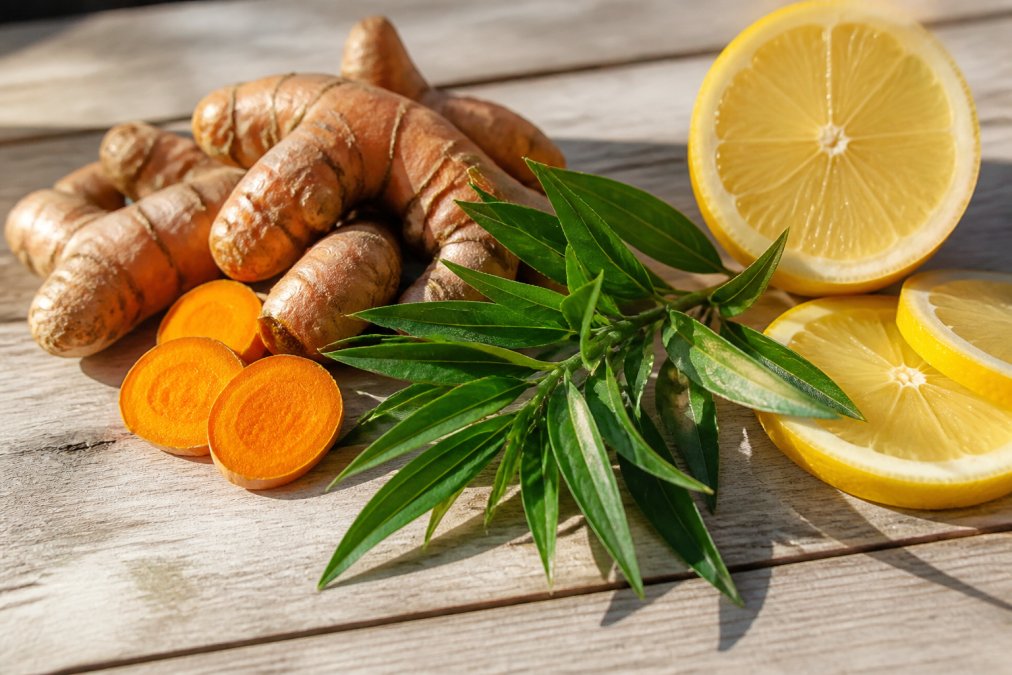
Turmeric: Anti-Inflammatory Power for Breakouts
Turmeric is one of the most researched natural ingredients for acne-prone skin. Its active compound, curcumin, reduces inflammation at the source while supporting your skin barrier. Unlike harsher actives, turmeric calms redness and swelling without irritation.
Turmeric works by reducing inflammation and regulating sebum production, helping prevent new breakouts while treating existing ones. For sensitive acne-prone skin, this gentle but effective approach means fewer irritation cycles and more consistent results.
The FAITH & RICH Turmeric Toner ($19.99) delivers this benefit in a lightweight formula that balances and brightens your complexion. Use it daily after cleansing to reduce inflammation. The Turmeric Face Cleanser ($24.99) removes impurities while calming irritation, leaving your skin refreshed rather than stripped.

Tea Tree Oil and Antimicrobial Benefits
Tea tree oil works against the bacteria that cause breakouts. Its antimicrobial properties are well-documented and particularly effective for oily, acne-prone skin. The key is using it in the right concentration, too strong and it irritates; too weak and you won't see results.
When formulated correctly, tea tree oil reduces active breakouts faster than many alternatives and prevents new blemishes by keeping pores cleaner. For sensitive skin, the risk is irritation, which is why it should be part of a balanced routine rather than a standalone treatment.
Look for products where tea tree is one ingredient among several soothing botanicals, not the star player. This approach gives you the antimicrobial benefit without irritation risk.
Niacinamide for Sebum Regulation and Pore Health
Niacinamide is a form of vitamin B3 that deserves a permanent spot in any acne-prone skin routine. It regulates sebum production, directly addressing one of the root causes of breakouts. It also strengthens your skin barrier, reduces inflammation, and improves pore appearance without irritation.
Niacinamide is versatile, you can find it in toners, serums, creams, and cleansers. It's stable, non-irritating, and delivers visible results within 4-6 weeks of consistent use. If your current routine is missing this ingredient, adding it should be one of your first moves.
Benzoyl Peroxide Alternatives: Natural Options That Work
Benzoyl peroxide is effective for acne but comes with drawbacks: it can bleach fabrics, cause dryness and irritation, and isn't suitable for sensitive skin. Natural alternatives offer similar results without harsh side effects.
The best benzoyl peroxide alternatives combine multiple gentle actives rather than relying on a single strong ingredient. Turmeric, tea tree oil, salicylic acid from white willow bark, and niacinamide work synergistically to reduce bacteria, calm inflammation, and prevent new breakouts.
| Alternative Ingredient | How It Works | Best For |
|---|---|---|
| Turmeric | Reduces inflammation, regulates sebum | Sensitive, inflamed acne-prone skin |
| Tea Tree Oil | Antimicrobial, reduces bacteria | Active breakouts, oily skin |
| White Willow Bark | Gentle exfoliation, salicylic acid source | Clogged pores, non-sensitive skin |
| Niacinamide | Sebum regulation, barrier support | All acne-prone skin types |
| Calendula | Soothing, antimicrobial | Irritated, sensitive acne-prone skin |
The transition from benzoyl peroxide to natural alternatives typically takes 2-3 weeks. Many people report that once they've switched, their skin feels healthier and clears better than it did with the harsher product.
FAITH & RICH Honey-Based Skincare Benefits for Acne-Prone Skin
Honey has been used for skin healing for thousands of years, and modern research confirms its effectiveness for acne-prone skin. Raw honey contains enzymes and antioxidants that reduce bacteria, soothe inflammation, and support skin healing without irritation.
FAITH & RICH specializes in honey-based skincare that combines raw honey with complementary natural ingredients like turmeric and lemon. The honey works on multiple levels: it has natural antimicrobial properties that reduce acne bacteria, it's deeply hydrating without drying your skin barrier, and it contains antioxidants that support healing and reduce post-breakout marks.
Why Turmeric and Lemon Work Together
The combination of turmeric and lemon is one of the most effective natural pairings for acne-prone skin. Turmeric handles inflammation and bacterial growth, while lemon provides gentle exfoliation and brightening through its natural vitamin C and citric acid content. Together, they address breakouts, dark spots, and uneven skin tone.
The FAITH & RICH Turmeric & Lemon Set ($79.99) brings these ingredients together in a complete system. For a more affordable entry point, the Turmeric Lemon Set ($34.99) includes face cream, body cream, and soap. The Turmeric Lemon Soap ($9.99) is an excellent starting point to introduce your skin to both ingredients gently.

How to Transition Your Skincare Routine for Acne Without Irritation
Switching acne-prone skin products too quickly leads to irritation and frustration. Your skin needs time to adjust to new ingredients, and a gradual transition prevents setbacks that make people abandon better products too soon.
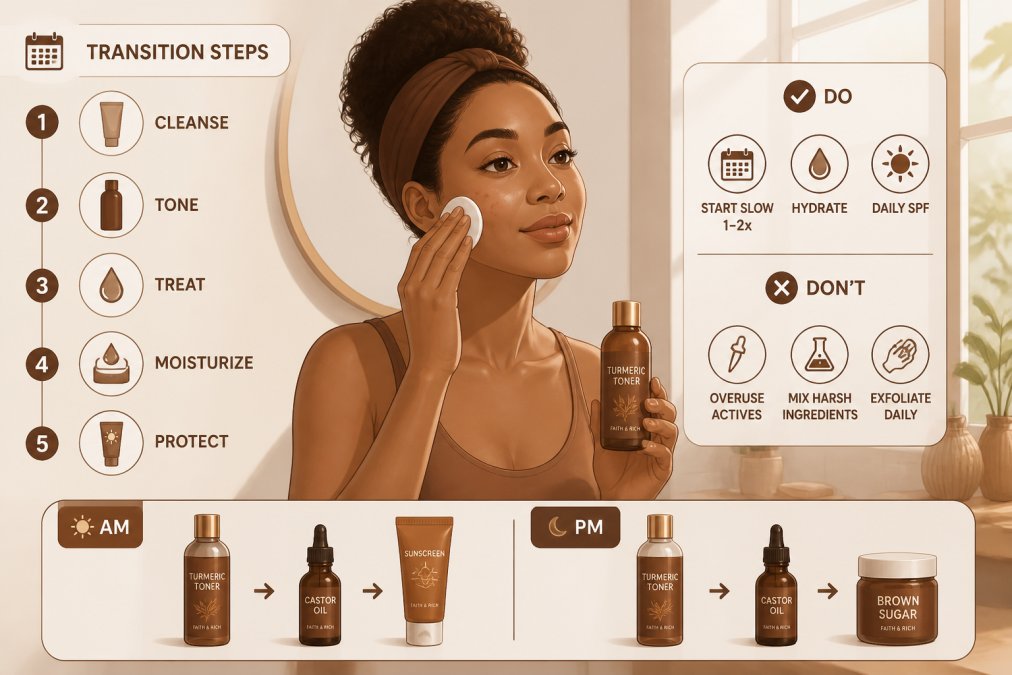
Start by introducing one new product at a time, waiting at least 3-5 days between additions. Begin with a gentle cleanser or toner, then add a targeted treatment product like a serum or toner with your chosen active ingredient. Use it 3-4 times per week for the first two weeks, then increase to daily use if your skin tolerates it well.
Once your skin has adjusted to the treatment product, add a moisturizer formulated for acne-prone skin. This is critical, a good moisturizer supports your skin barrier and makes acne treatments more effective while reducing irritation.
Ingredients to Avoid: What Clogs Pores and Triggers Breakouts
Understanding what to avoid is just as important as knowing what to use. Heavy oils like coconut oil and mineral oil are notorious for clogging pores on acne-prone skin. Instead, look for non-comedogenic oils like jojoba or squalane.
Synthetic fragrances and essential oils at high concentrations can irritate acne-prone skin and trigger inflammation. Look for unscented or lightly scented products. Certain silicones trap bacteria and sebum, creating a perfect environment for acne. Alcohol denat (denatured alcohol) is drying and irritating, stripping your skin barrier and triggering more breakouts. Look for alcohol-free formulas instead.
Building Your Clean Skincare Routine: Step-by-Step
A successful acne-prone skin routine follows a logical sequence that maximizes ingredient effectiveness while protecting your skin barrier.
Step 1: Cleanse (Morning and Night) Start with a gentle, non-stripping cleanser. The FAITH & RICH Turmeric Face Cleanser ($24.99) removes impurities while turmeric calms inflammation. Massage it onto damp skin for 30-60 seconds, then rinse thoroughly.
Step 2: Tone (Morning and Night) Apply your chosen toner while your skin is still slightly damp. The FAITH & RICH Turmeric Toner ($19.99) balances pH, reduces inflammation, and begins the treatment process. Use a cotton pad or your hands to apply.
Step 3: Treat (Night, or 3-4x Weekly to Start) Apply your active ingredients to clean, toned skin. The FAITH & RICH Turmeric Serum ($19.99) promotes healthy cell turnover and helps control oil. Allow it to dry for 1-2 minutes before moving to the next step.
Step 4: Moisturize (Morning and Night) A lightweight, non-comedogenic moisturizer supports your skin barrier and makes acne treatments more effective. Apply to damp skin to lock in hydration.
Step 5: Protect (Morning Only) Finish your morning routine with sunscreen. The FAITH & RICH Sunscreen ($9.99) protects your skin from UV damage, which can worsen acne scars and hyperpigmentation.
For a simplified approach, consider the FAITH & RICH Turmeric & Lemon 6 Piece Skin Care Set ($89.99), which includes everything you need to build a complete routine.
Switching from Earth to Skin to a natural alternative for acne-prone skin doesn't have to be complicated. Choose products with proven ingredients like turmeric, tea tree oil, and niacinamide, then give your skin time to adjust. FAITH & RICH's honey-based skincare line combines these powerful botanicals into a complete system designed specifically for breakout-prone, sensitive skin. Start with the Turmeric Toner and Turmeric Face Cleanser, then build from there. You'll see clearer, calmer skin within 4-6 weeks without the irritation that comes with harsher alternatives.
Frequently Asked Questions
What are the best natural alternatives to benzoyl peroxide for acne-prone skin?
Tea tree oil, turmeric, and salicylic acid from white willow bark are proven natural alternatives to benzoyl peroxide. Tea tree oil works as an antimicrobial agent, turmeric reduces inflammation and acts as an antioxidant, and white willow bark gently exfoliates without the drying effects of benzoyl peroxide. Many acne-prone skin types tolerate these natural options better, especially those with sensitive skin barriers. Start with lower concentrations and patch test first.
How do FAITH & RICH honey-based skincare benefits help with breakouts?
Honey works as a natural antimicrobial and soothing agent, making it ideal for acne-prone skin. FAITH & RICH combines honey with turmeric and lemon in their formulations to reduce inflammation, fade dark spots and acne scars, and brighten uneven skin tone. The Turmeric & Lemon Set ($79.99) specifically targets breakout management while supporting skin barrier repair. Honey-based products are non-comedogenic, meaning they won't clog pores.
What ingredients should I avoid if I have acne-prone skin?
Avoid heavy oils, silicones, and pore-clogging ingredients like mineral oil and certain synthetic fragrances. Steer clear of products with alcohol denat, which disrupts your skin barrier and triggers sensitivity. Skip overly occlusive moisturizers unless your skin is severely compromised. Look for non-comedogenic, pH-balanced formulations instead. Natural doesn't always mean safe for acne-prone skin, so check ingredient lists carefully and avoid anything that previously triggered breakouts.
How do I transition to a natural skincare routine without causing more breakouts?
Transition gradually over 2-3 weeks, introducing one new product at a time. Start with a gentle cleanser like the Turmeric Face Cleanser ($24.99), then add a toner such as the Turmeric Toner ($19.99) after a week. Patch test new products on your inner arm first. Avoid mixing too many active ingredients at once, and give your skin barrier time to adjust. If irritation occurs, slow down the transition and focus on soothing agents like honey and calendula.
Is scientific efficacy or anecdotal evidence more reliable when choosing acne skincare?
Both matter, but scientific backing provides consistency. Look for dermatologist-tested products with documented antimicrobial or anti-inflammatory properties, like turmeric's curcumin compound or tea tree oil's proven efficacy. However, individual skin responses vary, so customer testimonials from people with your skin type offer practical insight. The ideal choice combines clinical research with positive real-world results from users with similar acne-prone skin concerns.
This article was written using GrandRanker


