

Honey in Anti-Aging Creams: The Science Explained

Table of Contents
- How Honey Works in Anti-Aging Creams
- Antioxidants and Free-Radical Protection
- Honey as a Humectant for Skin Hydration
- Manuka Honey for Skin: A Stronger Formula
- Skin Repair, Enzymes, and Natural Compounds
- Honey for Wrinkles: What the Evidence Actually Shows
- Honey Skincare Side Effects and Safety Considerations
- Choosing and Using Honey-Based Anti-Aging Products
- Frequently Asked Questions
Last Updated: October 10, 2026
How Honey Works in Anti-Aging Creams
Honey anti-aging creams work through multiple biological mechanisms that address visible signs of aging. When formulated into skincare products, honey delivers humectant properties, antioxidant compounds, and natural enzymes that work together to hydrate, protect, and repair skin. Honey-based formulations resonate with consumers seeking natural alternatives to synthetic anti-aging ingredients, particularly those concerned about ingredient transparency and skin sensitivity.
Raw honey contains over 180 identified compounds, amino acids, vitamins, minerals, and organic acids, that penetrate skin cells to address multiple aging concerns simultaneously.
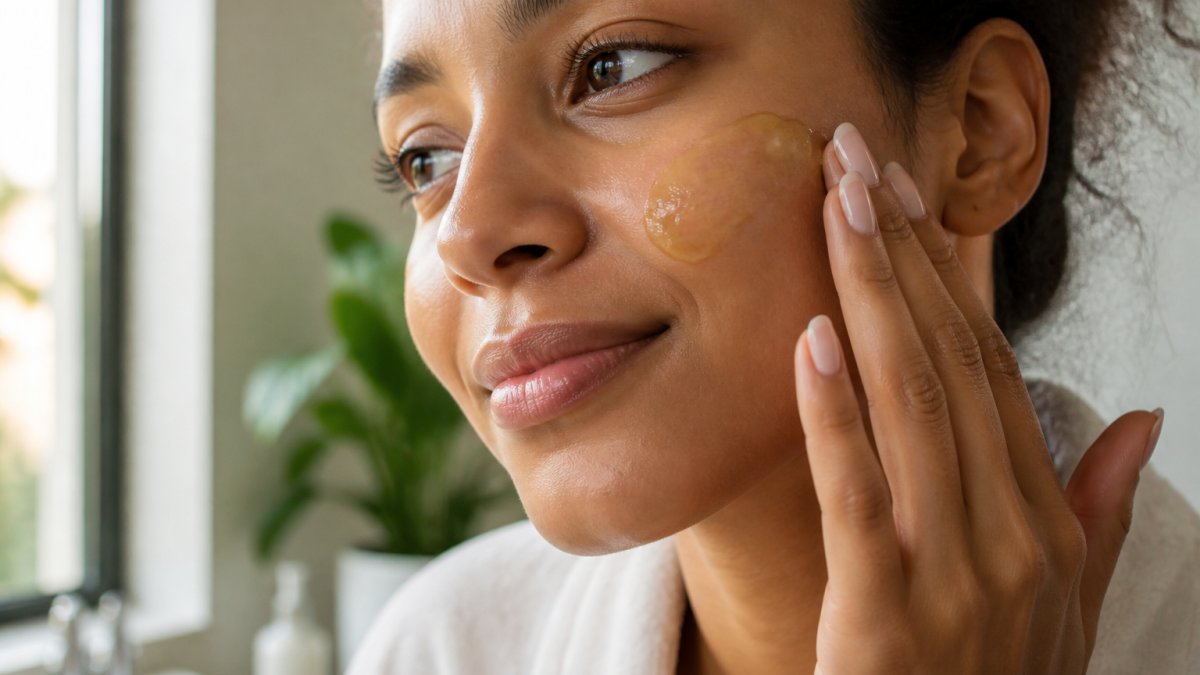
Effectiveness depends on formulation quality, concentration, processing methods, honey variety, and supporting ingredients, factors that determine whether a cream addresses wrinkles or merely moisturizes the surface.
Antioxidants and Free-Radical Protection
Honey's flavonoids and polyphenols neutralize free radicals that damage collagen and elastin. However, the gap between laboratory antioxidant capacity and actual skin benefit depends on formulation, concentration, and penetration, factors rarely discussed in marketing.
Antioxidant Capacity Varies Dramatically by Honey Type and Processing
Research from the National Institutes of Health on honey's antioxidant properties demonstrates that darker honey varieties contain higher concentrations of polyphenols compared to lighter varieties. Manuka honey, buckwheat honey, and other dark varieties show 2-3 times higher antioxidant activity than clover or acacia honey in laboratory assays. Raw, unheated honey retains more active compounds than pasteurized or processed versions, as heat degrades some polyphenols and enzymes.
Laboratory antioxidant capacity does not directly translate to skin benefit if active compounds cannot penetrate the skin barrier or reach cells where oxidative damage occurs.
Formulation Determines Actual Delivery and Efficacy
Several factors affect whether honey's antioxidants protect skin: Concentration (most creams contain 5-15% honey), emulsion chemistry (water-based formulations preserve better access), pH and stability (polyphenols degrade at high pH and with light/heat exposure), and penetration enhancers (humectants and mild exfoliants allow deeper penetration).
Surface Protection Versus Cellular Antioxidant Action
Honey-based creams create a protective barrier against UV exposure and pollution, intercepting surface free radicals. However, this surface protection differs from antioxidants reaching and protecting skin cells internally.
Most topical antioxidants have limited penetration depth. Studies show vitamin C penetrates only 20-30% into the epidermis; larger polyphenol molecules in honey likely penetrate even less.
Honey's antioxidant benefit is primarily cosmetic, reducing visible surface damage and preventing new damage, rather than deeply repairing cellular oxidative stress.
Complementary Role in Anti-Aging Formulas
Honey's antioxidants work best as part of a comprehensive anti-aging formula that includes other ingredients with proven penetration and cellular activity. Vitamin C serums, for example, deliver ascorbic acid that penetrates more effectively than honey's polyphenols. Retinoids trigger cellular antioxidant defenses (upregulating SOD and catalase production). Niacinamide strengthens the skin barrier, reducing free-radical entry.
Honey contributes surface antioxidant protection and barrier support through hydration. Combined with evidence-backed ingredients like vitamin C and retinoids, the synergy exceeds honey alone.
Honey as a Humectant for Skin Hydration
Honey functions as a humectant, drawing moisture to the skin surface and plumping it to reduce fine-line appearance. This hydration mechanism is one of honey's most reliable anti-aging benefits.
Honey's high sugar content creates an osmotic pull that attracts water molecules, maintaining skin barrier function and improving nutrient absorption from other anti-aging ingredients.
Apply honey skincare to slightly damp skin to trap more moisture.
Manuka Honey for Skin: A Stronger Formula
Manuka honey contains methylglyoxal (MGO) at concentrations 10-40 times higher than conventional honey, delivering stronger antimicrobial and anti-inflammatory effects for aging and active skin concerns.
The UMF (Unique Manuka Factor) rating indicates potency. UMF 10+ shows measurable skin repair benefits; UMF 15+ addresses severe damage and provides superior anti-aging results.
Skin Repair, Enzymes, and Natural Compounds
Honey's amino acids support collagen synthesis, providing building blocks for new collagen formation and counteracting age-related decline in elasticity and firmness.
Collagen & Snail Skincare Set-Complete Face & Body Kit (6-Piece Set) →
Honey for Wrinkles: What the Evidence Actually Shows
Honey for wrinkles delivers measurable but modest improvements in specific skin metrics, though the evidence for direct wrinkle reduction is weaker than marketing often implies. Understanding what research actually demonstrates, versus what remains unproven, is essential for realistic expectations.
Clinical research evaluates skin hydration, elasticity, and fine-line appearance. Studies show improvements after 2-8 weeks, but most rely on subjective visual assessment rather than high-resolution imaging. Improved hydration and elasticity can make fine lines appear less visible without actually reducing wrinkle depth.
Laboratory Evidence Versus Clinical Proof
In vitro (laboratory) studies demonstrate that honey's compounds, flavonoids, polyphenols, and enzymes, do interact with skin cells in ways that could theoretically support collagen production and reduce oxidative damage. These studies are valuable for understanding mechanism but do not prove that topical honey application produces these effects in living human skin at meaningful concentrations.
In vivo (human) studies show that honey-based products improve skin hydration and appearance. However, most lack the rigor of pharmaceutical trials: they often involve small sample sizes (20-50 participants), short durations (4-12 weeks), no true placebo control, and no blinding. This means improvements could partly reflect placebo effect, natural skin variation, or the hydrating effect of any moisturizer, not honey's unique properties.
Comparison with Established Anti-Aging Ingredients
Retinoids (prescription retinol and retinoids) have decades of clinical evidence showing measurable wrinkle reduction, increased collagen synthesis, and improved skin thickness in controlled trials with hundreds of participants over 12-24 weeks. Vitamin C serums show similar evidence for photoprotection and mild wrinkle improvement. Hyaluronic acid demonstrates strong hydration benefits comparable to honey's humectant action.
Honey's evidence base is substantially smaller. No large, double-blind, placebo-controlled trial has directly compared honey-based creams to retinoids or vitamin C for wrinkle reduction. The few head-to-head studies that exist typically pit honey against no treatment or basic moisturizer, not against established anti-aging gold standards. This doesn't mean honey is ineffective, it means the evidence for honey specifically reducing wrinkles is less robust than for prescription alternatives.
What Honey Realistically Delivers
The most honest assessment: honey-based anti-aging creams excel at hydration and prevention. They improve skin texture, reduce fine-line visibility through plumping, and provide antioxidant protection that may slow future damage. For existing deep wrinkles or severe photoaging, honey works best as a complementary ingredient in a formula that also includes retinol, peptides, or vitamin C, ingredients with stronger clinical support for wrinkle reduction.
Expect visible improvements in skin smoothness and hydration within 4-8 weeks of consistent use. Expect modest improvements in fine-line appearance. Do not expect honey alone to significantly reduce established deep wrinkles or reverse advanced sun damage. This is not a limitation of honey's quality; it reflects the biological reality that surface hydration and mild cellular turnover address fine lines more effectively than deep structural damage.
Honey Skincare Side Effects and Safety Considerations
Honey skincare side effects are generally minimal, but specific populations should exercise caution. The primary concern involves allergic reactions, individuals with pollen allergies or bee product sensitivities may experience irritation, redness, or swelling. Patch testing on a small area of skin before full application prevents adverse reactions.
Honey's antimicrobial properties occasionally trigger a temporary "purging" phase in sensitive skin. During this period, existing congestion may surface as small breakouts before skin clears. This is a normal detoxification response, not an allergic reaction, and typically resolves within one to two weeks of consistent use. Those with active acne or severely inflamed skin should introduce honey products gradually.
Safety considerations also include product freshness and storage. Honey-based skincare should be stored in cool, dark conditions to preserve active compounds. Exposure to heat or direct sunlight degrades enzymes and antioxidants, reducing effectiveness. Always verify that honey skincare products include proper preservation systems to prevent bacterial contamination, particularly in formulations without synthetic preservatives.
Choosing and Using Honey-Based Anti-Aging Products
Selecting effective honey anti-aging creams requires evaluating ingredient quality, honey type, and formulation completeness. Look for products that specify honey variety, raw honey, Manuka honey with UMF rating, or other named sources indicate quality consciousness. Vague labeling like "honey extract" or "honey powder" suggests lower-quality formulations.
Examine the ingredient list order. Honey should appear near the beginning if it's meant to deliver meaningful anti-aging benefits. Products listing honey far down the ingredient list contain minimal active compounds. FAITH & RICH's handcrafted honey-based soaps and toners prioritize honey concentration.
Integration into a skincare routine matters significantly. Apply honey-based products after cleansing but before heavier moisturizers to maximize humectant benefits. Use morning and evening for optimal results. Combine with sunscreen during the day to protect against free-radical damage that undermines anti-aging efforts. Consistency over time produces visible improvements, expect four to eight weeks before dramatic results in wrinkles or skin texture.
| Honey Type | Best For | Key Benefit | Typical Cost Per Ounce |
|---|---|---|---|
| Raw Honey | General anti-aging, sensitive skin | Enzyme preservation, gentle action | $8-15 |
| Manuka Honey (UMF 10+) | Active skin concerns + aging | Stronger repair, antimicrobial action | $15-25 |
| Manuka Honey (UMF 15+) | Severe wrinkles, stubborn damage | Maximum potency, fastest results | $25-40 |
| Processed Honey | Budget-conscious, basic hydration | Humectant only, minimal enzymes | $2-5 |
Honey in anti-aging creams delivers genuine skin benefits grounded in chemistry and biology, though results are modest compared to prescription treatments. The combination of hydration, antioxidant protection, and enzymatic skin repair makes honey a valuable ingredient for maintaining youthful-looking skin and preventing visible aging. At FAITH & RICH, we've built our honey-based skincare line, including our handcrafted honey-based soaps and toners, around these proven mechanisms. Our products are designed to enhance your natural beauty, fight blemishes, and reduce signs of aging. Explore FAITH & RICH's complete honey skincare collection and discover how natural ingredients can support your anti-aging routine while celebrating your skin's unique needs.
Frequently Asked Questions
Can honey reduce the appearance of wrinkles?
Honey supports skin hydration and contains antioxidants that may help protect skin from oxidative damage, which contributes to aging. However, research on honey's direct ability to reduce wrinkles is limited. Honey works best as part of a complete anti-aging routine rather than as a standalone wrinkle treatment. Its antioxidants and humectant properties help maintain skin moisture and protect against free radicals, which can slow visible signs of aging.
Is manuka honey better for skin than regular honey?
Manuka honey contains higher concentrations of methylglyoxal and other compounds that give it stronger antimicrobial and antioxidant properties compared to regular honey. This makes it particularly effective for cleansing and soothing skin. If you're targeting both aging and blemish-prone skin, manuka honey formulations may deliver more concentrated benefits.
How does honey help moisturize the skin?
Honey acts as a humectant, meaning it draws moisture from the air and deeper skin layers to the surface, helping your skin retain hydration. Its natural sugars create a concentration gradient that pulls water into the skin barrier. When applied topically in anti-aging creams, honey helps soften skin texture and improve suppleness. This hydration effect is one of honey's most reliable benefits for maintaining a youthful-looking complexion and reducing the appearance of fine lines caused by dryness.
Can honey cause irritation or allergic reactions on the face?
Most people tolerate honey well on the skin, but allergic reactions are possible, particularly for those with bee pollen allergies. Some individuals may experience irritation if honey is too concentrated or if they have very sensitive skin. Always patch-test a small amount on your inner arm first. If you have a history of allergies or extremely reactive skin, start with a low concentration honey product.


