

Does Natural Skincare Really Work? What Science Says

Table of Contents
- Does Natural Skincare Really Work? The Evidence
- Natural vs. Synthetic Skincare Efficacy: What the Data Shows
- Key Active Compounds in Natural Skincare That Deliver Results
- The Role of Preservatives and Stability in Natural Products
- How to Build a Natural Skincare Routine That Actually Works
- Common Myths vs. Scientific Reality in Natural Beauty
- Safety, Allergens, and Patch Testing for Natural Products
- Frequently Asked Questions
Last Updated: August 31, 2026
Does Natural Skincare Really Work? The Evidence
Natural skincare can work, but not because it's natural. At FAITH & RICH, we've examined what research actually shows versus marketing hype. The short answer: efficacy depends on concentration, formulation stability, absorption, and whether the product maintains potency on a shelf, not on whether ingredients are natural.

Turmeric contains curcumin, which research shows helps with inflammation and skin tone. Honey has antimicrobial properties. Lemon contains vitamin C, which supports collagen production. But presence of these compounds doesn't guarantee efficacy. A product can be entirely natural and completely ineffective, or entirely synthetic and work beautifully. The real question is whether the formulation delivers active compounds at concentrations high enough to produce measurable change.
Natural vs. Synthetic Skincare Efficacy: What the Data Shows
The distinction between "natural" and "synthetic" is largely irrelevant to whether a product improves your skin. A synthetic ingredient created in a laboratory can be chemically identical to a plant-derived version. Your skin doesn't know the difference. What matters is molecular structure and how it interacts with your skin barrier.
The real advantage of synthetic ingredients is stability and consistency. A lab-synthesized compound can be standardized: every batch contains exactly 5% retinol. Natural plant extracts vary by harvest, growing conditions, and processing methods, making results harder to predict.
Natural ingredients have legitimate advantages too. Many botanical extracts contain multiple bioactive compounds working together, called the "entourage effect." A turmeric extract contains not just curcumin but also other polyphenols that may enhance absorption or add complementary benefits.
A hybrid approach works best: use natural ingredients where their multi-compound profile adds value (botanical extracts, honey, plant oils) and synthetic actives where standardization matters most (preservatives, stabilized vitamin C, retinol derivatives). This is the philosophy behind FAITH & RICH's Turmeric Serum, which combines turmeric plant extract with a carefully formulated base designed to keep active compounds stable and bioavailable.

| Ingredient Type | Consistency | Stability | Absorption | Best Use |
|---|---|---|---|---|
| Natural extracts | Variable | Often degrades faster | Depends on formulation | Multi-benefit compounds |
| Synthetic actives | Standardized | Highly stable | Predictable | Single, potent actives |
| Hybrid formulations | Balanced | Good stability | Optimized | Comprehensive routines |
Key Active Compounds in Natural Skincare That Deliver Results
Not every plant extract in your skincare jar has clinical support. Here's what actually works:
Turmeric (curcumin) is one of the most researched natural compounds. Curcumin has demonstrated anti-inflammatory properties and can help reduce the appearance of dark spots and hyperpigmentation when used consistently. This is why FAITH & RICH developed both a Turmeric Face Cleanser and a Turmeric Serum. However, curcumin has poor bioavailability, your skin struggles to absorb it effectively. Proper formulation with penetration enhancers becomes essential.

Honey has antimicrobial and humectant properties. It draws moisture into the skin and can help prevent bacterial overgrowth. Evidence is solid for wound healing and acne management, though results are modest compared to prescription treatments.
Vitamin C from plant sources (like kakadu plum or rosehip) provides antioxidant benefits and supports collagen production. The challenge: vitamin C oxidizes rapidly when exposed to air or light. Stabilized synthetic forms often outperform natural sources because they resist degradation.
Lemon and citrus extracts contain vitamin C and brighten skin tone, but lemon is photosensitizing, it increases sun sensitivity. Using lemon-based skincare without strict SPF protection can worsen hyperpigmentation. The FAITH & RICH Turmeric & Lemon Body Oil includes both for brightening effects, but the formulation accounts for this risk through proper concentration and recommended usage.
Essential oils have antimicrobial properties but carry significant risk. Many essential oils are irritants at concentrations people assume are safe. Tea tree oil, lavender oil, and eucalyptus can trigger contact dermatitis, especially in sensitive skin.
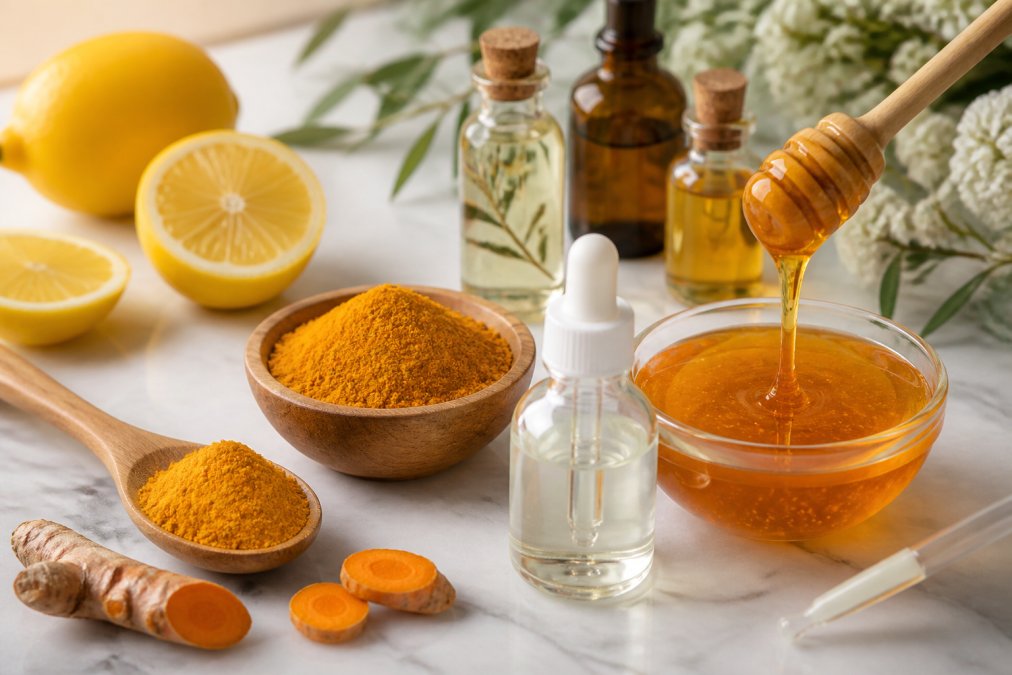
Natural ingredients with real evidence work best when formulated thoughtfully. Raw application often underperforms because concentration, stability, and delivery matter as much as the ingredient itself.
The Role of Preservatives and Stability in Natural Products
Water-based skincare creates an environment where bacteria and mold thrive. Without preservatives, a product becomes contaminated within days or weeks. This is basic microbiology, not marketing scare tactics.
Natural preservatives like essential oils, vitamin E, or rosemary extract have weak antimicrobial properties. They can't reliably prevent contamination across a product's shelf life. Many brands claiming "natural preservative systems" actually use synthetic preservatives at low concentrations alongside weak natural ones.
Effective preservatives are almost always synthetic. Phenoxyethanol, methylisothiazolinone, and parabens work because they're chemically stable and effective at low concentrations. They're also heavily tested and regulated.
The fear of parabens is largely overblown. Parabens mimic estrogen at extremely high doses in animal studies, but concentrations in skincare are far below those levels (the FDA). You consume more estrogenic compounds from soy and flax than you absorb through skincare. Parabens are actually one of the safest preservative options available, used for over 80 years.
Natural products that skip preservatives entirely typically rely on high alcohol content (which damages skin barrier), oil-based formulations (which limit ingredient diversity), or extremely short shelf lives (which makes them impractical). None of these are advantages.
Accept that preservatives are necessary. Choose products with proven safe preservatives rather than weak "natural" alternatives. This allows FAITH & RICH to offer handcrafted formulations with genuine active compounds that remain stable and safe throughout their shelf life.
How to Build a Natural Skincare Routine That Actually Works
Building a natural skincare routine that delivers results requires moving past ingredient lists and focusing on skin concerns, formulation quality, and consistency.
Step 1: Identify your primary skin concern. Are you addressing hyperpigmentation? Acne? Aging? Sensitivity? Natural skincare works best when targeted. If hyperpigmentation is your concern, you need turmeric, vitamin C, and sun protection. If acne is the issue, you need antimicrobial compounds and oil control.
Step 2: Choose a cleanser that matches your skin type. A gentle, natural cleanser like the FAITH & RICH Turmeric Face Cleanser removes impurities while providing anti-inflammatory benefits. Use the same cleanser twice daily so your skin adapts.
Step 3: Add a targeted serum or treatment. This is where your active ingredient goes. A turmeric serum like FAITH & RICH's Turmeric Serum applied after cleansing allows the active compound to penetrate when your skin is most receptive. Apply to damp skin and wait 2-3 minutes before adding other products.
Step 4: Use a moisturizer appropriate to your skin type. Even oily skin needs moisture. A lightweight oil like the FAITH & RICH Castro Oil works for many skin types because it provides hydration without clogging pores. Apply to damp skin to seal in moisture.
Step 5: Apply SPF every morning. This is non-negotiable for any skincare routine addressing hyperpigmentation, aging, or sensitivity. Use a broad-spectrum SPF 30 minimum, reapply every two hours if you're outside.
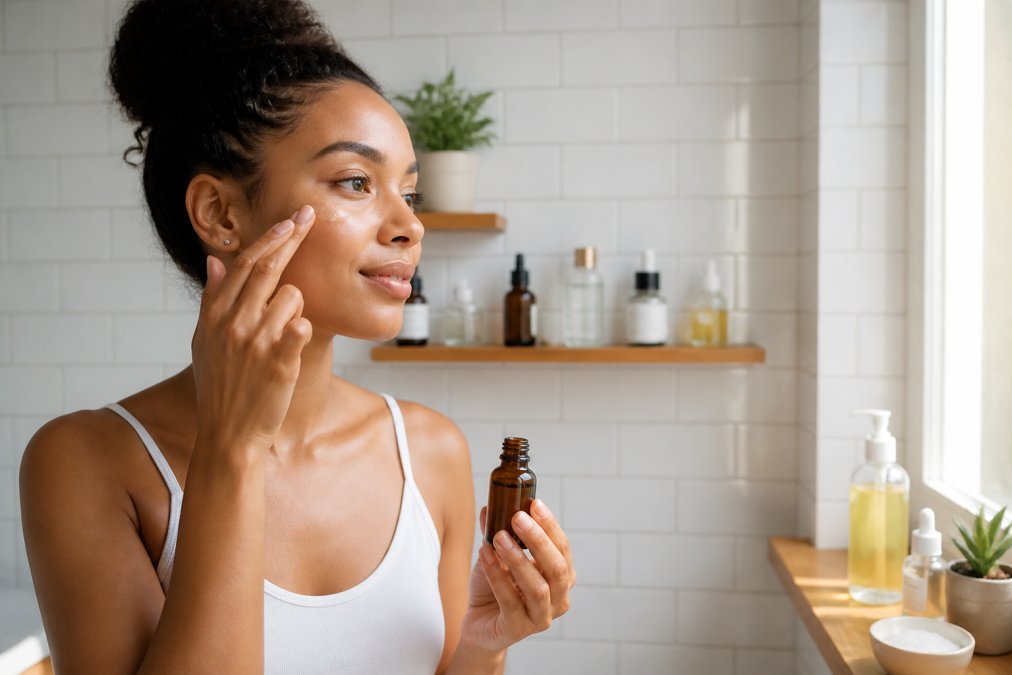
Consistency timeline. Most active ingredients require 4-12 weeks of consistent use before visible results appear. Turmeric for hyperpigmentation typically shows changes around week 6-8 of daily use. Commit to a routine for at least 8 weeks before evaluating whether it's working.
Patch testing for sensitivity. Before committing to a full routine, test each new product on a small area of skin (behind your ear, inner arm, or jawline). Wait 24-48 hours to check for allergic reactions or irritation.
Common Myths vs. Scientific Reality in Natural Beauty
Myth: "All-natural products are safer than synthetic ones." Reality: Safety depends on the compound, not its origin. Poison ivy is natural and extremely dangerous. Aspirin is synthetic and generally safe. Allergic reactions happen with natural ingredients all the time, chamomile, lavender, and tea tree oil are common culprits.
Myth: "Your skin absorbs 60% of what you apply." Reality: Skin is a barrier designed to keep things out. Most topical skincare ingredients absorb at 5-15%, depending on molecular size and formulation (peer-reviewed research). This means you need sufficient concentration for an ingredient to make a difference.
Myth: "Natural products don't have side effects." Reality: Any active ingredient can cause side effects. Turmeric can stain skin yellow at high concentrations. Vitamin C can irritate sensitive skin. Lemon increases photosensitivity. Honey can trigger allergic reactions in people with pollen sensitivities.
Myth: "Handcrafted products are more effective than mass-produced ones." Reality: Consistency matters more than craft. A handcrafted batch made with passion but no quality control can vary wildly. A mass-produced product with rigorous testing delivers the same formulation every time. FAITH & RICH's handcrafted approach works because it combines artisanal care with quality standards.
Myth: "If a product feels luxurious, it's working." Reality: Texture and efficacy are unrelated. A lightweight serum might contain more active compounds than a rich cream. Judge effectiveness by measurable changes over weeks, not by how the product feels.
Myth: "Organic certification means the product is better for your skin." Reality: Organic certification indicates farming practices, not skincare efficacy. An organic ingredient isn't more effective than a conventionally grown one if they're chemically identical.
Safety, Allergens, and Patch Testing for Natural Products
Natural skincare works safely only when you understand your skin's specific sensitivities and test products before full application.
Common allergens in natural skincare include essential oils (especially lavender, tea tree, and eucalyptus), botanical extracts (chamomile, arnica, calendula), honey, and citrus. These trigger contact dermatitis in a meaningful percentage of the population.
Patch testing protocol: Apply a small amount of the product to clean skin behind your ear or on your inner arm. Cover with a bandage if possible. Wait 24-48 hours without washing that area. If you see redness, itching, swelling, or burning, you've identified an allergen.
Photosensitivity risk applies to citrus extracts, some essential oils, and certain botanical compounds. If you use a product containing photosensitizing ingredients, you must apply SPF 30+ every morning and reapply every two hours if you're outside.
Ingredient stability and contamination matter for safety. Products with weak preservative systems can develop bacterial or fungal growth. Discard any product showing visible discoloration, separation, unusual odor, or texture changes.
Concentration safety. Just because turmeric is safe doesn't mean undiluted turmeric oil on your face is safe. A properly formulated product like FAITH & RICH's turmeric-based skincare uses therapeutic concentrations within safe limits.
Natural skincare works when formulated with intention, tested for your specific skin, and used consistently. The challenge isn't finding natural ingredients, it's finding formulations where those ingredients are present at effective concentrations, stabilized properly, and matched to your actual skin concerns. Skip the marketing narratives about purity and embrace the science of what actually changes your skin.
At FAITH & RICH, we've built our skincare line around this principle: natural ingredients matter, but only when they're formulated to deliver. Our Turmeric Serum, Turmeric Face Cleanser, and Turmeric & Lemon Body Oil combine plant-derived actives with formulation science to address hyperpigmentation, uneven tone, and aging. Explore our collection and discover which products align with your skin's needs.
Frequently Asked Questions
Q: Are natural skincare ingredients scientifically proven to work?
A: Yes, many natural ingredients have clinical evidence supporting their efficacy. Turmeric contains curcumin, which research shows reduces hyperpigmentation and supports skin barrier health. Plant-derived compounds like botanical extracts deliver measurable results when formulated correctly. However, efficacy depends on concentration, bioavailability, and how the ingredient is processed. Not all natural products are equally effective, look for brands that provide evidence-based formulations rather than relying on marketing claims alone.
Q: How does natural skincare compare to synthetic alternatives in terms of results?
A: Natural and synthetic skincare can deliver comparable results when properly formulated. The key difference lies in stability and shelf life. Synthetic alternatives often include lab-synthesized preservatives that extend product lifespan, while natural products require careful formulation to prevent microbial contamination and oxidization. Both can address concerns like uneven skin tone and blemishes, what matters most is the active compound concentration, your skin type, and consistent use.
Q: What should I look for when choosing a natural skincare product?
A: Look for products with specific active compounds backed by clinical efficacy data, not vague marketing claims. Verify that the brand uses appropriate preservatives, natural products still need these to prevent contamination. Examine ingredient stability and shelf life guidance. For concerns like hyperpigmentation, seek products with proven ingredients like turmeric or vitamin C. Reputable brands like FAITH & RICH provide transparency about formulation and ingredient sourcing, helping you make informed decisions.
Q: Can natural skincare cause allergic reactions or contact dermatitis?
A: Yes, natural products can trigger allergic reactions and contact dermatitis, just like synthetic ones. Some people react to botanical extracts, essential oils, or specific plant compounds. Perform a patch test on a small area of skin before full application. If you have sensitive skin or a history of allergic reactions, start with products containing fewer ingredients. Natural doesn't mean hypoallergenic or non-toxic for everyone. Ingredients like honey, turmeric, and lemon can irritate certain skin types. Always read ingredient lists carefully and consult a dermatologist if you have persistent skin sensitivity.
This article was written using GrandRanker


