

Safe Natural Alternatives to Chemical Peels

Table of Contents
- Why Women Are Seeking Natural Alternatives to Chemical Peels
- Natural Exfoliants for Face: Enzymes, Acids, and Physical Options
- Gentle Exfoliation for Sensitive Skin: What Actually Works
- At-Home Chemical Peel Risks: Why DIY Peels Can Backfire
- How Often to Exfoliate Face Without Damaging Your Barrier
- Comparison Table: Natural Alternatives vs. Chemical Peels
- Building a Gentle Routine with Turmeric-Based Natural Alternatives
- Conclusion: Choosing the Right Path for Your Skin
- Frequently Asked Questions
Last Updated: October 6, 2026
Why Women Are Seeking Natural Alternatives to Chemical Peels
Many women are looking for safe natural alternatives to chemical peels after hearing about irritation, peeling, and downtime. This guide from FAITH & RICH breaks down what actually works, what to avoid, and how to build a routine that respects your skin barrier.
Chemical peels use acids like glycolic acid, salicylic acid, or trichloroacetic acid to strip away dead skin cells. The results can be impressive for uneven skin tone, acne scars, and hyperpigmentation. But the trade-offs matter: redness, peeling, sun sensitivity, and a risk of skin damage if your skin barrier is already compromised.
Natural alternatives work differently. Instead of forcing skin to shed, they support its own renewal process. Fruit enzymes, gentle physical exfoliants, and plant-based ingredients can improve skin texture over time without the same level of irritation risk.
The catch? "Natural" does not automatically mean safe. Some homemade peels cause chemical burns. Some fruit acids are still acids. Below, we explain how to tell the difference and which options genuinely deliver results.
Natural Exfoliants for Face: Enzymes, Acids, and Physical Options
"Natural" describes where an ingredient comes from, not how it works on skin. That distinction matters, because most so-called natural exfoliants still loosen dead cells through biology or chemistry, the same broad mechanism a chemical peel uses, just at a far gentler dose.
Enzyme exfoliation (biological). Fruit enzymes such as papain (papaya), bromelain (pineapple), and actinidin (kiwi) are proteolytic, they break the protein bonds holding dead keratinocytes together.
Gentle acids (chemical). Mandelic acid, lactic acid, and low-concentration salicylic acid are chemical exfoliants regardless of whether they are derived from almonds, sour milk, or willow bark. What separates them from a peel-strength glycolic or trichloroacetic acid is molecule size and concentration.
Physical exfoliation (mechanical). Cellulose beads, jojoba esters, soft konjac sponges, and cleansing cloths lift dead cells by friction. They work immediately, which is their appeal and their risk, pressure and particle shape, not the ingredient, determine whether you get smooth skin or micro-tears.
- Papaya and pineapple enzymes: dullness and surface texture, no downtime, best for sensitive skin
- Mandelic acid: acne and uneven tone, larger molecule, often better tolerated on deeper skin tones
- Lactic acid: dryness plus mild texture, more hydrating than glycolic
- Cellulose or jojoba-based scrubs: occasional use only, skip on active breakouts
A quick rule for reading labels: if an ingredient's job is to dissolve the glue between dead cells, it is exfoliating chemically or biologically, call it natural or not. American Academy of Dermatology guidance on exfoliation notes that over-exfoliation damages the skin barrier regardless of whether the method is natural or synthetic.
Gentle Exfoliation for Sensitive Skin: What Actually Works
Gentle exfoliation for sensitive skin means choosing methods that remove dead skin cells without triggering redness, stinging, or peeling. Less is genuinely more here.
A common mistake is treating sensitive skin like resilient skin, just with milder products. That approach still leads to irritation. Instead, sensitive skin needs fewer exfoliation sessions and ingredients that calm rather than strip.
What tends to work:
- Enzyme masks used once every 7-10 days
- Soft konjac sponges with a gentle cleanser
- Toners with anti-inflammatory ingredients like turmeric
- Avoiding physical scrubs with rough particles
What tends to backfire:
- Daily use of any exfoliant
- Combining multiple exfoliating products in one routine
- Using exfoliants on active breakouts or broken skin
If your skin stings when you apply moisturizer, that is a sign your barrier needs a break. Pause exfoliation for a week and focus on hydration.
At-Home Chemical Peel Risks: Why DIY Peels Can Backfire
At-home chemical peel risks are higher than most people expect. A 2026 analysis from Reuters health reporting on cosmetic procedures highlighted a rise in injuries from unregulated at-home peel kits.
The main dangers:
- Chemical burns from incorrect acid concentrations
- Hyperpigmentation that is worse than the original concern, especially on deeper skin tones
- Skin barrier damage that takes weeks to repair
- Scarring when peels are applied to active acne
Homemade peels are especially risky. Lemon juice, baking soda, and vinegar combinations have no standardized strength. A "gentle" DIY peel can still cause a chemical burn if left on too long.
Professional treatments at a med spa use controlled formulations and a trained provider who can neutralize the acid. At-home peels remove that safety net.
How Often to Exfoliate Face Without Damaging Your Barrier
How often to exfoliate face depends on your method and skin type, but most dermatologists suggest no more than two to three times per week for gentle exfoliants.

Here is a practical breakdown:
| Skin Type | Method | Frequency |
|---|---|---|
| Sensitive | Enzyme mask | Once every 7-10 days |
| Normal | Gentle acid toner | 2-3 times per week |
| Oily | Salicylic or mandelic acid | 3 times per week |
| Dry | Soft physical exfoliant | Once per week |
| Acne-prone | Mandelic acid | 2 times per week |
Signs you are exfoliating too often:
- Persistent redness or stinging
- Flaking that does not resolve with moisturizer
- New sensitivity to products you previously tolerated
- Breakouts along the jawline or cheeks
If any of these appear, cut back to once per week or pause entirely for 10 days.
Comparison Table: Natural Alternatives vs. Chemical Peels
Most roundups compare products. This one compares mechanisms, because that is what determines whether an option is actually gentler, and who should avoid it. The table below sorts common alternatives by how they exfoliate, the evidence behind them, typical downtime, and the skin types or tones that need extra caution. Costs are shown as ranges because at-home products vary widely and professional pricing depends on your provider and region.
| Option | Mechanism | Evidence Level | Typical Downtime | Best For | Use Caution If |
|---|---|---|---|---|---|
| Enzyme mask (papain, bromelain) | Biological, breaks down dead-cell proteins | Limited but consistent for surface texture | None | Sensitive skin, dullness, first-time exfoliators | You have a known fruit allergy |
| Mandelic acid | Chemical, large-molecule AHA | Moderate for acne and uneven tone | Minimal (transient tingling) | Acne-prone skin, deeper skin tones | You are layering with retinoids or other acids |
| Lactic acid | Chemical, larger, hydrating AHA | Moderate for texture and dryness | Minimal | Dry or reactive skin | You have active eczema flares |
| Salicylic acid (low %) | Chemical, BHA, oil-soluble | Strong for clogged pores and mild acne | Minimal | Oily, acne-prone skin | You are pregnant or breastfeeding, ask a clinician first |
| Physical scrub (cellulose, jojoba) | Mechanical, friction | Limited; risk scales with pressure | None | Occasional maintenance on normal skin | You have active breakouts or broken skin |
| Turmeric-based toner or serum | Non-exfoliating, antioxidant and anti-inflammatory support | Emerging; best framed as soothing, not resurfacing | None | Dullness, redness, routine support | You have a turmeric or related-spice allergy |
| Professional chemical peel | Chemical, controlled acid at clinical strength | Strong for pigmentation and scarring | 3-7 days of peeling and redness | Stubborn pigmentation, acne scars | You have a compromised barrier or recent sun exposure |
Three things this table makes clear that a product roundup usually hides:
1. "Natural" and "gentle" are not the same axis. A turmeric toner is natural and non-exfoliating; mandelic acid is a chemical exfoliant that many people tolerate better than a scrub. Judge each option on mechanism and dose, not on the label.
2. Evidence is uneven. Enzyme masks and turmeric have thinner clinical literature than salicylic acid or professional peels, which does not make them useless, it means expectations should be modest and timelines longer. A reasonable rule: the gentler the mechanism, the more weeks you should allow before judging results.
3. Skin tone changes the risk calculus. Deeper skin tones are more prone to post-inflammatory hyperpigmentation after any irritation, including from over-scrubbing or a too-strong at-home acid. For those tones, slow-acting, large-molecule options and non-exfoliating support are usually the safer starting point, and a dermatologist's input is worth seeking before stronger acids.
For most people dealing with dullness or early uneven tone, the realistic middle path is a non-exfoliating, antioxidant-forward routine (like a turmeric-based toner or serum) plus one gentle exfoliant used every 7-10 days. That combination supports cell turnover gradually without the recovery time of a peel, and without pretending the natural option is risk-free.
Building a Gentle Routine with Turmeric-Based Natural Alternatives
A gentle routine with turmeric-based natural alternatives works best when it is simple. Four steps, done consistently, beat ten products used sporadically.
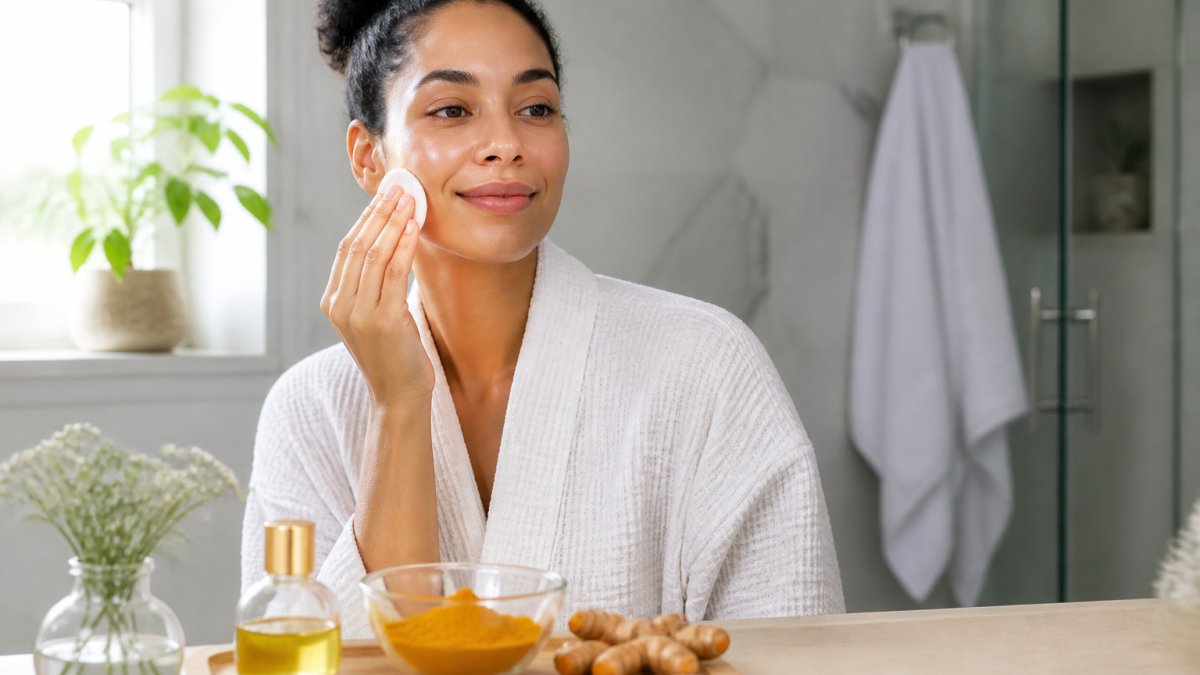
Step 1: Cleanse. Use a turmeric face cleanser to remove dirt and impurities without stripping. Our Turmeric Face Cleanser leaves skin refreshed and purified.
Step 2: Tone. Apply a turmeric-based toner with a cotton pad. Our Turmeric Toner helps reduce inflammation, even skin tone, and minimize pores.
Step 3: Treat. Follow with a turmeric serum to promote healthy cell turnover and balance oil. Our Turmeric Serum supports the skin's natural radiance.

Step 4: Moisturize. Seal everything in with a hydrating moisturizer. If fine lines are a concern, swap in our Whitening Plant Essence Toner as your first step to deliver deep hydration.
Run this routine daily. Add a gentle enzyme mask once every 7-10 days for extra exfoliation.
Conclusion: Choosing the Right Path for Your Skin
Stubborn hyperpigmentation and uneven skin tone can feel impossible to fix without harsh peels. The good news is that safe natural alternatives to chemical peels can deliver real improvement when used consistently and with realistic expectations.
At FAITH & RICH, we built our turmeric-based line for women who want visible results without the redness, peeling, and downtime of acid treatments. Our Turmeric Toner, Turmeric Serum, and Turmeric & Lemon Set work together to fade dark spots, calm inflammation, and support your skin's natural renewal.
Explore the full FAITH & RICH skincare collection and start a routine that respects your skin barrier while still going after the results you want.
Frequently Asked Questions
What can I do instead of a chemical peel?
You can try gentle enzyme exfoliants, turmeric-based toners, or hydrating masks that support skin renewal without harsh acids. Natural alternatives like turmeric and lemon gently exfoliate and brighten over time. For sensitive skin, start with a mild cleanser and a toner containing antioxidants. Always patch-test new products and introduce them slowly to avoid irritation.
Can I do a chemical peeling at home naturally?
You can create a gentle at-home exfoliating routine using natural ingredients, but avoid attempting a true chemical peel at home. DIY peels with high concentrations of acids can cause burns, scarring, or hyperpigmentation. Instead, use products with natural exfoliants like papaya enzymes or mild fruit acids. These offer gradual improvement with far less risk than professional-strength peels.
How often should I exfoliate my face if I have sensitive skin?
For sensitive skin, exfoliate once or twice a week with a gentle, non-abrasive product. Over-exfoliating can damage your skin barrier, leading to redness and irritation. Start with one application per week and monitor your skin's response. If you experience stinging or flaking, reduce frequency. A turmeric-based toner used daily can provide mild exfoliation without the need for harsh scrubs.
What should I avoid after exfoliating my skin?
After exfoliating, avoid direct sun exposure, harsh scrubs, and products with high concentrations of alcohol or acids. Your skin is more vulnerable, so use a broad-spectrum sunscreen daily. Skip retinoids or strong acne treatments for at least 24 hours. Instead, apply a soothing moisturizer and keep your routine simple to let your skin recover.
When should I ask a dermatologist about a chemical peel alternative?
Consult a dermatologist if you have persistent acne scars, deep hyperpigmentation, or if your skin reacts poorly to over-the-counter exfoliants. A doctor can assess your skin type and recommend safe professional treatments or prescribe alternatives. If you notice signs of infection, severe redness, or blistering after any exfoliation, seek medical advice promptly.


