

Natural Hyperpigmentation Treatment for Pregnancy: Safe Steps

Table of Contents
- Understanding Hyperpigmentation During Pregnancy
- Pregnancy Safe Skincare for Melasma: What Ingredients Actually Work
- Vitamin C for Pregnancy Hyperpigmentation: Benefits and Safety
- How to Prevent Pregnancy Mask: Daily Habits and Sun Protection
- Building Your Safe Skincare Routine: Step-by-Step
- Post-Partum Transition: Managing Hyperpigmentation After Pregnancy
- When to Consult a Dermatologist
- Frequently Asked Questions
Last Updated: September 22, 2026
Understanding Hyperpigmentation During Pregnancy
Hyperpigmentation during pregnancy (melasma or chloasma) occurs when hormonal changes increase melanin production, causing darker patches on the face, neck, and sun-exposed areas. Elevated estrogen and progesterone trigger skin cells to produce more pigment. The good news is that natural hyperpigmentation treatment for pregnancy safe approaches can manage this concern without risking your baby's health.
Pregnancy Safe Skincare for Melasma: What Ingredients Actually Work
When pregnant, not every skincare ingredient is safe. Finding pregnancy safe skincare for melasma requires understanding both individual ingredients and how to layer them safely.
Safe ingredients to look for:
- Azelaic acid (reduces tyrosinase inhibition safely; typically 10-20% concentration in products)
- Niacinamide (brightens skin without systemic absorption; 4-5% is standard in serums)
- Turmeric (natural antioxidant with anti-inflammatory properties; curcumin is the active compound)
- Kojic acid in low concentrations (generally recognized as safe below 2% in leave-on products)
- Vitamin C in stable forms (supports skin brightening; L-ascorbic acid at 10-20% is most effective, but liposomal or stabilized forms reduce irritation)
- Lemon extract (naturally lightens hyperpigmentation; use in diluted formulations, not raw juice)
Ingredients to avoid during pregnancy: Hydroquinone, tretinoin, and other retinoids can cross the placental barrier and pose risks to fetal development. Salicylic acid at high concentrations (above 2%) and benzoyl peroxide are also not recommended during pregnancy.
Safe ingredient layering: What works together and what doesn't
One of the biggest sources of confusion for pregnant women is whether brightening ingredients can be used together. The answer is yes, but with specific guidelines.
Azelaic acid + Niacinamide: Apply azelaic acid first (lower pH), wait 1-2 minutes, then layer niacinamide. This pairing reduces melanin production, strengthens skin barrier, and is gentle for sensitive pregnancy skin.
Vitamin C + Azelaic Acid: Use vitamin C in the morning and azelaic acid in the evening, their different optimal pH levels reduce efficacy when layered together.
Turmeric + Lemon Extract: Use only in evening routines (lemon is photosensitizing). Follow with a rich moisturizer, as the combination can be drying.
Niacinamide + Turmeric: Safe to layer. Niacinamide calms any irritation turmeric might cause and enhances barrier function. This is an excellent pairing for sensitive, pregnancy-prone skin.
Combinations to avoid:
Kojic Acid + Vitamin C: Use separately, kojic acid degrades when combined with vitamin C. Apply vitamin C in the morning, kojic acid at night.
High-concentration Azelaic Acid + Lemon Extract: Avoid combining these; use in separate routines or skip lemon extract entirely.
Multiple Brightening Actives in One Routine: Use only one primary brightening ingredient per routine, supported by niacinamide and moisturizer. Pregnant skin is more reactive due to hormonal changes.
Concentration matters for safety:
During pregnancy, lower concentrations of active ingredients are preferable. A 10% vitamin C serum is safer and often just as effective as 20% for melasma. Azelaic acid at 10-15% is gentler than clinical-strength 20% formulations. Kojic acid should not exceed 2% in leave-on products. Always check product labels for exact concentrations before purchasing.
Patch testing protocol:
Patch test any new product on a small area for 24 hours before full application. Introduce multiple products one at a time, spacing them 7-10 days apart to identify irritation sources.
Vitamin C for Pregnancy Hyperpigmentation: Benefits and Safety
Vitamin C for pregnancy hyperpigmentation inhibits tyrosinase, the enzyme responsible for melanin production. Use stable forms like ascorbic acid or liposomal delivery systems, which improve absorption while reducing irritation to sensitive skin.
Lemon's vitamin C combined with turmeric addresses dark spots and uneven tone. Vitamin C for pregnancy hyperpigmentation supports antioxidant defenses and protects against UV damage. Most women see improvements within 4-6 weeks of consistent use.
How to Prevent Pregnancy Mask: Daily Habits and Sun Protection
The best approach to managing hyperpigmentation is prevention. How to prevent pregnancy mask requires both external protection and internal factors most guides overlook.
External prevention: Sun protection and daily habits
- Apply mineral-based sunscreen with SPF 30+ every single day, even on cloudy days
- Wear wide-brimmed hats when spending time outdoors (at least 3 inches of brim coverage)
- Avoid peak sun hours (10 AM to 4 PM) when possible
- Use antioxidant serums in the morning before sunscreen
- Avoid harsh exfoliants that can trigger inflammation and worsen melasma
Mineral sunscreen with zinc oxide or titanium dioxide reflects UV rays without chemical absorption, making it safest during pregnancy. Reapply every 2 hours outdoors or after swimming, even on cloudy days.
Internal prevention: Nutrition, hydration, and hormonal balance
Internal factors, nutrition, hydration, and stress, directly influence melanin production and skin barrier function, reducing hyperpigmentation severity.
Hydration and skin barrier function: Aim for 80-100 ounces of water daily during pregnancy. Proper hydration supports melanin regulation and skin repair; many women notice reduced dark patch intensity within 2-3 weeks.
Antioxidant-rich foods and melanin inhibition: Include vitamin C sources (citrus, peppers, berries), polyphenol-rich foods (berries, green tea, leafy greens), turmeric and ginger, and folate-rich foods (leafy greens, legumes). These inhibit tyrosinase and support skin health.
Iron and B-vitamin status: Iron deficiency impairs oxygen delivery to skin cells, worsening hyperpigmentation. B vitamins regulate homocysteine; deficiencies increase inflammation and melanin production. Ask your healthcare provider to check levels if experiencing severe melasma.
Limiting inflammatory triggers: Reduce high-sugar foods, excessive caffeine, and processed omega-6 foods. Increase omega-3 sources (salmon, walnuts, flaxseeds) and anti-inflammatory foods to create an environment less conducive to melasma.
Stress, sleep, and hormonal regulation
Stress and poor sleep directly increase cortisol and estrogen levels, both of which trigger melanin production. During pregnancy, hormonal fluctuations are already driving melasma; adding stress amplifies the effect.
- Aim for 7-9 hours of sleep nightly (value is what Coveo indexes and uses as the title in Search Results.--> <title>Sleep...). Sleep deprivation increases cortisol and impairs skin barrier repair. Many women notice melasma worsens during periods of poor sleep.
- Practice stress-reduction techniques: Gentle yoga, meditation, or 20-30 minutes of walking daily reduce cortisol and support hormonal balance. These activities also improve circulation, which enhances skin health.
- Avoid overheating: Pregnancy increases body temperature, and overheating can trigger melasma flare-ups. Keep your environment cool, wear breathable fabrics, and avoid hot baths (lukewarm is safer during pregnancy anyway).
Combining internal and external prevention
The most effective strategy combines daily mineral sunscreen, antioxidant-rich nutrition, hydration, stress management, and sleep. Women addressing all factors see 30-40% less severe melasma. Start with sun protection, then gradually optimize nutrition and lifestyle.
Building Your Safe Skincare Routine: Step-by-Step
Creating a natural hyperpigmentation treatment for pregnancy safe routine doesn't require complicated steps. A simple, consistent approach works better than adding too many products at once.
Step 1: Cleanse gently (morning and night) Use a mild, fragrance-free cleanser. Avoid scrubs or chemical exfoliants that can irritate pregnancy-sensitive skin. Pat dry gently without rubbing.

Step 2: Apply antioxidant serum (morning) Use a vitamin C serum or turmeric-based serum to provide brightening benefits. These antioxidants protect your skin from environmental damage throughout the day.
Step 3: Moisturize (morning and night) Apply a pregnancy-safe moisturizer to maintain your skin barrier. A healthy barrier prevents irritation and supports your skin's natural healing processes.
Step 4: Apply sunscreen (morning only) Use mineral-based sunscreen with SPF 30+ as your final morning step. This is the most critical step for preventing worsening of hyperpigmentation.
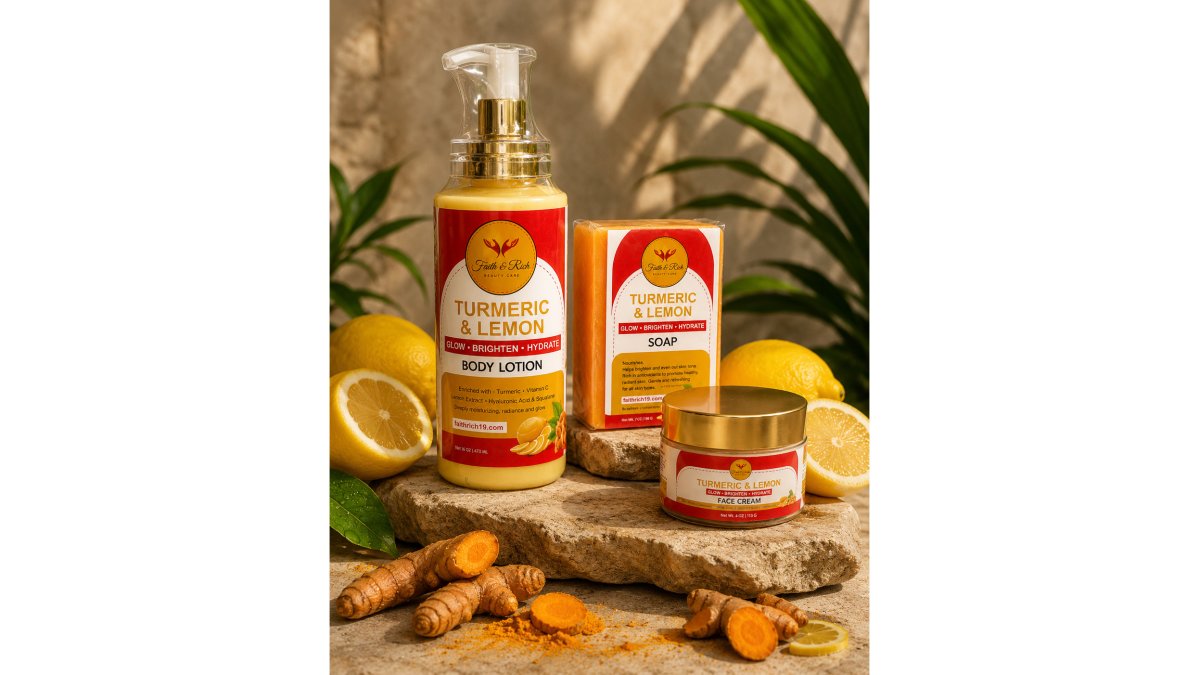
Step 5: Use brightening treatment at night Apply a natural brightening product like the FAITH & RICH Turmeric Lemon Set ($34.99) in the evening.
Post-Partum Transition: Managing Hyperpigmentation After Pregnancy
After delivery, your hormones begin to normalize. This hormonal shift affects how your skin responds to brightening treatments. Many women see improvement in melasma within 3-6 months postpartum as estrogen and progesterone levels decline.
Post-partum skincare adjustments:
- Continue daily mineral sunscreen (UV damage is permanent)
- Introduce gentle chemical exfoliants like azelaic acid
- Add retinol products if breastfeeding has ended
- Consider professional treatments like laser therapy if needed
- Maintain antioxidant serums for ongoing protection
When to Consult a Dermatologist
While natural hyperpigmentation treatment for pregnancy safe options work well for many women, some situations require professional guidance. Knowing when to seek dermatological advice prevents complications and ensures you're using the safest approach.
Consult a dermatologist if:
- Hyperpigmentation worsens despite consistent treatment
- You develop new patches of darkening
- The condition causes emotional distress
- You're unsure about ingredient safety
- You experience skin irritation or allergic reactions
- The darkening doesn't improve 6 months postpartum
Frequently Asked Questions
What natural ingredients are safe for hyperpigmentation during pregnancy?
Turmeric, vitamin C (ascorbic acid), niacinamide, azelaic acid, and kojic acid are natural ingredients considered safe for treating hyperpigmentation during pregnancy. Turmeric reduces inflammation and fades dark spots, while vitamin C brightens skin tone. Always patch test first and consult your dermatologist before introducing new ingredients, especially during pregnancy when skin sensitivity may increase.
Is vitamin C safe for hyperpigmentation while pregnant?
Yes, vitamin C is generally recognized as safe for pregnancy-related hyperpigmentation when used in appropriate concentrations. It inhibits tyrosinase, the enzyme responsible for melanin production, helping to brighten dark spots and even skin tone. Look for stabilized forms like ascorbic acid or liposomal delivery systems for better absorption and safety.
How do you get rid of pregnancy mask naturally?
Pregnancy mask (melasma or chloasma) responds best to a multi-step approach: use broad-spectrum mineral sunscreen daily with zinc oxide or titanium dioxide to prevent worsening, incorporate brightening agents like turmeric and vitamin C into your routine, and avoid known triggers like hormonal fluctuations and excessive sun exposure. Consistency matters more than speed, most women see gradual improvement over 2-3 months.
When should I see a dermatologist about pregnancy hyperpigmentation?
Consult a dermatologist if hyperpigmentation spreads rapidly, doesn't respond to natural treatments after 3 months, causes significant emotional distress, or appears alongside other skin changes. A dermatologist-approved assessment ensures your condition isn't masking another issue and can recommend pregnancy-safe professional treatments if needed.


