

Is Royal Jelly Good for Fine Lines and Wrinkles?

Table of Contents
- What Royal Jelly Actually Does for Your Skin
- Royal Jelly Skincare Benefits: Collagen, Elasticity, and Hydration
- How to Use Royal Jelly for Anti-Aging: A Practical Routine
- Royal Jelly Side Effects on Skin: Allergies, Patch Tests, and Storage
- Pros and Cons of Royal Jelly for Fine Lines and Wrinkles
- Royal Jelly vs. Collagen and Snail-Based Skincare: Where Each One Wins
- Frequently Asked Questions
Last Updated: September 28, 2026
What Royal Jelly Actually Does for Your Skin
Royal jelly is a nutrient-dense secretion produced by worker honeybees to feed their queen, rich in proteins, amino acids, fatty acids, vitamins, and bioactive compounds. That composition is why so many ask: is royal jelly good for fine lines and wrinkles? The short answer: it shows real promise, but results depend on formulation and use.
The Bioactive Compounds Behind the Hype
The ingredient's reputation rests on its peptide profile and bioactive compounds. Its amino acids, fatty acids, and vitamins support cellular regeneration and maintain the skin's lipid content, keeping the moisture barrier intact.
Royal Jelly Skincare Benefits: Collagen, Elasticity, and Hydration
Royal jelly skincare benefits come down to three mechanisms: supporting collagen, fighting oxidative stress, and holding moisture in the skin. Each one addresses a different part of how fine lines and wrinkles form.
Collagen Synthesis and Skin Firmness
Collagen synthesis is how your body builds the structural protein that keeps skin firm. Royal jelly supplies amino acids that feed this process, and consistent use may support skin elasticity over time.
Antioxidants, Free Radical Damage, and Photoaging
Antioxidants in royal jelly help neutralize free radical damage, everyday stress from sun and pollution that breaks down collagen and speeds up photoaging. By reducing oxidative stress, it supports skin barrier repair and defends against UV-triggered hyperpigmentation.
How to Use Royal Jelly for Anti-Aging: A Practical Routine
Learning how to use royal jelly for anti-aging starts with a simple rule: apply it to clean skin, layer it under moisturizer, and never skip sunscreen. The ingredient is a supporting player, not a standalone treatment. What separates a routine that works from one that stalls is placement, concentration, and pairing.
- Cleanse with a gentle, non-stripping wash in the morning and evening.
- Apply a royal jelly serum to slightly damp skin so it absorbs evenly.
- Follow with a moisturizer to seal in hydration and support the moisture barrier.
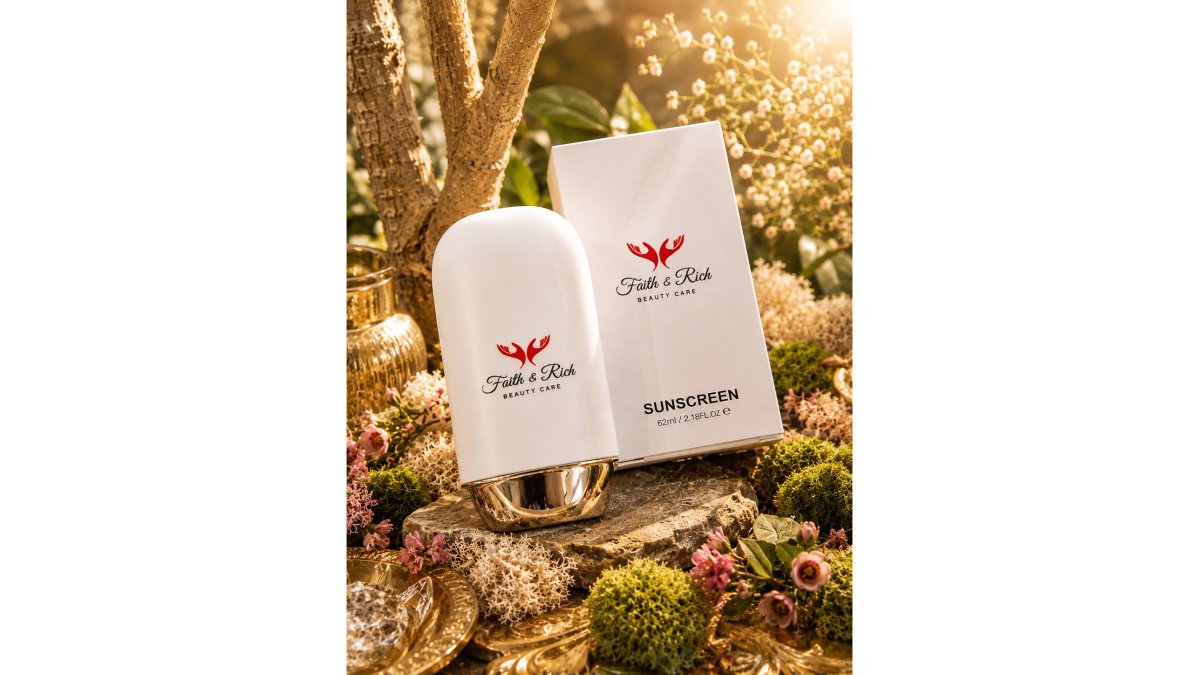
- Finish mornings with sunscreen to prevent the photoaging that undoes your progress.
- Repeat nightly, and give it at least a few weeks before judging results.
Concentration Levels: Extract vs. Pure Royal Jelly
Concentration levels vary wildly, and a tiny amount near the bottom of an ingredient list does little. The two labels you will see most often are not interchangeable:

- Royal jelly extract is diluted, often cut with water, glycerin, or alcohol. It is gentler and cheaper to formulate, but active peptide and fatty-acid content per drop is lower. It can help with hydration, but do not expect much collagen support.
- Pure royal jelly (sometimes listed as royal jelly powder or lyophilized royal jelly) is concentrated. It delivers more amino acids and 10-HDA, the signature fatty acid researchers use to gauge quality, per application, but is pricier and more prone to degradation.
Ingredient Synergy: What to Pair and What to Avoid
Ingredient synergy matters as much as concentration. Royal jelly works well alongside ingredients that reinforce the same goals, skin firmness, hydration, and dermal health:
- Hyaluronic acid and glycerin, humectants that pull water into the skin. Royal jelly supports the lipid side of the moisture barrier, so together they hold hydration from both directions.
- Vitamin C, an antioxidant that pairs logically with royal jelly's own antioxidant activity. Apply vitamin C first in the morning, let it settle, then layer royal jelly on top.
- Collagen and snail mucin, both reinforce hydration and the look of elasticity, covering collagen support, moisture, and antioxidant defense in one routine.
- Niacinamide, supports the barrier and evens tone; generally well tolerated alongside royal jelly.
What to avoid or separate:
- Strong exfoliating acids (AHA/BHA) and retinoids, these resurface skin and can leave it temporarily sensitized. Applying royal jelly on the same layer increases the chance of stinging, especially for reactive skin. A common pattern: actives at night, royal jelly in the morning, or alternate nights.
- Layering too many bee-derived products at once, if you already use propolis or bee venom, introduce royal jelly one product at a time so you can tell what is helping and what is irritating.
| Routine Step | Product Type | When | Why It Matters |
|---|---|---|---|
| Cleanse | Gentle wash | AM + PM | Preps skin to absorb actives |
| Treat | Royal jelly serum | AM + PM | Supports collagen and hydration |
| Moisturize | Face and body lotion | AM + PM | Locks in moisture, supports barrier |
| Protect | Sunscreen | AM only | Prevents photoaging and free radical damage |
Royal Jelly Side Effects on Skin: Allergies, Patch Tests, and Storage
Royal jelly side effects on skin are uncommon but real, and the biggest risk is an allergic reaction. Because it is a bee product, anyone with a known bee, honey, or pollen allergy should be cautious, and in rare cases, people with no prior bee allergy have reacted. A patch test is not optional; here is the protocol, plus storage advice.

A Step-by-Step Patch Test Protocol
Do this before the first full-face application, and repeat whenever you switch brands or formulas:
Collagen & Snail Skincare Set-Complete →
- Choose a test site. The inner forearm is standard. If you have ever reacted to a bee product, ask a clinician before testing.
- Apply a small amount, roughly the size of a pea, to a clean, dry patch. Do not rub it in aggressively.
- Leave it uncovered and undisturbed for 24 hours. Do not wash the area.
- Check for a reaction: redness, itching, burning, swelling, or a rash. If any appear, wash with cool water and stop using the product.
- If the forearm is calm after 24 hours, test again near the jawline or behind the ear, thinner, more reactive skin. Wait another 24 hours.
- Only then apply to the full face. Introduce it every other day for the first week before moving to daily use.
- Apply a small amount to your inner forearm
- Wait 24 to 48 hours and watch for redness, itching, or swelling
- If your skin stays calm, test a small area near your jawline
- Wait another 24 hours before applying to your full face
Storage and Stability: Why Freshness Changes Results
Storage and stability deserve more attention than they get. Royal jelly's proteins and its signature fatty acid, 10-HDA, degrade with heat, light, and oxygen. A formula that sat on a warm shelf for months will not perform like a fresh one, and you cannot tell by looking.
Practical storage rules:
- Keep it cool. A bathroom cabinet away from shower steam beats the windowsill. If the label says refrigerate after opening, do that.
- Keep it dark and sealed. Amber or opaque packaging protects the actives; close the cap tightly after each use.
- Watch the clock. Respect the expiration or period-after-opening symbol. Powder-based and anhydrous formulas generally last longer than water-based serums.
- Trust your senses. A change in color, separated texture, or off smell means the product has turned. Discard it.
Pros and Cons of Royal Jelly for Fine Lines and Wrinkles
Weighing the pros and cons of royal jelly for fine lines and wrinkles comes down to realistic expectations. It is a supportive ingredient, not a prescription-strength treatment.
Pros:
- Supports collagen synthesis and skin elasticity
- Delivers antioxidants that fight free radical damage
- Helps with skin hydration and barrier repair
- Fits easily into an existing routine
Cons:
- Results are gradual, not immediate
- Allergy risk requires a patch test
- Formulations vary widely in concentration
- Degrades without proper storage
Royal Jelly vs. Collagen and Snail-Based Skincare: Where Each One Wins
Royal jelly, collagen, and snail-based skincare are not competitors but teammates, each targeting a different part of the same problem, and the smartest routines combine them.
Frequently Asked Questions
What does royal jelly do to your face?
Applied topically, royal jelly delivers amino acids, fatty acids, and antioxidants that support skin hydration and the appearance of firmness. It helps reinforce the moisture barrier, which can soften the look of fine lines over time. Most people see the biggest difference in skin texture and radiance rather than deep wrinkle removal. If you want a complementary option, the FAITH & RICH Collagen & Snail Essence Face Serum ($24.99) layers well underneath a royal jelly cream for added moisture.
What are the potential side effects of using royal jelly on skin?
The most common reaction is contact irritation or an allergic response, especially in people with bee product allergies. Symptoms include redness, itching, swelling, or a rash. Always do a patch test on your inner forearm and wait 24 hours before applying to your face. If you have a known allergy to honey, beeswax, or bee pollen, skip royal jelly entirely. People with asthma should be cautious because royal jelly has been linked to rare but serious reactions.
Can royal jelly help with deep wrinkles or just fine lines?
Royal jelly shows more promise for fine lines and overall skin texture than for deep-set wrinkles. Its antioxidants and amino acids support collagen synthesis and help protect against free radical damage, which can slow the visible signs of photoaging. Deep wrinkles usually need a combination approach: consistent hydration, sun protection, and ingredients that support the moisture barrier. A daily sunscreen like the FAITH & RICH Sunscreen ($9.99) is essential because UV exposure is the main driver of deep wrinkle formation.
How do I incorporate royal jelly into my daily skincare routine?
Apply royal jelly products after cleansing and before heavier moisturizers. A typical routine: cleanse, apply a hydrating serum, follow with a royal jelly cream or essence, then seal with moisturizer. Use it morning and evening. In the morning, always finish with sunscreen. If you are new to royal jelly, start once daily for the first week to see how your skin responds, then increase to twice daily.
Is royal jelly suitable for all skin types?
Royal jelly suits most skin types, including dry and mature skin that benefits from its moisturizing and barrier-supporting properties. Oily and acne-prone skin can use it too, but lighter formulations work better to avoid clogged pores. The main exception is anyone with a bee product allergy. If your skin is sensitive, patch test first and introduce it slowly. Pairing it with a gentle, non-greasy product like the FAITH & RICH Collagen & Snail Body Lotion ($29.99) can help you gauge tolerance before committing to a full routine.


